
Watching your toddler grow between the ages of 1 and 3 can feel exciting one moment and overwhelming the next. A child who happily follows you around at 12 months may suddenly insist on doing everything alone at 2 years old, then begin showing empathy, imagination, and better self-control by age 3. These rapid changes often leave parents wondering whether tantrums, clinginess, saying “no” to everything, or testing boundaries are simply part of growing up.
The good news is that most toddler behaviors follow predictable developmental patterns. As your child’s brain, language, emotional regulation, and social skills develop, their behavior changes as well. Understanding what is typical at each stage helps you respond with confidence, set realistic expectations, and support healthy development instead of reacting out of frustration.
This guide breaks down toddler behavior development by age, covering what you can expect between 12 and 36 months, why behaviors change so quickly, practical ways to respond to challenging situations, and the signs that may indicate it’s time to speak with your pediatrician. By understanding the developmental milestones behind your toddler’s actions, you can better support their growing independence while strengthening your parent-child relationship.
What Behavior Changes Should Parents Expect Between 12 and 36 Months?
Toddler behavior changes rapidly between 12 and 36 months because children experience significant growth in brain development, language, emotional regulation, and social awareness. During this period, many behaviors that seem challenging—including tantrums, clinginess, frequent use of the word “no,” and testing limits—are typical signs that a child is learning to communicate, solve problems, and become more independent. Rather than progressing in a straight line, development often comes in bursts, with new skills appearing alongside temporary behavioral challenges.
As toddlers gain new abilities, their desire to explore usually grows faster than their ability to manage emotions. A 15-month-old may become frustrated because they cannot express their needs with words, while a 2-year-old may resist every request because they are discovering independence. By age 3, many children begin expressing feelings verbally, following simple routines, and cooperating more easily with familiar adults. These developmental shifts explain why the same parenting approach may not work equally well at every age.
Understanding the typical behaviors at each stage helps parents respond with realistic expectations instead of assuming their child is being intentionally difficult. Recognizing that behaviors are linked to developmental milestones also makes it easier to encourage positive habits while supporting emotional growth.
| Age | Common Behavioral Characteristics |
|---|---|
| 12–18 months | Explores constantly, imitates adults, forms strong attachments, communicates mainly through gestures and simple words. |
| 18–24 months | Seeks independence, says “no” frequently, experiences more tantrums, begins parallel play, rapidly expands vocabulary. |
| 24–30 months | Tests boundaries, develops pretend play, follows simple routines, expresses a wider range of emotions, becomes more curious about other children. |
| 30–36 months | Uses longer sentences, improves self-control, participates in cooperative play, solves simple problems, prepares for preschool expectations. |
Although developmental milestones provide useful guidelines, every toddler develops at an individual pace. Some children become verbal earlier, while others excel first in physical or social skills. Small differences in timing are usually normal as long as overall development continues steadily. Instead of comparing children with one another, parents should focus on whether their toddler is making consistent progress over time and becoming more capable of communicating, interacting, and managing everyday situations.
What Behaviors Are Typical at 12–18 Months?
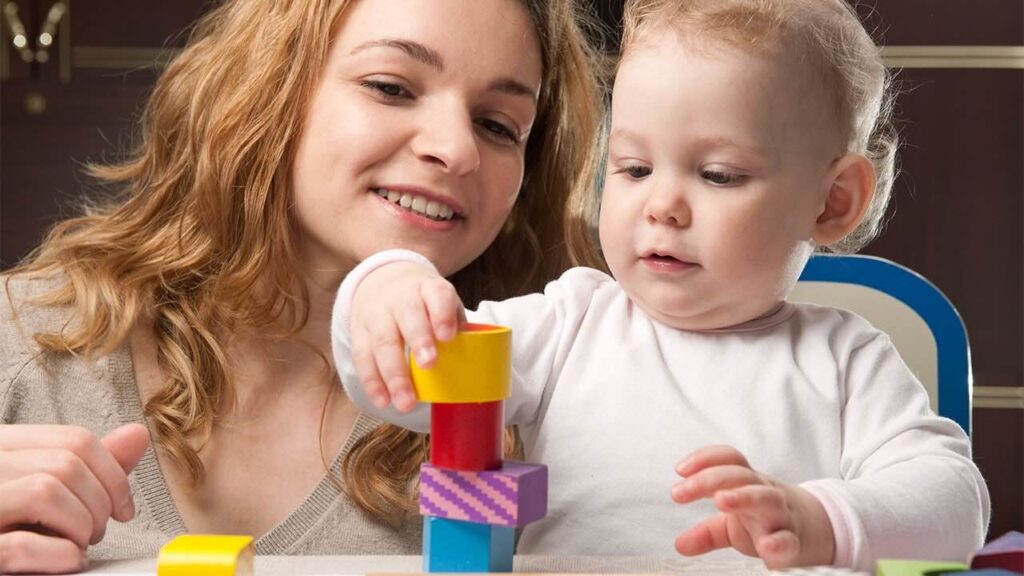
Between 12 and 18 months, toddlers become increasingly curious about the world around them. Most children spend much of the day exploring their environment by crawling, walking, climbing, opening cabinets, and picking up objects to examine how they work. This curiosity is driven by rapid cognitive development rather than intentional misbehavior. Everyday activities such as stacking blocks, pushing toys, turning pages in board books, or repeatedly dropping objects help toddlers understand cause and effect while improving their motor skills.
Strong attachment to parents and familiar caregivers is another defining behavior during this stage. Many toddlers become upset when a parent leaves the room, cling to familiar adults in new environments, or feel anxious around strangers. Separation anxiety usually peaks during the second year of life because children understand that a parent exists even when out of sight, but they have not yet developed confidence that the parent will always return. Maintaining predictable routines and offering calm reassurance can help toddlers feel secure during transitions.
Communication skills also develop rapidly between 12 and 18 months. Many toddlers begin saying their first meaningful words, following simple one-step directions, pointing to objects they want, and using gestures such as waving or shaking their head. Because vocabulary is still limited, frustration is common when children cannot express their needs clearly. Crying, whining, or throwing objects often reflects communication difficulties rather than defiance.
Social development at this age focuses primarily on interactions with trusted adults instead of other children. Toddlers enjoy copying household activities, clapping after completing a task, and seeking praise from parents. Although they may play near other children, they usually play independently instead of sharing toys or taking turns. This behavior is developmentally appropriate because cooperative play typically develops later.
Parents can best support development during this stage by creating a safe environment for exploration while establishing simple, consistent boundaries. Reading together every day, talking through daily activities, encouraging self-feeding, and allowing toddlers to practice simple tasks such as putting toys into a basket all strengthen language, confidence, and independence. Responding calmly to frustration instead of immediately solving every problem also helps children begin developing resilience and early problem-solving skills.
What Behaviors Are Typical at 18–24 Months?
Between 18 and 24 months, toddlers become noticeably more independent while still relying heavily on their parents for comfort and guidance. One of the biggest behavioral changes during this stage is a strong desire to make their own decisions. Children often insist on feeding themselves, choosing their clothes, walking instead of being carried, or completing simple tasks without help. Although these attempts may slow daily routines, they are important signs that a toddler is developing confidence, autonomy, and problem-solving skills.
Temper tantrums become much more common during this stage because emotional development cannot yet keep up with growing independence. A toddler may know exactly what they want but lack the language, patience, or emotional control to express it appropriately. Frustration can quickly lead to crying, screaming, kicking, or throwing objects, especially when they are tired, hungry, or overstimulated. While tantrums can be stressful for parents, they are a normal part of learning emotional regulation and typically become less frequent as communication skills improve.
The word “no” often becomes a favorite during this period. Refusing instructions, resisting diaper changes, or rejecting foods are common ways toddlers test their independence and discover that they can influence their environment. This behavior is usually less about disobedience and more about practicing decision-making. Offering two acceptable choices, such as choosing between two shirts or two healthy snacks, allows children to feel a sense of control while helping parents maintain appropriate boundaries.
Language development accelerates rapidly between 18 and 24 months, and many toddlers begin combining two-word phrases, following simple instructions, and identifying familiar people or objects. As vocabulary expands, children rely less on crying to communicate their needs, although frustration may still occur when they cannot find the right words. Reading books together, naming everyday objects, and having simple conversations throughout the day encourage language growth while reducing communication-related behavior problems.
Socially, toddlers begin showing greater interest in other children but still spend most of their time in parallel play, where they play alongside others without fully interacting. They may imitate another child’s actions, observe how others use toys, or briefly exchange objects before returning to independent play. Sharing and taking turns remain difficult because empathy and impulse control are still developing.
Parents can support healthy behavior during this stage by responding consistently and calmly to challenging situations. Simple rules, predictable routines, and positive reinforcement help toddlers understand expectations without creating unnecessary power struggles. Praising cooperative behavior, acknowledging emotions with phrases such as “You’re upset because playtime is over,” and redirecting attention before frustration escalates are often more effective than punishment. These approaches help children build emotional regulation while maintaining a secure relationship with their caregivers.
What Behaviors Are Typical at 24–30 Months?
Between 24 and 30 months, toddlers become more confident, imaginative, and determined to do things their own way. As language, thinking, and motor skills improve, children begin exploring the world with greater independence while continuing to test the limits set by parents. This stage often feels more interactive because toddlers can communicate better, but it also introduces new behavioral challenges as they learn how rules, emotions, and relationships work.
Boundary testing becomes one of the most noticeable behaviors during this period. Toddlers may ignore instructions they previously followed, repeat behaviors after being told to stop, or deliberately observe how adults react to their actions. These moments are not usually attempts to be difficult. Instead, children are learning about cause and effect, consistency, and social expectations. When parents respond with calm, predictable consequences instead of changing the rules from one situation to another, toddlers gradually understand what behaviors are acceptable.
Pretend play expands rapidly between the ages of 2 and 2½. Many toddlers begin feeding a doll, pretending to cook, driving a toy car to imaginary places, or using everyday objects as something else. This type of play reflects important cognitive development because children are learning symbolic thinking, creativity, and early problem-solving. Pretend play also helps toddlers practice social situations, understand emotions, and build language skills as they narrate simple stories during playtime.
Emotional awareness becomes more sophisticated, although self-control is still developing. Toddlers start recognizing basic feelings such as happiness, sadness, excitement, and frustration in themselves and others. Some children may offer a hug when another child cries or use simple phrases like “I’m mad” instead of immediately crying. However, strong emotions can still lead to tantrums because the part of the brain responsible for impulse control is far from fully developed. Parents should expect emotional ups and downs while continuing to model calm behavior and teach simple coping strategies.
Social interactions also become more meaningful during this stage. While parallel play remains common, toddlers begin showing interest in short periods of cooperative play, such as rolling a ball back and forth, building blocks together, or taking turns during simple games with adult guidance. Conflicts over toys are still frequent because sharing and patience require skills that continue developing throughout the preschool years.
Parents can encourage healthy behavior by offering opportunities for independent decision-making within safe limits. Allowing toddlers to choose between two outfits, help set the table, clean up toys, or participate in simple daily routines strengthens confidence and responsibility. Consistent routines, clear expectations, and frequent praise for positive behavior continue to be more effective than punishment, helping children develop self-regulation while maintaining a secure relationship with their caregivers.
What Behaviors Are Typical at 30–36 Months?
Between 30 and 36 months, toddlers become more capable of communicating, solving simple problems, and participating in daily routines. While they still need guidance from adults, many children begin showing greater independence and emotional maturity than they did just a few months earlier. Parents often notice fewer frustration-driven outbursts because toddlers can express their needs with longer sentences and better understand simple explanations.
Language development becomes one of the most noticeable changes during this stage. Many 3-year-olds can speak in short conversations, ask frequent questions, describe recent experiences, and follow two- or three-step instructions. Their growing vocabulary allows them to explain what they want, talk about their feelings, and negotiate simple situations instead of relying only on crying or tantrums. Although pronunciation and grammar are still developing, communication becomes much easier for both children and parents.
Social skills also improve significantly as toddlers become more interested in playing with other children. While independent and parallel play remain common, many children begin participating in simple cooperative activities such as building with blocks together, pretending to run a grocery store, or taking turns during games with adult support. They also become more aware of other people’s emotions and may comfort a crying friend, share toys voluntarily on occasion, or imitate positive social behaviors they observe at home.
Self-control gradually strengthens during this period, although it is far from fully developed. Many toddlers can wait briefly for a turn, recover more quickly after disappointment, and follow familiar household rules with fewer reminders. They may begin using words to express emotions by saying they are angry, scared, or excited instead of immediately reacting physically. However, challenging behaviors can still occur when children are tired, hungry, overwhelmed, or experiencing major changes in routine.
Imagination becomes increasingly sophisticated between 30 and 36 months. Pretend play often develops into short stories in which toddlers assign roles, invent characters, and recreate everyday experiences such as visiting the doctor, cooking dinner, or caring for a stuffed animal. These activities strengthen language development, creativity, emotional understanding, and early problem-solving skills while giving children opportunities to process real-life situations through play.
Many toddlers also begin developing the skills needed for preschool. They become more comfortable following routines, separating from parents for short periods, cleaning up after activities, and participating in simple group experiences. Although every child reaches these milestones at a different pace, growing curiosity, improving communication, and increasing independence are all positive signs that a toddler is preparing for more structured learning environments.
Parents can continue supporting healthy behavior by encouraging independence while providing consistent expectations. Offering age-appropriate responsibilities, reading together every day, allowing plenty of time for imaginative play, and acknowledging positive behavior help children build confidence and self-regulation. Maintaining predictable routines for meals, sleep, and play also provides the security toddlers need as they continue developing emotionally, socially, and cognitively.
How Should Parents Respond to Challenging Toddler Behaviors?
Responding calmly and consistently is one of the most effective ways to guide toddler behavior. Challenging behaviors are usually driven by immature emotional regulation, limited communication skills, fatigue, hunger, or a desire for independence rather than intentional defiance. Viewing behavior as a form of communication helps parents address the underlying need instead of focusing only on stopping the behavior.
When tantrums happen, the priority should be helping your toddler feel safe rather than trying to reason with them. Most toddlers cannot process explanations while they are overwhelmed by emotions. Staying nearby, speaking in a calm voice, and acknowledging their feelings with simple statements such as “You’re upset because you wanted to keep playing” helps children feel understood. Once they have calmed down, parents can briefly explain the limit and redirect their attention to another activity. Avoid giving in to unreasonable demands during a tantrum, as this can unintentionally reinforce the behavior.
Clear and consistent boundaries help toddlers understand what is expected. Rules should be simple, age-appropriate, and applied consistently by all caregivers. Instead of giving long explanations, use short, positive instructions such as “Walk inside,” “Use gentle hands,” or “Toys stay on the floor.” When limits remain predictable, toddlers gradually learn what behaviors are acceptable and feel more secure because they know what to expect.
Offering limited choices is another effective strategy for reducing power struggles. Toddlers crave independence, and allowing them to make simple decisions satisfies this developmental need while keeping parents in control. For example, asking, “Would you like the blue cup or the green cup?” or “Do you want to brush your teeth before or after putting on pajamas?” encourages cooperation without compromising important routines.
Positive reinforcement is generally more effective than punishment for encouraging appropriate behavior. Toddlers repeat behaviors that receive attention, especially when adults notice and praise positive actions. Specific praise such as “You put your toys away all by yourself” or “Thank you for using gentle hands with your sister” helps children understand exactly which behaviors should continue. Small moments of encouragement throughout the day often have a greater impact than correcting unwanted behavior alone.
Predictable daily routines also reduce many common behavior problems. Regular meal times, naps, bedtime routines, outdoor play, and quiet activities create a sense of security that helps toddlers manage transitions more easily. Many tantrums occur when children are overtired, hungry, or surprised by sudden changes. Giving simple warnings before transitions, such as “Five more minutes, then it’s time to clean up,” allows toddlers to prepare mentally and often leads to smoother cooperation.
Parents should also remember that learning self-control takes years, not weeks. Even after a toddler understands a rule, they will need frequent reminders because the parts of the brain responsible for impulse control and emotional regulation continue developing throughout early childhood. Responding with patience, empathy, and consistency teaches children how to regulate their own emotions over time while strengthening the trust that forms the foundation of a healthy parent-child relationship.
Which Toddler Behaviors Are Normal and Which May Be Signs of Concern?
Many toddler behaviors that worry parents are actually expected parts of healthy development. Tantrums, refusing to share, saying “no” frequently, testing boundaries, separation anxiety, shyness around unfamiliar people, and short attention spans are all common between 12 and 36 months. These behaviors reflect a child’s growing independence, developing emotions, and limited ability to control impulses. As language and self-regulation improve, most children gradually become better at expressing their needs and managing frustration.
Behavior should always be considered in the context of a child’s overall development. For example, a toddler who occasionally has tantrums but continues learning new words, enjoys interacting with caregivers, explores their environment, and reaches other developmental milestones is typically progressing as expected. Individual temperament also plays an important role. Some toddlers are naturally cautious and quiet, while others are highly active, outgoing, or emotionally expressive. These personality differences alone are not signs of developmental problems.
Parents should pay closer attention when behaviors are persistent, unusually intense, or accompanied by delays in other developmental areas. A toddler who rarely makes eye contact, shows little interest in interacting with caregivers, loses previously acquired language or social skills, or does not respond consistently to their name may benefit from a developmental evaluation. Likewise, extremely aggressive behavior, repetitive movements that interfere with daily activities, or frequent self-injury should be discussed with a healthcare professional rather than dismissed as a normal phase.
Language and communication delays can also affect behavior. Toddlers who struggle to express their needs often become frustrated more easily because they cannot communicate effectively. Frequent tantrums alone do not necessarily indicate a developmental concern, but tantrums combined with limited speech, difficulty understanding simple instructions, or a lack of gestures such as pointing or waving deserve further attention. Early intervention can significantly improve outcomes when communication delays are identified at a young age.
Parents know their child better than anyone else, so trusting your instincts is important. If your toddler’s behavior changes suddenly, seems very different from children of a similar age, or consistently interferes with eating, sleeping, learning, or daily family life, it is reasonable to discuss those concerns with your pediatrician. Seeking professional advice does not automatically mean something is wrong. In many cases, parents receive reassurance that development is on track, while children who need additional support can begin receiving services as early as possible.
Remember that developmental milestones describe typical age ranges rather than exact deadlines. Some toddlers speak earlier, while others develop motor or social skills first. Progress is rarely perfectly even, and brief periods of slower development are common. Looking at your child’s overall pattern of growth over time is generally more helpful than focusing on a single behavior or comparing them with other children.
What Daily Habits Support Healthy Behavior Development?
Healthy behavior development begins with consistent daily routines that help toddlers feel safe and know what to expect. Predictable schedules for waking up, eating, playing, napping, and going to bed reduce uncertainty and make transitions easier. When children know what comes next, they are less likely to become overwhelmed or frustrated by unexpected changes. Consistency also supports emotional regulation because toddlers thrive in environments where daily life feels stable and predictable.
Adequate sleep is one of the most important factors influencing toddler behavior. Overtired children are more likely to experience tantrums, have difficulty following directions, and struggle with emotional control. Most toddlers between 1 and 2 years old need about 11 to 14 hours of total sleep each day, including naps, while many 3-year-olds continue to benefit from a daytime nap. Establishing a calming bedtime routine with activities such as reading a book or taking a bath helps children settle more easily and improves sleep quality.
Good nutrition also plays a significant role in behavior. Toddlers need regular meals and healthy snacks to maintain steady energy levels throughout the day. Long gaps between meals can increase irritability and make emotional outbursts more likely. Offering a balanced variety of fruits, vegetables, whole grains, protein, and dairy while limiting sugary drinks and highly processed snacks supports both physical growth and brain development.
Active play gives toddlers opportunities to release energy, strengthen motor skills, and explore their environment. Daily outdoor activities such as walking, climbing, running, or playing at a playground improve coordination while reducing restlessness indoors. Physical activity also supports healthy sleep patterns and provides natural opportunities for children to practice problem-solving, confidence, and resilience.
Reading and talking with your toddler every day strengthen language development, which can reduce frustration caused by limited communication. Naming objects, asking simple questions, singing songs, and describing everyday activities expose children to new vocabulary in meaningful situations. As language skills improve, toddlers become better able to express their needs, ask for help, and describe their emotions without relying solely on crying or tantrums.
Independent play is another valuable part of healthy development. Allowing toddlers to spend short periods exploring toys, puzzles, blocks, or pretend play without constant adult direction encourages creativity, concentration, and confidence. Parents do not need to entertain children every moment of the day. Giving toddlers opportunities to solve simple problems independently helps them develop persistence and self-reliance.
Screen time should be balanced with hands-on experiences and face-to-face interaction. Activities such as building with blocks, drawing, dancing, playing outdoors, and talking with family members provide richer opportunities for language, social, and emotional development than passive screen viewing. When screens are used, choosing high-quality educational content and watching together allows parents to reinforce learning through conversation and shared experiences.
Frequently Asked Questions About Toddler Behavior by Age
Is it normal for toddlers to have tantrums every day?
Yes. Frequent tantrums are common between 18 and 36 months because toddlers are still learning how to regulate emotions and communicate effectively. As long as your child continues reaching developmental milestones and tantrums gradually become easier to manage with age, they are usually considered a normal part of development.
Why does my toddler say “no” to everything?
Saying “no” is a natural way for toddlers to practice independence. Children between 18 and 30 months are learning that they can make choices and influence their surroundings. Offering limited choices instead of asking yes-or-no questions often reduces unnecessary power struggles.
When should my toddler start playing with other children?
Most toddlers begin with parallel play, where they play alongside other children without much interaction. Cooperative play usually develops gradually between ages 3 and 4 as language, empathy, and self-control improve. A preference for playing alone during the toddler years is often developmentally appropriate.
How can I tell whether my toddler’s behavior is age-appropriate?
Consider your child’s overall development instead of focusing on a single behavior. Occasional tantrums, separation anxiety, boundary testing, and short attention spans are common during the toddler years. Consistent progress in language, movement, social interaction, and learning is generally a better indicator of healthy development than comparing your child with others.
When should I talk to a pediatrician about my toddler’s behavior?
Consult your pediatrician if your toddler loses previously acquired skills, rarely makes eye contact, does not respond to their name, has very limited communication, shows persistent aggressive or self-injurious behavior, or if behavioral concerns interfere with daily life. Early evaluation can provide reassurance when development is typical and allow timely support if additional assessment is needed.