What Should a Baby Wear to Sleep at 75 Degrees?

What Should A Baby Wear To Sleep At 75 Degrees

At 75°F (about 24°C), a baby should generally wear lightweight, breathable sleepwear that prevents overheating while keeping the body comfortably covered. A practical starting point is a short-sleeve cotton bodysuit with a lightweight sleep sack, or lightweight pajamas without additional heavy layers. The exact combination depends on the sleep sack’s TOG rating, the thickness of … Read more

Can an 8-Month-Old Drink Water? How Much Is Safe?

Can an 8-Month-Old Drink Water

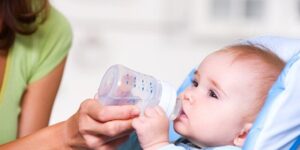
An 8-month-old can drink small amounts of water alongside breast milk or infant formula and solid foods. At this age, babies are typically eating complementary foods and learning new drinking skills, so water can become part of their daily feeding routine. However, water should complement rather than replace breast milk or formula, which remain important … Read more

Why Is My 13-Month-Old So Fussy? 9 Common Causes

Why Is My 13-Month-Old So Fussy

A 13-month-old can become unusually fussy because several developmental and physical changes are happening at the same time. Common causes include growing independence, limited communication skills, separation anxiety, teething, tiredness, hunger, overstimulation, and changes in routine. At this age, your toddler may know exactly what they want but still lack the words or skills to … Read more

What Is the Amoxicillin Dosage for Strep Throat?

What Is The Amoxicillin Dosage For Strep Throat

Amoxicillin dosage for strep throat in children is based primarily on body weight, the prescribed dosing schedule, and the medication formulation. Pediatric dosing is commonly expressed in milligrams per kilogram (mg/kg), while liquid amoxicillin is dispensed in specific concentrations that determine how many milliliters (mL) are given per dose. A child’s prescribed amount may therefore … Read more

Why Does My Baby Kick His Legs So Much? 8 Reasons

Why Does My Baby Kick His Legs So Much

Babies kick their legs frequently for 8 main reasons: motor development, excitement, play and exploration, hunger, tiredness, gas or digestive discomfort, overstimulation, and physical discomfort. In most cases, frequent kicking is a normal part of infancy. Babies move their legs as they develop muscle strength and motor control, explore how their bodies work, and react … Read more