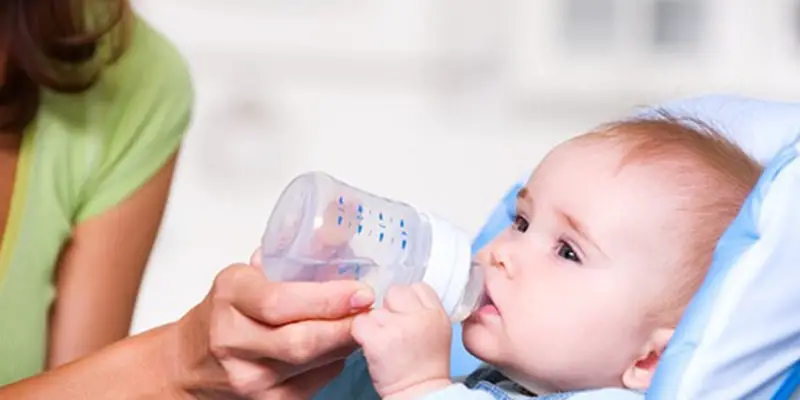
A 2-year-old should generally drink about 1–4 cups (8–32 ounces) of plain water per day, depending on how much milk and other fluids they consume. The American Academy of Pediatrics also notes that children ages 1–3 need about 4 cups of total fluids each day, including water and milk. Individual needs vary with activity level, weather, diet, and other factors.
That does not mean your toddler needs to finish four cups of plain water every day. Milk contributes to daily fluid intake, and foods with a high water content also support hydration. For children ages 2–5, plain water and plain milk are the recommended everyday beverage choices.
For parents, the more useful goal is to look at the whole day rather than count every sip. How much milk your child drinks, what they eat, how active they are, and whether the weather is hot can all change how much water they want and need. This guide explains how much water to offer your 2-year-old, what counts toward hydration, when they may need more fluids, and the signs that can help you tell whether they are drinking enough.
How Much Water Should a 2 Year Old Drink Each Day?
A 2-year-old generally needs about 1–4 cups (8–32 ounces) of plain water per day, with about 4 cups of total fluids from water and milk being a useful daily reference for children ages 1–3. The exact amount of plain water depends on how much fluid your toddler gets from milk, food, and other sources during the day.
Plain water and total fluid intake are not the same thing. If your child drinks milk with meals, that milk contributes fluid toward hydration. Foods also contain water, particularly fruits, vegetables, yogurt, and soups. This means a toddler does not need to obtain every ounce of fluid by drinking plain water.
For example, a 2-year-old who regularly drinks milk and eats water-rich foods may naturally drink less plain water than a toddler who eats more dry foods. The important point is to consider the child’s overall fluid intake rather than treating a specific number of cups of plain water as a rigid daily target.
Water needs can also change from one day to another. A toddler who spends an afternoon running outside in warm weather will generally need more opportunities to drink than on a quiet day indoors. Fever, vomiting, diarrhea, and other conditions that increase fluid loss can also change hydration needs substantially.
For everyday hydration, make plain water readily available rather than trying to make your child drink a large amount at once. Offering water regularly with meals, snacks, and active play gives a toddler several opportunities to drink according to thirst while building water into their normal daily routine.
Does Milk Count Toward a 2 Year Old’s Daily Fluid Intake?
Yes. Milk counts toward a 2-year-old’s total daily fluid intake because milk is predominantly water. However, milk serves a different purpose from plain water because it also provides calories and nutrients, including protein, fat, calcium, and vitamin D when the milk is fortified.
For children ages 2–5, plain water and plain milk are the main beverages recommended for everyday drinking. Water provides hydration without adding calories or sugar, while milk contributes both fluid and nutrition. For this reason, parents can consider both beverages when looking at their toddler’s overall hydration without treating them as nutritionally interchangeable.
The amount of milk also matters. Children ages 2–5 are generally recommended to have about 16–24 ounces (2–3 cups) of milk per day, although a child’s overall diet needs to be considered. Milk consumed with breakfast, lunch, or dinner contributes to fluid intake, so a toddler drinking milk regularly may not want the same amount of plain water as a child who drinks less milk.
More milk is not necessarily better. A toddler who fills up on milk may have less appetite for foods at meals and snacks. Milk should therefore be part of a varied diet rather than becoming the child’s primary source of both calories and fluids.
A practical approach is to offer milk at planned times, such as meals, while keeping plain water accessible throughout the day. For example, your child might have milk with breakfast and dinner while drinking water with snacks and during play. The exact pattern does not need to be identical every day; the goal is to make water a normal beverage while allowing milk to fulfill its nutritional role.
Does Water From Food Count Toward a 2 Year Old’s Fluid Intake?
Yes. Water from food contributes to a 2-year-old’s overall hydration, so not all of your toddler’s daily water needs have to come from drinks. Foods vary considerably in water content, which means two children who drink the same amount may still receive different amounts of total water from their diets.
Fruits and vegetables are useful sources of water because many contain a high proportion of fluid. Watermelon, strawberries, oranges, cucumber, tomatoes, and zucchini are examples of foods that provide both water and nutrients. Other foods, including yogurt and soups, can also contribute meaningful amounts of fluid. A toddler who regularly eats these foods may obtain more water from meals and snacks than one whose diet consists mainly of dry foods such as crackers, bread, or cereal.
Food-derived water should complement rather than replace regular access to drinks. A 2-year-old cannot reliably meet hydration needs by eating water-rich foods alone, especially during periods of greater fluid loss. Plain water should remain readily available throughout the day, while milk can contribute both fluid and nutrients as part of the child’s normal diet.
This distinction also explains why counting only cups of water can give parents an incomplete picture of hydration. A child who drinks slightly less plain water but consumes milk and water-rich foods may still receive adequate fluids. Looking at beverages, foods, activity, and hydration signs together provides a more useful picture than focusing on one number alone.
Does Every 2 Year Old Need the Same Amount of Water?
No. Every 2-year-old does not need exactly the same amount of water because fluid requirements change with body size, diet, physical activity, environmental temperature, and health. Daily intake recommendations provide a reference point rather than a fixed amount that every toddler must consume regardless of circumstances.
Body size is one factor because larger children generally have greater total fluid requirements than smaller children of the same age. Diet also changes the amount of plain water a toddler needs to drink. A child who consumes milk, fruit, vegetables, yogurt, and soups receives more fluid through food and beverages than a child eating a diet with less moisture.
Physical activity and temperature affect fluid needs by changing water loss. An active toddler produces more body heat and may lose more fluid through sweating, particularly during outdoor play in warm conditions. A quiet day spent indoors in a comfortable temperature creates different hydration demands from an afternoon of running and playing outside.
Health can create an even larger change in fluid requirements. Fever can increase fluid loss, while vomiting and diarrhea can cause the body to lose both water and electrolytes. These situations should not be managed simply by forcing a toddler to drink a predetermined number of cups of plain water. A child who is sick may require a different hydration approach based on the symptoms and their severity.
For parents, the practical goal is therefore to use daily recommendations as a baseline and adjust drinking opportunities according to the child’s circumstances. Changes in thirst, urination, activity, diet, weather, and illness provide additional context for deciding whether your toddler may need more fluids.
When Does a 2 Year Old Need More Water?
A 2-year-old generally needs more fluids when heat, physical activity, or illness increases fluid loss. These situations change the balance between the water entering and leaving the body, so your toddler may need more frequent opportunities to drink than during an ordinary day.
Does a 2 Year Old Need More Water in Hot Weather?
A 2-year-old may need more water in hot weather because the body loses additional fluid while regulating body temperature. Toddlers can also become absorbed in outdoor play and may not stop an activity specifically to ask for a drink.
Offer water regularly during warm-weather activities instead of waiting until your child appears very thirsty. Keeping a cup or bottle of water within easy reach during outdoor play makes drinking easier and creates natural hydration breaks. Water-rich foods, such as watermelon, oranges, strawberries, and cucumber, can provide additional fluid at meals and snacks but should not replace access to drinking water.
Pay closer attention when heat is combined with prolonged physical activity. A toddler playing actively outdoors on a hot afternoon has a different hydration requirement from the same child sitting indoors in an air-conditioned room. The combination of temperature and activity is therefore more useful for parents to consider than temperature alone.
Does a 2 Year Old Need More Water During Physical Activity?
A 2-year-old may need additional water during active play because movement increases body heat and can increase fluid loss through sweating. Running, climbing, playground activities, and other energetic play can therefore increase the need for fluids, particularly when these activities take place outdoors.
Make water available before, during, and after active play rather than expecting your toddler to drink a large volume afterward. Frequent opportunities are more practical for a young child and help make drinking water part of the activity routine. For example, offering a few opportunities to drink during a playground visit is more useful than relying on one large drink when the child gets home.
The amount needed will depend on the duration and intensity of the activity as well as the weather. There is no need to turn ordinary toddler play into a strict drinking schedule. Instead, increase access to water when your child is more active and monitor their overall hydration across the day.
Does a 2 Year Old Need More Fluids When Sick?
A sick 2-year-old may need more fluids when fever, vomiting, or diarrhea increases water loss or when reduced eating decreases the amount of fluid normally obtained from food. Illness therefore requires more attention to hydration than an ordinary change in daily water intake.
Fever can increase fluid requirements, while repeated vomiting or diarrhea can cause more rapid losses of both water and electrolytes. In these situations, plain water is not always the only fluid consideration. Replacing substantial fluid and electrolyte losses is different from routine daily hydration, so parents should follow appropriate pediatric guidance rather than simply giving increasingly large amounts of plain water.
Offer fluids in manageable amounts when your toddler is willing and able to drink. A child who is having difficulty keeping fluids down may tolerate smaller, more frequent amounts better than a large drink at once. Monitor the child’s urination, mouth, tears, energy, and behavior because changes in these signs can provide additional information about hydration.
Seek medical advice when your child cannot keep fluids down, has persistent vomiting or diarrhea, urinates substantially less than usual, becomes unusually sleepy or difficult to wake, or shows other concerning signs of dehydration. Illness-related dehydration can progress more quickly than ordinary thirst, so severe or worsening symptoms should not be managed solely by trying to increase water intake at home.
How Should You Spread a 2 Year Old’s Water Intake Throughout the Day?
Spread a 2-year-old’s water intake across the day by offering water regularly with meals, snacks, and active play instead of trying to meet the child’s fluid needs in one or two large drinks. This approach gives your toddler repeated opportunities to respond to thirst and makes water part of a normal daily routine.
Start by making water easy to access. You can offer it after your toddler wakes up, with breakfast or a morning snack, around lunchtime, during afternoon play, with an afternoon snack, and around dinner. Milk can be offered at planned meals or other appropriate times, while plain water remains available between them. The purpose is not to require your child to finish a specific amount every time you offer a drink. Regular access makes it easier for their total intake to accumulate naturally throughout the day.
Meals and snacks are useful hydration opportunities because toddlers already stop what they are doing to eat. Offering water with food also establishes plain water as a normal everyday beverage. If milk is served with a meal, water can still be available at other points in the day rather than trying to provide both drinks in large quantities at the same sitting.
Active play requires additional attention. Keep water nearby during playground visits, walks, outdoor games, and other energetic activities, especially in warm weather. For example, your toddler can drink before going outside, have access to water during play, and be offered another drink afterward. This pattern responds to increased fluid needs without creating a rigid drinking schedule.
Avoid relying on thirst as the only reminder to offer water. A 2-year-old may be focused on playing, eating, or exploring and may not consistently stop to request a drink. Parents can provide regular opportunities while allowing the child to decide how much to drink at each opportunity.
How Can You Tell If a 2 Year Old Is Drinking Enough Water?
A 2-year-old who is getting enough fluids should generally urinate regularly, have a moist mouth, produce tears when crying, and maintain their usual level of energy and alertness. No single sign proves that a toddler is perfectly hydrated, so look at several signs together and compare them with what is normal for your child.
Urination is one practical indicator parents can observe. A toddler who continues to wet diapers or use the toilet at their usual frequency is receiving and retaining fluid. Urinating noticeably less often than normal deserves more attention, particularly when it occurs alongside illness, poor fluid intake, vomiting, or diarrhea.
Urine appearance can provide additional context, but it should not be treated as a precise hydration test on its own. Urine that becomes noticeably darker and more concentrated can accompany lower fluid intake. Food, vitamins, medications, and the time since the child’s last urination can also affect urine color, so consider it alongside other hydration signs.
Your toddler’s mouth, tears, and behavior provide further clues. A moist mouth and normal tear production are reassuring signs, while a dry mouth or fewer tears can occur as dehydration develops. A well-hydrated toddler should also generally behave like themselves, although normal tiredness, mood, sleep, and illness can affect activity independently of hydration.
Thirst is another useful signal, but parents do not need to wait for intense thirst before offering water. Keeping water accessible throughout the day allows a child to drink as needed. This is particularly useful during active play or warm weather, when fluid needs can increase.
The most useful approach is to look for a pattern. Normal urination, a moist mouth, tears, typical energy, and regular opportunities to drink together provide a more complete picture than counting every ounce of plain water your toddler consumes.
What Are the Signs of Dehydration in a 2 Year Old?
Signs of dehydration in a 2-year-old can include urinating less than usual, a dry mouth, fewer tears when crying, increased thirst, unusual tiredness, and changes in behavior or alertness. The signs become more concerning when several appear together or when fluid loss from fever, vomiting, or diarrhea is continuing.
Early dehydration may first appear as increased thirst or a change in urination. Parents may notice fewer wet diapers, fewer trips to the toilet, or urine that appears more concentrated than usual. The child’s mouth and lips may also become drier as the body has less fluid available.
Behavior can change as dehydration becomes more significant. A toddler may become unusually irritable, tired, less interested in normal activities, or less responsive than usual. These changes require more attention when they occur together with reduced urination, difficulty drinking, repeated vomiting, diarrhea, or fever.
The cause of fluid loss matters as much as the amount of plain water the child has consumed. A toddler with repeated diarrhea, for example, can lose both water and electrolytes. Giving increasingly large quantities of plain water does not address every aspect of this loss, which is why illness-related dehydration requires a different approach from simply encouraging a healthy child to drink more water.
Medical attention is important when dehydration signs are severe, worsening, or accompanied by an inability to replace lost fluids. Seek prompt medical guidance if your toddler is unusually sleepy or difficult to wake, cannot keep fluids down, urinates much less than normal, or shows other significant changes in responsiveness or condition. Parents should also contact their child’s healthcare professional when they are unsure whether a sick toddler is receiving enough fluid.
For everyday hydration, the goal is to notice changes before they become severe. Knowing your child’s normal drinking, urination, and activity patterns makes it easier to recognize when something is different and respond appropriately.
What Should You Do If Your 2 Year Old Refuses to Drink Water?
Offer water regularly without forcing your 2-year-old to drink, and make plain water easy to access throughout the day. A toddler may refuse water because they are not thirsty at that moment, prefer another beverage, dislike the cup being used, or are too focused on playing to stop for a drink. Repeated, low-pressure opportunities can make water a familiar part of the daily routine.
Start with the drinking setup. An age-appropriate open cup or straw cup may be more appealing to a toddler than a cup they find difficult to use. Keep the cup within reach during meals, snacks, and play when appropriate. The goal is to remove practical barriers to drinking rather than make each serving of water into something the child must finish.
Parents can also model the behavior they want their toddler to learn. Drink plain water during meals and throughout the day so your child regularly sees water being chosen as an everyday beverage. At age 2, routines and imitation can be more useful than repeatedly telling a child that they need to drink.
Water-rich foods can supplement fluid intake when a toddler is reluctant to drink. Watermelon, oranges, strawberries, cucumber, yogurt, and soups are examples of foods that provide fluid as part of the diet. These foods support hydration, but they should not be used as a complete replacement for offering appropriate beverages.
Avoid solving persistent water refusal by making sweet drinks continuously available. A toddler who learns that refusing plain water leads to a sweeter alternative may become increasingly reluctant to choose water. Keeping water familiar and regularly accessible supports a simpler long-term drinking pattern.
Pay more attention when refusal occurs alongside illness or signs of dehydration. A healthy toddler who skips a few opportunities to drink is different from a child who refuses fluids while vomiting, has diarrhea, urinates much less than usual, or becomes unusually tired. Contact your child’s healthcare professional when poor fluid intake is persistent or accompanied by concerning symptoms.
What Should a 2 Year Old Drink Besides Water?
Plain milk is the main everyday beverage to offer a 2-year-old besides plain water. Water provides hydration without added sugar or calories, while milk contributes fluid together with nutrients such as protein, calcium, and vitamin D when fortified. Most other beverages are not necessary for routine toddler hydration.
The distinction matters because beverages can affect more than thirst. Drinks containing calories can influence appetite, while sweet drinks can increase a child’s exposure to sugar and encourage a preference for sweet flavors. A toddler who has continuous access to caloric or sweetened drinks may also consume them between meals when plain water would otherwise be sufficient.
For a practical routine, use water as the default drink throughout the day and provide milk in amounts appropriate for the child’s diet. This gives each beverage a clear role: water primarily supports hydration, while milk contributes both hydration and nutrition.
Should a 2 Year Old Drink Juice?
A 2-year-old does not need fruit juice for hydration when plain water, milk, and whole fruit are available. Juice can provide fluid, but it is not nutritionally equivalent to eating whole fruit because whole fruit also provides intact dietary fiber and requires chewing.
The American Academy of Pediatrics recommends limiting juice for children ages 1–3 rather than treating it as an unrestricted everyday beverage. If juice is offered, choose 100% fruit juice and keep the amount within age-appropriate guidance instead of using juice whenever your toddler refuses water.
Whole fruit is generally the more useful option when choosing between fruit and juice. For example, orange slices, watermelon, or strawberries contribute water while also providing the structure and fiber of whole food. Water can then remain the primary drink for thirst.
Should a 2 Year Old Drink Sports Drinks or Flavored Drinks?
A healthy 2-year-old generally does not need sports drinks or sweetened flavored drinks for everyday hydration. Normal toddler activities do not create the same hydration demands as prolonged endurance exercise, and plain water is the simpler choice for routine thirst.
Many flavored beverages also introduce added sugars or reinforce a preference for sweet-tasting drinks. Regularly offering them instead of water can make it harder to establish plain water as the default beverage. A toddler playing at home, visiting a playground, or participating in ordinary active play can generally be offered water rather than a sports drink.
Illness is a separate context. Vomiting or diarrhea can result in losses of water and electrolytes, but that does not mean a standard sports drink should automatically be given to a 2-year-old. Parents should follow pediatric guidance on appropriate fluid replacement when a young child is losing significant fluid through illness.
Can a 2 Year Old Drink Too Much Water?
Yes. A 2-year-old can drink too much water, although excessive water intake is different from simply drinking frequently throughout the day. The body needs to maintain an appropriate balance between water and electrolytes, particularly sodium. Consuming an excessive amount of water in a short period can disrupt that balance.
This is one reason parents should not force a toddler to finish large quantities of water simply to reach a daily target. Daily hydration recommendations are reference points, not quotas that must be completed regardless of milk intake, food, activity, weather, thirst, or other circumstances. Offering water regularly and allowing a healthy child to respond to thirst is more appropriate than encouraging large amounts at once.
Persistent excessive thirst deserves attention for a different reason. A child who suddenly begins drinking much more than usual, repeatedly asks for fluids, or combines excessive drinking with unusually frequent urination has a pattern that should be discussed with a pediatrician. The important observation is a meaningful change from the child’s normal behavior rather than one day when they happen to drink more water.
Parents should therefore consider both ends of hydration. Too little fluid can contribute to dehydration, while excessive water intake can also become problematic. For most healthy 2-year-olds, the practical middle ground is straightforward: make water regularly available, include an appropriate amount of milk in the diet, account for fluid from food, and adjust drinking opportunities when activity, heat, or illness changes fluid needs.