Teaching good manners to toddlers starts earlier than many parents expect. Children between 1 and 3 years old begin learning polite behavior long before they fully understand social rules. They watch how adults speak, imitate everyday interactions, and gradually turn repeated actions into habits. The goal at this stage is not to raise a perfectly polite child but to help your toddler build simple social skills that become natural over time.
Many parents worry when their toddler refuses to say “please,” ignores greetings, or grabs toys instead of sharing. These behaviors are a normal part of early childhood development because toddlers are still learning self-control, communication, and empathy. Rather than expecting immediate obedience, parents achieve better results by modeling respectful behavior, creating consistent routines, and providing gentle reminders throughout the day.
This guide explains how to teach good manners to toddlers using practical, age-appropriate strategies that fit naturally into everyday family life. You’ll learn when to introduce basic manners, which polite behaviors to teach first, how to encourage cooperation without constant correction, and what mistakes to avoid. By practicing these skills consistently during meals, playtime, family visits, and daily routines, you can help your toddler develop manners that support healthy relationships both at home and in preschool.
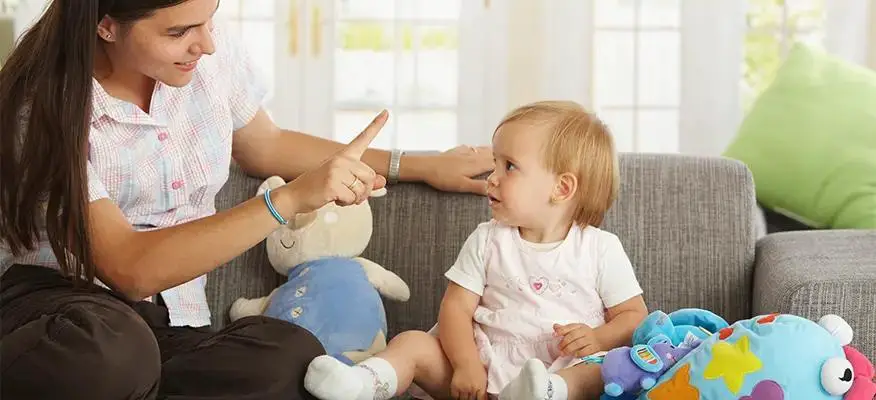
When should you start teaching good manners to toddlers?
You can start teaching good manners as soon as your toddler begins interacting with other people, typically between 12 and 18 months of age. At this stage, children may not understand why manners matter, but they are already learning by observing how parents speak, react, and treat others. Repeated exposure to polite language and respectful behavior lays the foundation for habits they will strengthen throughout the toddler years.
Toddlers develop social skills gradually as their language, emotional regulation, and self-control improve. A one-year-old may wave goodbye after watching a parent do it several times, while a two-year-old can begin saying “please” and “thank you” with reminders. By age three, many children can greet people politely, take turns during play, and apologize with guidance. These milestones vary from child to child, so progress is more important than reaching a specific age target.
Parents often become frustrated when toddlers forget to use good manners after learning them once. This is a normal part of development because young children do not build habits through a single lesson. They learn through hundreds of small interactions repeated across meals, playtime, shopping trips, family visits, and bedtime routines. Every polite reminder reinforces the same behavior until it becomes more automatic.
Setting realistic expectations helps both parents and toddlers succeed. Instead of expecting perfect manners every day, focus on one or two behaviors at a time, such as saying “please” before asking for something or greeting grandparents when they arrive. Celebrating these small successes creates confidence and encourages toddlers to continue practicing polite behavior without feeling pressured or criticized.
Which good manners should toddlers learn first?
Toddlers learn good manners more successfully when parents introduce a few simple behaviors before moving on to more complex social skills. Teaching one habit at a time prevents children from feeling overwhelmed and gives them enough opportunities to practice each behavior until it becomes familiar.
The first manners every toddler should learn are saying “please” and “thank you.” These two phrases are used in everyday situations, making them easy to practice throughout the day. Encourage your child to say “please” before requesting a snack or toy, then respond warmly when they remember. After receiving help, gently remind them to say “thank you” instead of correcting them with frustration. Consistent modeling helps toddlers understand that polite words are a normal part of conversation rather than rules they use only when adults insist.
Greeting people politely is another foundational social skill. Saying “hello,” waving goodbye, and making eye contact teach toddlers how to acknowledge others respectfully. These habits help children feel more confident in social situations and prepare them for interactions at daycare, preschool, and family gatherings. Practice greetings whenever someone arrives at your home or before leaving a relative’s house so they become part of your child’s routine.
Sharing and taking turns should be introduced early because toddlers frequently encounter these situations during play. Young children naturally struggle to share because they are still developing self-control and understanding of other people’s feelings. Instead of expecting immediate cooperation, demonstrate taking turns during games, describe what is happening, and praise every successful attempt. Even waiting ten seconds before receiving a favorite toy is meaningful practice for a toddler.
Teaching children to say “sorry” should focus on empathy rather than memorization. A forced apology rarely helps toddlers understand the impact of their actions. Instead, explain what happened in simple language, acknowledge the other person’s feelings, and guide your child toward making things right. For example, if your toddler knocks over another child’s block tower, encourage them to help rebuild it before saying “I’m sorry.” This approach connects polite words with kind actions.
Waiting patiently is another important manner that supports many other social skills. Toddlers often interrupt conversations or demand immediate attention because impulse control is still developing. Create short opportunities to practice waiting, such as asking your child to wait while you finish pouring milk or count to five before handing over a toy. Gradually increasing waiting time helps toddlers develop patience without creating unnecessary frustration.
How can you teach good manners to toddlers effectively?
The most effective way to teach good manners to toddlers is to make polite behavior part of everyday life instead of treating it as a separate lesson. Young children learn primarily through observation, repetition, and positive experiences. When parents consistently demonstrate respectful behavior, toddlers gradually copy the same actions because imitation is one of the strongest learning mechanisms during early childhood.
Be a role model by using polite language in your own conversations. Say “please” when asking your child for help, thank family members for small acts of kindness, and greet neighbors or store employees respectfully. Toddlers notice these interactions every day and begin to understand that good manners are expected in all situations, not only when adults remind them. A child who regularly hears polite language at home is more likely to use it naturally with others.
Practice manners during daily routines instead of creating formal teaching sessions. Mealtime is an opportunity to practice saying “please” before asking for more food and “thank you” after receiving it. During playtime, encourage taking turns with toys and using kind words when asking to join a game. Shopping trips provide opportunities to greet cashiers, wait patiently in line, and say goodbye before leaving. These everyday experiences give toddlers repeated chances to practice the same behaviors in meaningful contexts.
Use positive reinforcement to encourage progress rather than focusing only on mistakes. Praise specific behaviors such as, “You remembered to say thank you without a reminder,” instead of giving general compliments like “Good job.” Specific feedback helps toddlers understand exactly which action they should repeat. Smiles, hugs, high-fives, and enthusiastic encouragement are often more effective than material rewards because they strengthen intrinsic motivation and make polite behavior feel rewarding.
Keep expectations consistent across caregivers and environments. Toddlers learn faster when parents, grandparents, babysitters, and preschool teachers encourage the same basic manners. If one adult expects polite requests while another ignores rude behavior, children receive mixed signals that slow habit formation. Agreeing on a small set of household expectations creates consistency and reduces confusion.
Correct inappropriate behavior calmly and immediately when necessary. Instead of saying, “You’re being rude,” describe the behavior you want to see. For example, you might say, “Let’s ask with ‘please,'” or “Let’s try that again using kind words.” This approach teaches the desired behavior instead of making toddlers feel ashamed. Calm guidance also reduces power struggles, making children more willing to cooperate and practice the correct response.
Which everyday activities help toddlers practice good manners?
Everyday routines give toddlers the best opportunities to practice good manners because they repeat the same social interactions every day. Instead of setting aside special teaching sessions, parents can use ordinary moments to reinforce polite behavior until it becomes a natural habit. Frequent practice in familiar situations helps toddlers remember what to do without feeling like they are being tested.
Mealtime is one of the easiest places to build polite habits. Encourage your toddler to say “please” before asking for more food, “thank you” after someone serves them, and “excuse me” before leaving the table when appropriate. Family meals also teach children to wait until others finish speaking, avoid interrupting conversations, and use a calm voice. Because these routines happen several times a day, they provide consistent opportunities to strengthen the same behaviors.
Playtime helps toddlers develop manners that involve other people, including sharing, taking turns, and using kind words. Board games, building blocks, puzzles, and pretend play all require cooperation and patience. When conflicts happen over toys, guide your child through simple solutions instead of solving the problem immediately. For example, encourage one child to ask, “Can I have a turn when you’re finished?” rather than grabbing the toy. These interactions teach respectful communication while helping toddlers regulate their emotions.
Shopping trips and visits to public places expose toddlers to everyday social situations outside the home. Before entering a store, remind your child to greet employees, stay close to the shopping cart, and wait patiently while you pay. Encourage them to thank the cashier or wave goodbye before leaving. Repeating these expectations during each outing helps toddlers understand that good manners apply wherever they go, not just at home.
Family gatherings and playdates allow toddlers to practice polite behavior with different people and in new environments. Encourage your child to greet relatives when they arrive, share toys with cousins or friends, and thank the host before leaving. Young children may still need reminders, but each positive interaction strengthens their confidence and makes polite behavior feel more familiar.
Reading picture books and engaging in pretend play are effective ways to reinforce manners without direct correction. Stories about kindness, sharing, patience, and empathy help toddlers recognize appropriate behavior through relatable characters. After reading, ask simple questions such as, “What did the character do to be kind?” or recreate similar situations using dolls or stuffed animals. Acting out everyday scenarios gives children a safe environment to practice polite responses before they encounter them in real life.
What mistakes should parents avoid when teaching good manners?
Many toddlers struggle with good manners because of unrealistic expectations rather than a lack of willingness to learn. Avoiding common parenting mistakes helps children develop polite habits with less frustration and more confidence. The goal is to teach appropriate behavior through guidance and repetition instead of pressure or punishment.
Expecting immediate results is one of the most common mistakes. Toddlers need months of consistent practice before polite behaviors become automatic. A child may remember to say “thank you” at breakfast but forget at lunch because self-control, memory, and language skills are still developing. Instead of assuming your toddler is being defiant, treat each forgotten manner as another opportunity to practice.
Being inconsistent also slows progress. If polite language is expected one day but ignored the next, toddlers receive mixed messages about what matters. Consistency does not mean correcting every mistake. It means responding in a similar way whenever the same situation occurs. For example, if you encourage your child to say “please” before receiving a snack, continue using the same expectation every time rather than making exceptions based on convenience.
Forcing apologies is another mistake that can reduce the meaning of good manners. A toddler who repeats “I’m sorry” without understanding why is simply memorizing words instead of learning empathy. Help your child recognize how another person feels, explain what happened in simple language, and encourage an action that repairs the situation, such as returning a toy, helping clean up a mess, or offering a hug if the other child is comfortable. Polite words become more meaningful when they are connected to thoughtful actions.
Punishing or embarrassing toddlers for forgetting their manners often creates fear instead of learning. Correcting a child by scolding them loudly in front of others may stop the behavior temporarily, but it can also make them anxious about speaking in social situations. Calm reminders and gentle redirection are more effective because they keep the focus on learning the correct behavior rather than avoiding punishment.
Correcting every small mistake can overwhelm young children. Toddlers are learning language, emotional regulation, and social skills at the same time, so expecting perfect behavior in every interaction is unrealistic. Focus on one or two priority manners, such as using polite words and taking turns, before introducing additional expectations. Mastering a few important habits first builds confidence and creates a stronger foundation for more advanced social skills as your child grows.
What should you do if your toddler refuses to use good manners?
A toddler who refuses to use good manners is not necessarily being disrespectful. In most cases, refusal reflects a normal stage of development rather than intentional defiance. Toddlers are learning independence, testing boundaries, and managing emotions while still developing language and self-control. Understanding the reason behind the behavior allows parents to respond in ways that encourage learning instead of creating unnecessary conflict.
Stay calm when your toddler ignores a polite request or refuses to say “please” or “thank you.” Reacting with anger or turning the situation into a power struggle often shifts the child’s attention away from learning manners and toward resisting authority. Instead, model the response you want to hear. For example, if your toddler reaches for a snack without asking politely, you can say, “Try asking, ‘Can I have an apple, please?'” Once they repeat the request, respond positively and continue the interaction without criticism.
Consider whether your expectations match your child’s developmental stage. A tired, hungry, or overstimulated toddler is much less likely to remember social rules than a well-rested child. If your toddler repeatedly forgets to use good manners during busy outings or late in the day, reduce expectations and focus on gentle reminders rather than correction. Choosing the right moment to practice increases the likelihood of success.
Ignore minor mistakes when they are part of the learning process. Correcting every forgotten “thank you” or every interruption can overwhelm toddlers and reduce their confidence. Instead, decide which behaviors matter most and reinforce those consistently. Prioritizing a few essential manners, such as making polite requests and treating others kindly, allows children to build strong habits before learning more advanced social expectations.
Praise genuine effort whenever your toddler demonstrates polite behavior without being reminded. Recognizing small improvements reinforces positive habits and encourages children to repeat them. Saying, “You remembered to share your toy with your friend,” or “You greeted Grandma all by yourself,” highlights the exact behavior you want to see again. Over time, these repeated positive experiences make good manners feel rewarding rather than something children do only to avoid correction.
How do you know your toddler is developing good manners?
Toddlers develop good manners gradually, so progress is best measured through consistent improvement rather than perfect behavior. A child who occasionally forgets to say “please” can still be making meaningful progress if polite behaviors become more frequent over time. Looking for long-term patterns instead of isolated moments helps parents recognize healthy development.
One positive sign is that your toddler begins using polite words without constant reminders. They may say “thank you” after receiving a snack, greet familiar people voluntarily, or ask for help using respectful language. These spontaneous behaviors show that good manners are becoming habits rather than responses prompted by adults.
Another sign of progress is improved cooperation with others. Toddlers who are learning good manners become more willing to take turns, wait briefly for their turn, share toys with guidance, and respond appropriately during family routines. Although conflicts remain a normal part of early childhood, they become easier to resolve because children have more effective ways to communicate their needs.
Parents should also notice growing empathy. As toddlers mature, they begin recognizing when another child is upset and may offer comfort, help pick up dropped toys, or participate in repairing a mistake after hurting someone’s feelings. These actions demonstrate that good manners are extending beyond polite words and becoming part of everyday social behavior.
Developing good manners is a long-term process that continues throughout childhood. The habits toddlers build between the ages of one and three create the foundation for respectful communication, emotional regulation, and healthy relationships in preschool, school, and later life. By modeling kindness, maintaining consistent expectations, and practicing manners during everyday routines, parents help children develop social skills that last far beyond the toddler years.