
Pregnancy acne often begins earlier than many women expect. For some, the first breakout appears only a few weeks after conception, even before a pregnancy test confirms the pregnancy. These unexpected skin changes are primarily driven by hormonal fluctuations that occur as the body adapts to support fetal development.
Most pregnancy-related acne develops during the first trimester, particularly between weeks 4 and 6. During this period, hormone levels rise rapidly, stimulating the sebaceous glands to produce more oil. Excess oil can mix with dead skin cells and clog pores, creating an environment where acne lesions such as whiteheads, blackheads, papules, and pustules develop.
Not every pregnant woman experiences acne. Some women notice clearer skin during pregnancy, while others develop breakouts despite never having acne before. Factors such as genetics, skin type, previous hormonal acne, and individual hormone responses influence whether pregnancy acne occurs and how severe it becomes.
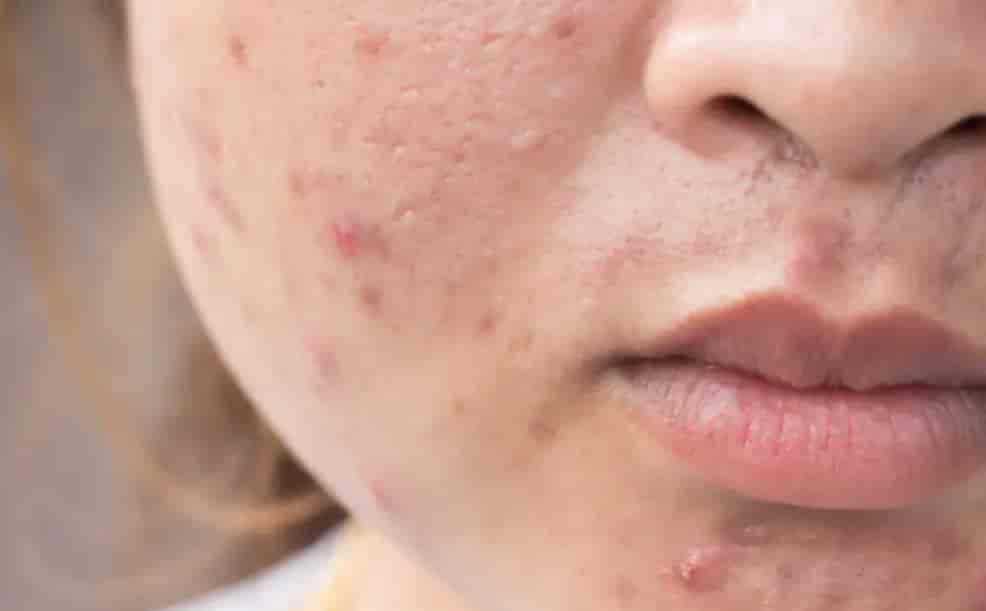
Understanding when pregnancy acne begins is important because it helps distinguish normal pregnancy-related skin changes from other dermatological conditions. It also allows pregnant women to adopt safe skincare practices early and avoid treatments that may be unsuitable during pregnancy.
This article explains when pregnancy acne usually starts, why hormonal changes trigger breakouts, who is most likely to develop pregnancy acne, how long it typically lasts, and which treatment options are considered safe during pregnancy.
When Does Pregnancy Acne Usually Begin?
Pregnancy acne usually begins between weeks 4 and 6 of pregnancy. This timing coincides with the earliest hormonal changes that occur after implantation. Many women notice new breakouts before their first prenatal appointment and, in some cases, before they realize they are pregnant.
The first trimester is the period most strongly associated with pregnancy acne. During the first 12 weeks, hormone production increases rapidly to support the developing placenta and fetus. These hormonal fluctuations directly affect the skin’s oil-producing glands, making clogged pores and acne lesions more likely.
Not all women develop acne at the same time. Some experience breakouts immediately after conception, while others notice symptoms closer to the second trimester. The timing depends on factors such as genetics, baseline hormone levels, skin type, and a previous history of hormonal acne.
Women who were prone to acne before pregnancy often experience earlier and more severe breakouts. In contrast, women with naturally dry skin or no history of acne may develop only mild symptoms or none at all. This variation explains why pregnancy acne is common but not universal.
Although acne can appear throughout pregnancy, the first trimester remains the most common onset period because hormonal activity reaches its fastest rate of change during these early weeks.
Why Does Pregnancy Cause Acne?
Pregnancy causes acne because hormonal changes increase oil production in the skin. Two hormones play the most important roles: progesterone and androgens. Both hormones rise during pregnancy and stimulate the sebaceous glands to produce additional sebum.
Progesterone levels increase significantly after conception. This hormone helps maintain the uterine lining and supports fetal development. At the same time, it causes sebaceous glands to become more active. Excess sebum accumulates on the skin surface and increases the likelihood of blocked pores.
Androgens also contribute to acne formation. Although commonly associated with male physiology, androgens are naturally present in women and increase during pregnancy. Elevated androgen activity enlarges sebaceous glands and further increases oil production. More oil means a greater chance of pore obstruction and bacterial growth.
Acne develops through a predictable biological process. Excess sebum combines with dead skin cells inside hair follicles. The mixture blocks the pore opening and forms a microcomedone, which is the earliest acne lesion. When bacteria proliferate within the blocked pore, inflammation develops, leading to papules, pustules, or deeper cystic acne.
Additional pregnancy-related factors can worsen breakouts. Increased blood flow, stress, sleep disruption, dietary changes, and heightened skin sensitivity may contribute to inflammation and make existing acne appear more severe.
Is Pregnancy Acne an Early Sign of Pregnancy?
Pregnancy acne can be an early sign of pregnancy, but it is not a reliable indicator on its own. Because hormonal changes begin shortly after conception, some women notice acne before experiencing other common pregnancy symptoms.
The challenge is that pregnancy acne closely resembles hormonal acne that occurs before menstruation. Both conditions are triggered by fluctuations in progesterone and androgen levels. As a result, it is often impossible to determine whether a breakout is related to pregnancy or an upcoming menstrual cycle based solely on skin changes.
Several early pregnancy symptoms provide stronger evidence than acne alone. These include a missed period, breast tenderness, nausea, fatigue, increased urination, and a positive pregnancy test. When acne occurs alongside these symptoms, pregnancy becomes a more likely explanation.
Women who normally experience premenstrual acne may notice differences during pregnancy. Pregnancy acne often persists longer, may appear more inflammatory, and can continue beyond the expected menstrual cycle timeline. However, these patterns vary significantly between individuals and should not be used as diagnostic criteria.
The most accurate way to confirm pregnancy is through a home pregnancy test or medical evaluation. Acne should be viewed as a possible accompanying symptom rather than a definitive sign of pregnancy.
Who Is More Likely to Develop Pregnancy Acne?
Certain women have a higher risk of developing pregnancy acne because their skin responds more strongly to hormonal fluctuations. While any pregnant woman can experience breakouts, several factors increase the likelihood and severity of acne during pregnancy.
A history of hormonal acne is one of the strongest risk factors. Women who regularly develop acne before menstruation often experience similar or worse breakouts during pregnancy. Their sebaceous glands tend to be more sensitive to changes in progesterone and androgen levels.
Women with naturally oily skin are also more susceptible. Oily skin already produces larger amounts of sebum, and pregnancy hormones can further increase oil production. This combination raises the risk of clogged pores and inflammatory lesions.
Polycystic ovary syndrome (PCOS) is another significant risk factor. PCOS is associated with elevated androgen activity, which can increase acne development even before pregnancy. Women with PCOS frequently experience more persistent and severe pregnancy-related acne.
Genetics also influence acne risk. Women whose mothers or sisters experienced pregnancy acne may have a higher chance of developing similar symptoms. Genetic factors affect hormone sensitivity, sebum production, and inflammatory responses within the skin.
Previous pregnancy acne is often predictive of future experiences. Women who developed acne during an earlier pregnancy frequently report similar breakouts in subsequent pregnancies because their hormonal response patterns tend to remain consistent.
Where Does Pregnancy Acne Commonly Appear?
Pregnancy acne most commonly appears in areas with a high concentration of sebaceous glands. These regions naturally produce more oil and become more vulnerable to hormonal changes during pregnancy.
The face is the most frequently affected area. The cheeks, forehead, nose, and chin contain numerous sebaceous glands that respond quickly to increased hormone levels. Facial acne often appears as whiteheads, blackheads, papules, or pustules.
The chin and jawline are particularly associated with hormonal acne. Breakouts in these areas are common because the skin around the lower face is highly responsive to androgen fluctuations. Many women notice clusters of inflammatory pimples along the jawline during the first trimester.
The neck can also develop acne when excess oil combines with sweat, friction, and dead skin cells. Although less common than facial acne, neck breakouts frequently occur alongside jawline acne.
The chest contains numerous sebaceous glands and is another common location for pregnancy acne. Increased sweating and tighter-fitting clothing may contribute to pore blockage and irritation in this area.
The upper back is often affected because it contains one of the highest densities of oil-producing glands in the body. Back acne, sometimes called “bacne,” may develop as scattered pimples or widespread inflammatory lesions, particularly in women with oily skin.
The distribution of pregnancy acne varies between individuals, but most breakouts occur in regions where sebaceous gland activity is naturally highest.
How Long Does Pregnancy Acne Last?
Pregnancy acne can last anywhere from a few weeks to the entire pregnancy. The duration depends on hormonal patterns, skin type, genetics, and the severity of the breakout.
Many women experience the worst symptoms during the first trimester. This period involves the most dramatic hormonal changes, which often trigger sudden increases in oil production. Some women notice significant improvement once hormone levels become more stable during the second trimester.
The second trimester brings relief for many pregnant women. As the body adjusts to hormonal changes, inflammation may decrease and existing acne lesions can begin to heal. However, improvement is not universal, and some women continue to experience active breakouts.
For others, acne persists throughout the third trimester. Continued hormonal activity, increased blood volume, stress, sleep disturbances, and physical changes associated with late pregnancy can maintain or worsen acne symptoms.
Most pregnancy acne improves after delivery. Following childbirth, progesterone and androgen levels decline substantially. Reduced hormonal stimulation allows sebaceous gland activity to normalize, leading to fewer clogged pores and less inflammation.
Postpartum recovery timelines vary. Some women see improvement within a few weeks after delivery, while others require several months for hormone levels and skin function to stabilize completely. Women who had pre-existing hormonal acne may continue to experience breakouts even after pregnancy-related acne resolves.
How Can You Treat Pregnancy Acne Safely?
Safe pregnancy acne treatment focuses on reducing excess oil, preventing clogged pores, and controlling inflammation without exposing the developing baby to potentially harmful ingredients. A consistent skincare routine is often more effective than aggressive treatments during pregnancy.
Cleanse the skin twice daily using a gentle, fragrance-free cleanser. Harsh scrubs and abrasive cleansing tools can damage the skin barrier and increase inflammation. Gentle cleansing removes excess oil and debris while preserving the skin’s natural protective function.
Use non-comedogenic skincare products whenever possible. Non-comedogenic moisturizers, sunscreens, and cosmetics are formulated to minimize pore blockage. This helps reduce the formation of new acne lesions while supporting overall skin health.
Maintain adequate hydration of the skin. Many women mistakenly avoid moisturizer when acne develops, but dehydrated skin can trigger additional oil production. Lightweight moisturizers help balance the skin barrier and reduce irritation.
Apply broad-spectrum sunscreen every day. Pregnancy hormones can increase the risk of hyperpigmentation and post-inflammatory dark spots. Daily sun protection reduces discoloration and supports healthier skin recovery.
Several topical ingredients are generally considered compatible with pregnancy when approved by a healthcare provider. Examples include azelaic acid, low-concentration benzoyl peroxide in certain cases, glycolic acid, and topical clindamycin when prescribed. Treatment recommendations should always be individualized based on medical history and acne severity.
Lifestyle factors can also support acne management. Getting sufficient sleep, managing stress, avoiding picking or squeezing pimples, and maintaining a balanced diet may help reduce inflammation and prevent worsening breakouts.
Which Acne Treatments Should Be Avoided During Pregnancy?
Several acne treatments should be avoided during pregnancy because they may pose risks to fetal development. Understanding which ingredients are contraindicated is essential before starting any acne treatment.
Oral isotretinoin is the most important medication to avoid. Isotretinoin is strongly associated with severe birth defects affecting the brain, heart, face, and central nervous system. Women taking isotretinoin are typically required to follow strict pregnancy prevention programs because of its known teratogenic effects.
Topical retinoids are also generally avoided during pregnancy. This category includes tretinoin, adapalene, tazarotene, and similar vitamin A derivatives. Although systemic absorption from topical use is lower than oral isotretinoin, most healthcare providers recommend avoiding these ingredients as a precaution.
High-dose vitamin A supplements should not be used for acne treatment during pregnancy. Excessive vitamin A intake has been linked to fetal developmental abnormalities and should only be consumed within medically recommended limits.
Certain oral antibiotics may be inappropriate during pregnancy. Tetracycline antibiotics, including doxycycline and minocycline, can affect fetal bone growth and tooth development. These medications are generally avoided, especially after the first trimester.
Self-medicating with over-the-counter acne products can create unnecessary risks because ingredient labels may not clearly indicate pregnancy safety. Women should consult their obstetrician, dermatologist, or healthcare provider before introducing any new acne treatment during pregnancy.
When Should You See a Doctor for Pregnancy Acne?
Most pregnancy acne is mild and can be managed with appropriate skincare. However, some situations require professional medical evaluation to prevent complications and improve outcomes.
You should consult a healthcare provider if acne becomes severe or painful. Large inflammatory nodules and cystic acne can damage deeper layers of the skin and increase the likelihood of permanent scarring.
Medical attention is also recommended when acne spreads extensively beyond the face. Significant involvement of the chest, shoulders, neck, or back may indicate a more severe hormonal response that requires targeted treatment.
Persistent acne that does not improve despite consistent skincare may benefit from professional evaluation. A dermatologist can identify contributing factors and recommend pregnancy-compatible treatment options based on individual needs.
Scarring is another reason to seek medical advice. Early intervention can reduce the risk of permanent textural changes and long-term pigmentation issues. Delaying treatment may make future correction more difficult.
Mental and emotional wellbeing should also be considered. Acne can affect self-confidence, body image, and quality of life during pregnancy. Women who feel distressed by their skin condition should discuss their concerns with a healthcare professional.
A doctor can determine whether the skin condition is truly pregnancy acne or another dermatological disorder that mimics acne. Accurate diagnosis is important because treatment recommendations vary depending on the underlying cause.
Does Pregnancy Acne Mean You Are Having a Boy or a Girl?
Pregnancy acne does not indicate whether you are carrying a boy or a girl. Although this belief is widespread in many cultures, there is no scientific evidence linking fetal sex to the development of pregnancy acne.
One common myth suggests that a baby girl “steals the mother’s beauty,” leading to acne, skin changes, and other cosmetic concerns. Another belief claims that carrying a boy results in clearer skin. These ideas have been passed down through generations but have not been supported by medical research.
Pregnancy acne develops because of hormonal fluctuations, particularly increased progesterone and androgen activity. These hormones influence sebaceous gland function regardless of the baby’s sex. The biological mechanisms that cause acne are the same whether the fetus is male or female.
Several studies examining common pregnancy symptoms have found no reliable connection between fetal gender and maternal acne severity. Women carrying girls and women carrying boys can both experience severe acne, mild acne, or no acne at all.
The only reliable methods for determining fetal sex are medical tests such as ultrasound examinations, non-invasive prenatal testing (NIPT), chorionic villus sampling (CVS), or amniocentesis when clinically indicated. Skin changes should not be used to predict a baby’s gender.
Can Diet Affect Pregnancy Acne?
Diet can influence pregnancy acne, although hormones remain the primary cause. Certain foods may worsen inflammation, increase insulin activity, or stimulate pathways that contribute to acne formation in susceptible individuals.
High-glycemic foods are among the most frequently studied dietary factors. Foods such as white bread, sugary beverages, candy, pastries, and highly processed snacks can cause rapid increases in blood sugar levels. Elevated blood sugar triggers insulin responses that may increase sebum production and inflammation.
Dairy products may contribute to acne in some individuals. Milk contains naturally occurring hormones and growth factors that can affect insulin-like growth factor 1 (IGF-1), a compound associated with acne development. However, the relationship between dairy and acne varies significantly from person to person.
Adequate hydration supports overall skin function. Drinking sufficient water does not directly cure acne, but it helps maintain skin barrier integrity and supports normal physiological processes throughout pregnancy.
A nutrient-dense diet may help reduce inflammatory responses. Foods rich in omega-3 fatty acids, antioxidants, zinc, and vitamins support skin health. Examples include salmon, walnuts, leafy green vegetables, berries, legumes, and whole grains.
No specific pregnancy diet can completely prevent acne because hormonal changes remain the dominant factor. However, maintaining balanced nutrition may help reduce acne severity and support overall maternal health.
Can Pregnancy Acne Be Prevented Completely?
Pregnancy acne cannot be prevented completely because its primary cause is hormonal activity that naturally occurs during pregnancy. Since these hormonal changes are essential for fetal development, they cannot be eliminated.
What can be controlled is the severity and frequency of breakouts. A proactive skincare routine helps reduce factors that contribute to acne formation, such as excess oil, clogged pores, and skin irritation.
Gentle cleansing twice daily is one of the most effective preventive measures. Removing excess sebum and environmental debris reduces the likelihood of blocked pores. Over-cleansing should be avoided because it can trigger additional oil production and inflammation.
Choosing non-comedogenic skincare and cosmetic products also lowers the risk of acne flare-ups. Products labeled non-comedogenic are designed to minimize pore blockage and are often better tolerated by acne-prone skin.
Avoiding behaviors that aggravate acne is equally important. Picking pimples, touching the face frequently, sleeping with makeup on, and using harsh exfoliants can worsen inflammation and increase the risk of scarring.
Managing stress may provide additional benefits. Stress can influence hormone activity and inflammatory pathways that contribute to acne development. Techniques such as regular physical activity approved by a healthcare provider, adequate sleep, and relaxation practices may support healthier skin.
Realistic expectations are essential. Even with excellent skincare habits, some degree of pregnancy acne may still occur. The goal is not complete prevention but rather minimizing breakouts, reducing inflammation, and protecting long-term skin health until hormone levels stabilize after delivery.
Conclusion
Pregnancy acne typically begins during the first trimester, most commonly between weeks 4 and 6, when hormonal changes accelerate to support pregnancy. Increased levels of progesterone and androgens stimulate the sebaceous glands, leading to excess oil production, clogged pores, and acne breakouts. While pregnancy acne can be one of the earliest noticeable changes after conception, it should not be considered a reliable sign of pregnancy on its own.
The severity, location, and duration of pregnancy acne vary from one woman to another. Some experience only a few mild breakouts that resolve during the second trimester, while others continue to develop acne throughout pregnancy. Factors such as genetics, skin type, hormonal sensitivity, and a history of hormonal acne all influence the outcome.
Although pregnancy acne cannot be completely prevented, a consistent skincare routine and pregnancy-safe treatment approach can significantly reduce inflammation and support healthier skin. Avoiding contraindicated ingredients, using non-comedogenic products, and seeking medical advice for severe acne can help minimize discomfort and reduce the risk of scarring.
For most women, pregnancy acne improves naturally after childbirth as hormone levels gradually return to their pre-pregnancy state. Understanding the biological causes behind these breakouts can make the condition easier to manage and help set realistic expectations throughout pregnancy.