
Whether Coco & Eve is safe for pregnancy depends on the specific product and its ingredient list, not the brand itself. Most hair care products from Coco & Eve are generally considered low risk during pregnancy because they are applied externally and are not known to contain ingredients that obstetricians commonly advise pregnant women to avoid. However, some products, particularly self-tanners and formulas containing active ingredients, fragrances, or essential oils, may require additional review before use.
Pregnancy changes how the body responds to skincare and beauty products. Increased skin sensitivity, hormonal fluctuations, and concerns about ingredient absorption cause many expectant mothers to reassess the products they use daily. As a result, ingredients such as retinoids, high-strength salicylic acid, hydroquinone, and certain essential oils often receive closer scrutiny during pregnancy.
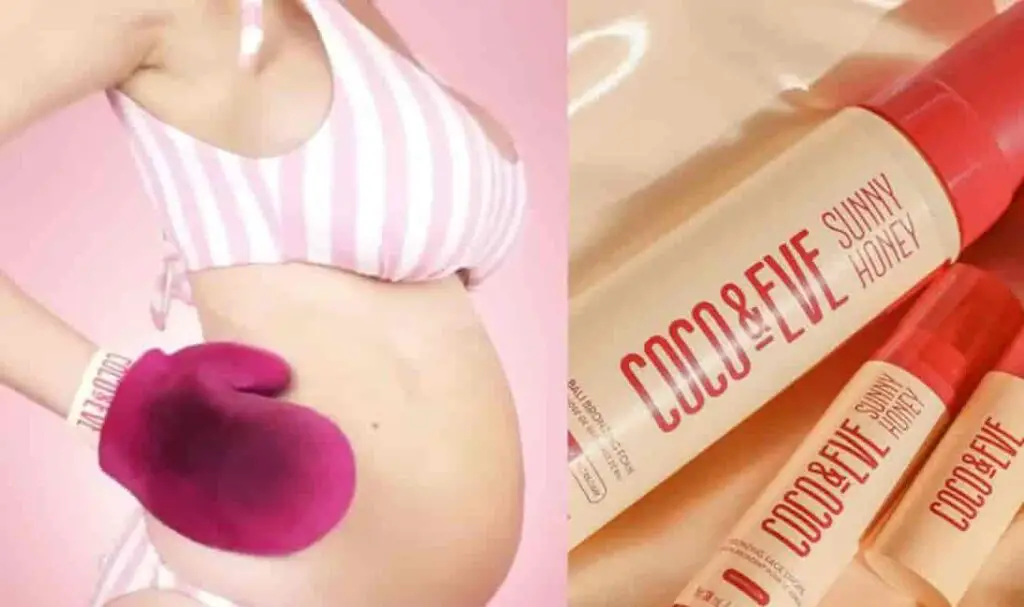
Coco & Eve offers a range of hair masks, shampoos, conditioners, body care products, and self-tanning solutions. Each category carries a different level of consideration when evaluating pregnancy safety. A hair mask that sits on the hair shaft for a few minutes presents a different risk profile than a self-tanning product applied across large areas of skin.
This guide examines the safety of Coco & Eve products during pregnancy, reviews ingredients that deserve attention, explains what dermatologists and OB-GYNs typically recommend, and helps you determine which products may be suitable throughout each stage of pregnancy.
Is Coco And Eve Safe For Pregnancy?
Yes, most Coco & Eve products are generally considered safe during pregnancy, but safety depends on the specific ingredients contained in each formula. Hair masks, shampoos, conditioners, and most rinse-off hair care products are typically viewed as lower-risk options because they remain on the scalp or hair for a limited period and contain minimal systemic absorption. However, pregnant women should still review ingredient labels carefully because individual products may contain ingredients that warrant additional consideration during pregnancy.
Pregnancy safety should always be evaluated at the product level rather than the brand level. A beauty brand can offer dozens of formulations across multiple categories, and each product contains a different combination of active ingredients, preservatives, fragrances, botanical extracts, and performance-enhancing compounds. For example, a nourishing hair mask and a self-tanning mousse serve different purposes and contain entirely different ingredient profiles. As a result, one product may be appropriate during pregnancy while another may require consultation with a healthcare provider before use.
The most important factors when assessing a Coco & Eve product during pregnancy are ingredient safety, application area, frequency of use, and absorption potential. Ingredients such as retinoids are widely discouraged during pregnancy due to concerns about fetal development. Other ingredients, including fragrance blends, essential oils, and self-tanning agents, are not universally prohibited but may require a more cautious approach. This is why dermatologists and OB-GYNs typically recommend reviewing the complete ingredient list instead of relying solely on marketing claims such as “natural,” “clean,” or “pregnancy-friendly.”
Which Coco & Eve Products Are Generally Considered Safe During Pregnancy?
Most Coco & Eve hair care products are generally considered low-risk during pregnancy because they are formulated for external use and are not designed to penetrate deeply into the bloodstream. Products such as hair masks, shampoos, conditioners, and leave-in treatments typically remain on the hair shaft or scalp surface, limiting systemic exposure. This makes them different from prescription skincare products that contain active ingredients known to affect fetal development.
The Coco & Eve Like A Virgin Hair Mask is one of the brand’s most popular products and is commonly viewed as pregnancy-friendly due to its focus on hair hydration and repair. The formula contains moisturizing ingredients such as coconut-derived compounds, fatty acids, and conditioning agents that help improve hair texture without relying on ingredients that are routinely restricted during pregnancy. Women experiencing pregnancy-related dryness, frizz, or hair breakage often choose conditioning treatments because they target the hair fiber rather than the body’s internal systems.
Hair care products are generally associated with lower safety concerns than facial treatments because the hair itself is biologically inactive. Most ingredients remain on the hair strand and are rinsed away after use. While pregnant women should still review ingredient labels for individual sensitivities, most rinse-off Coco & Eve hair care products fall into the category of products that healthcare professionals typically consider lower risk when used as directed.
Which Coco & Eve Products Require Extra Caution During Pregnancy?
Self-tanning products require more scrutiny during pregnancy than standard hair care products because they are applied over large areas of the body and contain active tanning ingredients. The primary concern is not that self-tanners have been proven harmful during pregnancy, but that safety data remains limited compared to more extensively studied cosmetic ingredients. When evidence is limited, many healthcare providers recommend a precautionary approach.
Coco & Eve’s self-tanning range relies on dihydroxyacetone (DHA), a colorless sugar that reacts with amino acids in the outermost layer of the skin to create a temporary bronzed appearance. Current evidence suggests that DHA primarily affects the skin surface and has minimal systemic absorption. However, because comprehensive pregnancy-specific studies are lacking, some physicians recommend limiting unnecessary exposure during the first trimester when fetal organ development is most sensitive.
Spray tanning products deserve additional consideration because inhalation creates a different exposure pathway than topical application. Even when skin absorption remains low, inhaling tanning particles may increase the potential for ingredients to enter the respiratory system. For this reason, many OB-GYNs advise pregnant women to avoid spray tanning booths and instead choose topical lotions or mousses if they decide to use self-tanning products during pregnancy.
What Ingredients Should Pregnant Women Check Before Using Coco & Eve Products?
Ingredient screening is the most reliable method for determining whether a cosmetic product is suitable during pregnancy. Rather than focusing on brand reputation alone, pregnant women should examine the ingredient list for substances that medical professionals frequently recommend avoiding or limiting. This approach provides a more accurate safety assessment than relying on packaging claims or social media recommendations.
Retinoids represent one of the most important ingredient categories to avoid during pregnancy. Vitamin A derivatives, including retinol, retinaldehyde, tretinoin, and related compounds, have been associated with fetal developmental concerns when absorbed in sufficient amounts. Although many Coco & Eve products do not focus on retinoid-based formulations, ingredient labels should always be reviewed because product formulations can change over time.
Salicylic acid, essential oils, and fragrance blends deserve additional attention. High-concentration salicylic acid treatments are often avoided during pregnancy, while lower concentrations may be considered acceptable depending on medical guidance. Essential oils present a more complex issue because individual oils have different safety profiles. Fragrance mixtures can also trigger increased skin sensitivity, which affects many women during pregnancy due to hormonal changes. Checking ingredient labels before each purchase helps ensure that a product remains aligned with current pregnancy safety recommendations.
Is Coco & Eve Self Tanner Safe During Pregnancy?
Coco & Eve self-tanners are not universally considered unsafe during pregnancy, but they belong to a category of products that require additional consideration. The primary active ingredient in most self-tanning products is DHA (Dihydroxyacetone), a sugar-derived compound that reacts with dead skin cells to create a temporary tanning effect. Current research suggests that DHA mainly affects the outer layer of the skin and has limited absorption into the bloodstream.
The main concern is the lack of extensive pregnancy-specific safety studies rather than evidence of proven harm. Medical organizations generally classify topical self-tanners as lower risk than UV tanning beds because they do not expose the skin to ultraviolet radiation. However, limited clinical data means many healthcare providers recommend minimizing unnecessary cosmetic exposures, especially during the first trimester when fetal organ development occurs.
Women who choose to use Coco & Eve self-tanners during pregnancy should follow three precautions. First, avoid spray tanning applications that can be inhaled. Second, apply the product only to healthy, intact skin without cuts or irritation. Third, consult an OB-GYN if the pregnancy is considered high risk or if there are concerns regarding ingredient exposure. For many healthy pregnancies, topical self-tanners remain an option, but professional medical advice should always take precedence over general cosmetic recommendations.
How Can You Check Whether A Coco & Eve Product Is Pregnancy Safe?
The most effective way to evaluate a Coco & Eve product during pregnancy is to review the complete ingredient list before purchase. Product marketing often highlights beneficial ingredients while omitting information about preservatives, fragrance compounds, or active ingredients that may influence pregnancy safety. Ingredient verification provides a more reliable assessment than labels such as “natural,” “clean,” or “non-toxic.”
Start by checking for four major categories of ingredients that commonly receive scrutiny during pregnancy: retinoids, high-strength salicylic acid, hydroquinone, and certain essential oils. Retinoids receive the greatest attention because of their established association with developmental risks. Hydroquinone is often avoided due to its relatively high absorption rate compared with many cosmetic ingredients. Essential oils require individual evaluation because their safety profiles vary significantly from one oil to another.
A practical approach involves comparing the ingredient list against guidance from an OB-GYN, dermatologist, or a reputable pregnancy-safe skincare database. Product formulations change periodically, meaning a product considered acceptable today may contain different ingredients in a future version. Reviewing ingredient labels before each purchase helps maintain an accurate and up-to-date assessment throughout pregnancy.
Is Coco & Eve Safe While Breastfeeding?
Many products that require caution during pregnancy are considered acceptable while breastfeeding because the exposure pathways differ significantly. During pregnancy, the primary concern involves ingredients reaching the developing fetus through maternal circulation. During breastfeeding, attention shifts to whether ingredients can transfer into breast milk in meaningful amounts and affect the nursing infant.
Most Coco & Eve hair care products are generally regarded as compatible with breastfeeding because topical exposure from shampoos, conditioners, and hair masks is extremely limited. These products are applied externally, frequently rinsed away, and are not intended for ingestion. As a result, the likelihood of significant transfer into breast milk is considered low for most standard hair care formulations.
Self-tanning products may also be used more freely during breastfeeding than during pregnancy, although precautions remain important. Nursing mothers should avoid applying self-tanner directly to the nipple or breast area where accidental infant ingestion could occur. Washing hands thoroughly after application and allowing products to dry completely before skin-to-skin contact further reduces potential exposure. When uncertainty exists regarding a specific ingredient, consultation with a healthcare professional remains the safest course of action.
What Do Dermatologists And OB-GYNs Recommend During Pregnancy?
Dermatologists and OB-GYNs generally recommend a risk-reduction approach when selecting beauty products during pregnancy. The goal is not to eliminate every cosmetic product but to prioritize formulations with established safety profiles and avoid ingredients that have known or suspected developmental concerns. This approach balances maternal well-being with fetal safety while recognizing that many personal care products pose minimal risk when used appropriately.
Most healthcare professionals focus on four categories when evaluating cosmetic products during pregnancy: retinoids, hydroquinone, high-dose salicylic acid, and ingredients with limited pregnancy safety data. Retinoids receive the strongest recommendations for avoidance because of their association with fetal abnormalities. Hydroquinone is often discouraged due to its relatively high absorption rate. Products containing these ingredients are usually replaced with alternatives that have longer histories of safe use during pregnancy.
Medical experts also encourage pregnant women to simplify their beauty routines when possible. Using fewer products reduces overall ingredient exposure and makes it easier to identify the source of irritation if skin reactions occur. Pregnancy often increases skin sensitivity, leading to redness, itching, dryness, and unexpected reactions even from products that were previously well tolerated. Selecting gentle, fragrance-light formulations can help minimize these concerns throughout pregnancy.
What Are The Best Alternatives If You Are Unsure About Using Coco & Eve During Pregnancy?
When uncertainty exists about a specific Coco & Eve product, choosing a pregnancy-focused alternative can provide additional peace of mind. Many brands formulate products specifically for expectant mothers by excluding ingredients that commonly raise concerns among healthcare professionals. While this does not automatically make a product safer, it can simplify the ingredient-review process.
For hair care needs, pregnant women often benefit from simple moisturizing formulas that focus on hydration, strengthening, and scalp comfort. Products containing ingredients such as coconut oil, argan oil, shea butter, glycerin, and plant-based conditioning agents generally provide hair repair benefits without relying on aggressive active ingredients. These formulations address common pregnancy-related concerns including dryness, frizz, and increased hair texture changes.
For those seeking a bronzed appearance, gradual tanning lotions may be preferable to intensive tanning products because they typically allow more controlled application and lower overall product exposure. Some pregnant women choose to postpone self-tanning entirely until after delivery, while others continue using topical tanning products under medical guidance. The best choice depends on individual risk tolerance, pregnancy status, and recommendations from a healthcare provider familiar with the patient’s medical history.
Is Coco And Eve Safe For Pregnancy? Final Verdict
Most Coco & Eve hair care products are generally considered safe for pregnancy because they are externally applied, have limited absorption potential, and are not primarily formulated with ingredients that medical professionals commonly advise pregnant women to avoid. Products such as hair masks, conditioners, and shampoos typically fall into the lower-risk category when used according to instructions.
Greater caution is warranted with self-tanning products. Current evidence suggests that topical DHA-based self-tanners have minimal absorption through the skin, but pregnancy-specific research remains limited. As a result, many healthcare providers recommend avoiding spray tanning products, exercising additional caution during the first trimester, and consulting an OB-GYN before using self-tanners throughout pregnancy.
The safest approach is to evaluate each product individually rather than making assumptions based on the brand name alone. Ingredient lists, application methods, personal health conditions, and professional medical guidance all play important roles in determining suitability during pregnancy. If a product contains no restricted ingredients and has been approved by a healthcare provider, many Coco & Eve products can be incorporated into a pregnancy beauty routine with confidence.
For women who remain uncertain, consultation with an OB-GYN or dermatologist provides the most reliable answer. Pregnancy safety recommendations evolve as new research becomes available, making professional guidance the best source of personalized advice for both mother and baby.