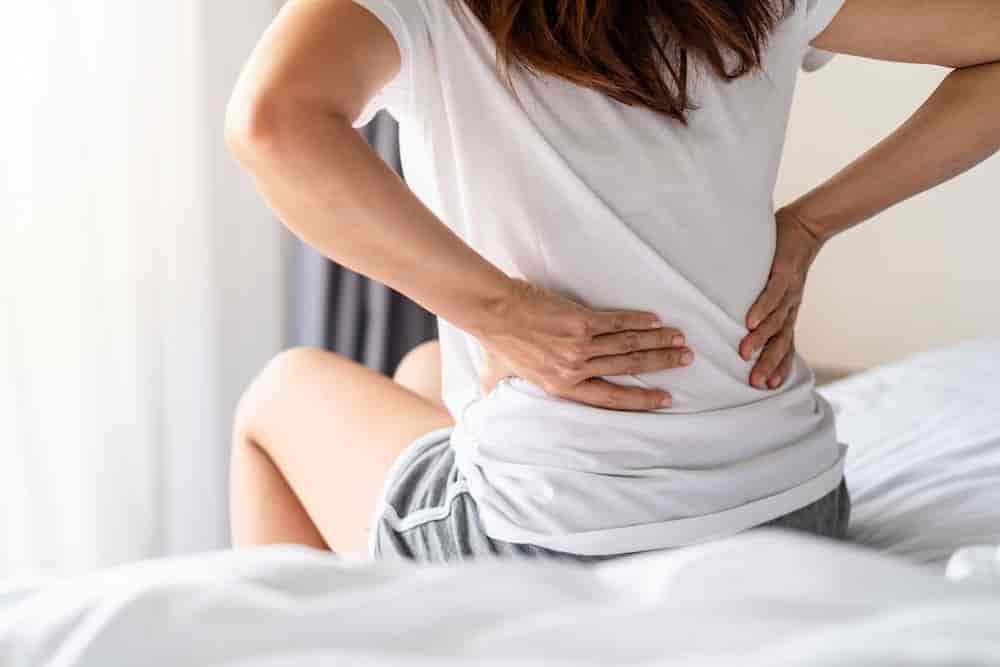
es, back pain can be an early sign of pregnancy, but it is rarely the only symptom. Some women notice mild lower back discomfort during the first few weeks after conception as hormonal changes begin to affect the muscles, ligaments, and joints that support the spine. However, back pain is also common before menstruation, after physical activity, or because of poor posture, so it should not be used alone to determine whether you are pregnant.
Early pregnancy back pain often occurs alongside other symptoms, including a missed period, breast tenderness, fatigue, mild cramping, nausea, and frequent urination. Looking at the combination of symptoms provides a much more reliable indication of pregnancy than evaluating back pain by itself. The most accurate way to confirm pregnancy is still a home pregnancy test taken at the right time or a blood test recommended by a healthcare provider.
This article explains whether back pain is an early sign of pregnancy, why it happens, what early pregnancy back pain feels like, when it usually starts, how it differs from premenstrual back pain, and which warning signs require immediate medical attention. You will also learn safe ways to relieve back pain during early pregnancy and understand when it is appropriate to take a pregnancy test for the most accurate result.
Is Back Pain an Early Sign of Pregnancy?
Yes, back pain can be an early sign of pregnancy, but it is not one of the earliest or most reliable symptoms on its own. Some women develop mild lower back pain during the first few weeks after conception because pregnancy hormones begin preparing the body to support fetal growth. However, many women do not experience back pain until later in the first trimester or even the second trimester.
Lower back pain becomes more meaningful when it occurs together with other early pregnancy symptoms. A missed period, breast tenderness, fatigue, mild cramping, nausea, frequent urination, and food aversions provide stronger evidence of early pregnancy than back pain alone. If back pain is the only symptom, it is more likely to be related to premenstrual syndrome (PMS), muscle strain, poor posture, or prolonged sitting.
The only reliable way to confirm pregnancy is by taking a home pregnancy test after a missed period or having a blood test that measures human chorionic gonadotropin (hCG). These tests detect pregnancy much more accurately than evaluating symptoms alone.
Why Can Early Pregnancy Cause Back Pain?
Early pregnancy can cause back pain because hormonal and physical changes begin affecting the muscles, ligaments, and joints shortly after conception. Although the baby is still very small, the body starts adapting almost immediately to support the pregnancy.
One of the main causes is an increase in progesterone. This hormone relaxes smooth muscles throughout the body and helps maintain pregnancy. At the same time, another hormone called relaxin gradually loosens the ligaments that stabilize the pelvis. While these changes prepare the body for childbirth later in pregnancy, they can also reduce joint stability and place additional stress on the lower back.
The uterus also begins growing soon after implantation. Increased blood flow to the uterus and surrounding pelvic tissues can create a feeling of heaviness or dull aching in the lower back. Although these changes are subtle during the first few weeks, some women are more sensitive to them than others.
Lifestyle factors can make early pregnancy back pain more noticeable. Standing for long periods, lifting heavy objects, weak core muscles, excess body weight, or a history of chronic back pain may increase discomfort even before the abdomen begins to enlarge.
What Does Early Pregnancy Back Pain Feel Like?
Early pregnancy back pain usually feels like a mild, dull, or persistent ache in the lower back rather than a sudden or severe pain. Most women describe the discomfort around the lumbar spine or just above the hips. The pain may affect both sides of the lower back or remain concentrated in one area without radiating down the legs.
The discomfort often develops gradually instead of appearing suddenly. Many women notice that it becomes more noticeable after standing, sitting, or walking for extended periods and improves with rest or gentle movement. Unlike pain caused by an injury, early pregnancy back pain is generally mild enough that it does not interfere significantly with daily activities.
The intensity varies from person to person. Some women experience only occasional soreness, while others report a constant aching sensation during the first trimester. Severe pain, sharp stabbing pain, numbness, weakness in the legs, heavy vaginal bleeding, fever, or pain accompanied by one-sided pelvic discomfort is not considered typical early pregnancy back pain and should be evaluated by a healthcare provider as soon as possible.
When Does Back Pain Start During Pregnancy?
Back pain can start during early pregnancy, but it is more common after the first few weeks than immediately after conception. Some women notice mild lower back discomfort as early as one to two weeks after implantation, while others do not experience any back pain until the end of the first trimester or even later. The timing varies because every pregnancy produces hormonal and physical changes at a different pace.
During the first four weeks of pregnancy, the body begins producing higher levels of progesterone and relaxin. These hormones help support the pregnancy by relaxing muscles and loosening ligaments, especially around the pelvis. Although these changes are subtle, they can affect spinal stability and contribute to mild lower back discomfort in some women.
Back pain before a missed period is possible but uncommon. At this stage, the embryo is extremely small, and most women have not yet developed noticeable pregnancy symptoms. If lower back pain occurs before a missed period, it should be considered alongside other early signs, such as breast tenderness, light implantation bleeding, fatigue, mild cramping, or nausea, rather than being viewed as a standalone indicator of pregnancy.
As pregnancy progresses through the first trimester, hormonal changes become more pronounced, blood volume increases, and the uterus continues to grow. These normal physiological adaptations may cause back discomfort to become more frequent or noticeable, particularly in women with a history of back pain or poor posture.
What Other Early Pregnancy Symptoms Usually Occur With Back Pain?
Back pain is more likely to indicate early pregnancy when it occurs together with several other pregnancy symptoms. Most women experience a combination of physical changes rather than a single symptom during the first trimester.
A missed period is usually the earliest and most recognizable sign of pregnancy. After implantation, the body produces human chorionic gonadotropin (hCG), which supports the pregnancy and prevents menstruation. Women with regular menstrual cycles often notice a missed period before many other symptoms become obvious.
Breast tenderness is another common early symptom. Rising hormone levels increase blood flow to breast tissue, making the breasts feel swollen, heavier, or more sensitive than usual. Some women also notice darker areolas or more visible veins during the first few weeks.
Fatigue frequently develops during early pregnancy because progesterone has a calming effect on the body while energy demands increase to support fetal development. Many women report feeling unusually tired even after getting enough sleep.
Other common symptoms include mild cramping, nausea, frequent urination, bloating, food aversions, heightened sensitivity to smells, and mood changes. Although each symptom can occur independently, experiencing several of them together with lower back pain makes pregnancy more likely than conditions such as premenstrual syndrome or muscle strain.
How Is Pregnancy Back Pain Different From PMS Back Pain?
Pregnancy back pain and PMS back pain can feel similar, but they differ in their cause, duration, and associated symptoms. Understanding these differences can help women interpret their symptoms more accurately before taking a pregnancy test.
Pregnancy-related back pain is primarily caused by hormonal changes that relax ligaments and alter the body’s support structures. The discomfort is usually mild, dull, and persistent, often continuing beyond the expected menstrual period. In contrast, PMS back pain is triggered by hormonal fluctuations during the menstrual cycle and typically improves once menstruation begins.
The accompanying symptoms also differ. Pregnancy back pain commonly occurs with a missed period, breast tenderness, fatigue, nausea, frequent urination, and food aversions. PMS is more often associated with menstrual cramps, temporary bloating, acne, headaches, irritability, and symptoms that disappear within a few days after menstrual bleeding starts.
The duration of the pain provides another useful clue. Lower back pain related to PMS usually resolves as hormone levels return to normal after the menstrual period. Pregnancy-related back pain may continue or gradually increase as the pregnancy progresses because hormonal changes and physical adaptations persist throughout the first trimester.
Although comparing symptoms can be helpful, no combination of symptoms can confirm pregnancy with complete certainty. A home pregnancy test taken after a missed period or a laboratory blood test remains the most reliable way to determine whether pregnancy is the cause of lower back pain.
When Should You Take a Pregnancy Test?
The best time to take a pregnancy test is after your missed period because human chorionic gonadotropin (hCG) levels are usually high enough to produce an accurate result. Although some early-response home pregnancy tests can detect hCG several days before an expected period, testing too early increases the chance of receiving a false-negative result.
After implantation, the developing placenta begins producing hCG. The hormone enters the bloodstream first and then appears in the urine. Most home pregnancy tests detect hCG in urine, which is why waiting until the first day of a missed period significantly improves accuracy. If the first test is negative but pregnancy is still suspected, repeat the test 48 to 72 hours later because hCG levels typically double every two to three days during early pregnancy.
Women who experience persistent lower back pain together with a missed period, breast tenderness, nausea, fatigue, or frequent urination should consider taking a pregnancy test rather than relying on symptoms alone. If home test results are unclear or inconsistent, a healthcare provider may recommend a blood test, which can detect lower hCG levels earlier than most urine tests.
When Is Back Pain During Early Pregnancy a Warning Sign?
Most cases of mild lower back pain during early pregnancy are normal, but severe or persistent pain accompanied by other symptoms may indicate a medical emergency. Recognizing these warning signs allows timely evaluation and treatment, helping protect both the mother and the developing pregnancy.
Severe lower back pain combined with heavy vaginal bleeding, intense abdominal cramping, dizziness, fainting, fever, or chills should never be ignored. These symptoms may indicate complications such as miscarriage, infection, or another condition requiring immediate medical attention.
Pain that occurs mainly on one side of the lower abdomen or pelvis, especially when accompanied by shoulder pain, lightheadedness, or vaginal bleeding, may suggest an ectopic pregnancy. An ectopic pregnancy occurs when a fertilized egg implants outside the uterus, most commonly in a fallopian tube. Because this condition can become life-threatening if the tube ruptures, immediate emergency care is essential.
Back pain that becomes progressively worse, spreads into the legs with numbness or weakness, or causes difficulty walking or controlling bladder or bowel function is also abnormal. These symptoms may indicate a neurological or musculoskeletal condition unrelated to pregnancy and should be evaluated promptly by a healthcare professional.
If you are uncertain whether your symptoms are normal, it is always safer to contact your healthcare provider. Early assessment can identify complications before they become more serious and provide reassurance when symptoms are part of a healthy pregnancy.
How Can You Relieve Back Pain Safely During Early Pregnancy?
Most mild back pain during early pregnancy can be relieved through simple lifestyle adjustments that reduce pressure on the spine and improve muscle support. Conservative treatments are usually effective and are recommended before considering medication.
Maintaining good posture is one of the most effective ways to reduce lower back strain. Standing with the shoulders relaxed, keeping the spine in a neutral position, and avoiding prolonged sitting can help distribute body weight more evenly. Women who work at a desk should take short walking or stretching breaks every 30 to 60 minutes.
Regular low-impact exercise also helps reduce pregnancy-related back pain. Walking, prenatal yoga, swimming, and gentle stretching improve flexibility, strengthen the core and pelvic muscles, and reduce stiffness without placing excessive stress on the joints. Any exercise program should be approved by a healthcare provider, particularly for women with high-risk pregnancies.
Sleeping on the side with a pillow placed between the knees or under the abdomen can improve spinal alignment and decrease pressure on the lower back during the night. Wearing supportive, low-heeled shoes instead of high heels also helps maintain better posture and balance as the body changes throughout pregnancy.
A warm compress applied to the lower back for a short period may help relax tight muscles and relieve discomfort. However, excessive heat should be avoided, especially over the abdomen, because raising core body temperature during pregnancy is not recommended.
Pain medications should never be taken without medical advice during pregnancy. If back pain becomes severe, interferes with daily activities, or does not improve with self-care measures, consult a healthcare provider to determine the safest treatment based on your stage of pregnancy and overall health.
Who Is More Likely to Experience Back Pain in Early Pregnancy?
Several factors increase the likelihood of developing back pain during early pregnancy. Although hormonal changes affect every pregnancy, individual health, lifestyle, and medical history determine how noticeable the discomfort becomes.
Women with a history of chronic lower back pain are more likely to experience symptoms early in pregnancy because existing muscle weakness or spinal conditions can become more sensitive as pregnancy hormones loosen the ligaments around the pelvis. Previous back injuries, herniated discs, or poor spinal alignment may also contribute to greater discomfort.
Excess body weight places additional stress on the spine and supporting muscles, increasing the risk of lower back pain even before the uterus grows significantly. Similarly, women with weak core muscles or low physical activity levels often have less support for the lower back, making hormonal changes more noticeable during the first trimester.
Occupations that require prolonged standing, repetitive bending, heavy lifting, or extended periods of sitting can also increase back strain. Without proper posture or ergonomic support, these activities may worsen pregnancy-related discomfort throughout the day.
Women carrying twins or higher-order multiples may develop back pain earlier than those with a single pregnancy because the body adapts more rapidly to increased physical demands. While not every woman with these risk factors will develop back pain, understanding them can help identify effective prevention and management strategies.
Can Back Pain Be Prevented During Pregnancy?
Back pain cannot always be prevented during pregnancy, but healthy daily habits can significantly reduce its frequency and severity. Building strength, maintaining proper posture, and minimizing unnecessary strain help support the spine as the body changes throughout pregnancy.
Regular physical activity is one of the most effective preventive measures. Low-impact exercises such as walking, swimming, and prenatal yoga strengthen the muscles that support the back and pelvis while improving flexibility and balance. Consistent exercise also helps maintain a healthy body weight, reducing unnecessary pressure on the lower back.
Proper posture plays an equally important role. Sitting with adequate lumbar support, avoiding slouched positions, and lifting objects by bending the knees instead of the waist reduce mechanical stress on the spine. Women who spend long hours at a desk should adjust their workstation ergonomically and stand up regularly to stretch and walk.
Supportive footwear also contributes to spinal health during pregnancy. Flat or low-heeled shoes with good arch support provide better stability than high heels, helping maintain natural body alignment and reducing pressure on the lower back.
Routine prenatal care is another essential preventive strategy. Regular checkups allow healthcare providers to monitor pregnancy-related changes, identify underlying conditions, and recommend personalized exercises or treatments if back pain begins to interfere with daily activities.
Frequently Asked Questions
Can implantation cause back pain?
Yes, implantation may cause mild lower back discomfort in some women, but it is not a common symptom. Implantation occurs when the fertilized egg attaches to the uterine lining, usually six to twelve days after ovulation. Some women experience light cramping, mild spotting, or a dull ache in the lower back during this time, while many notice no symptoms at all.
Is lower back pain a reliable early pregnancy symptom?
No, lower back pain alone is not a reliable indicator of pregnancy. It is a nonspecific symptom that can result from premenstrual syndrome, muscle strain, poor posture, prolonged sitting, kidney conditions, or other medical problems. Pregnancy becomes more likely when back pain occurs together with a missed period and other early pregnancy symptoms.
Can you be pregnant if back pain is your only symptom?
Yes, it is possible, but it is uncommon. Some women experience very few symptoms during early pregnancy. However, because back pain has many possible causes, pregnancy should not be assumed without confirmation through a home pregnancy test or a laboratory blood test.
Should I worry if my back pain suddenly becomes severe?
Yes. Severe or worsening back pain, especially when accompanied by heavy vaginal bleeding, one-sided pelvic pain, fever, dizziness, fainting, or shoulder pain, requires immediate medical evaluation because it may indicate complications such as an ectopic pregnancy or miscarriage.
Does every pregnant woman experience back pain?
No. Many women never develop back pain during early pregnancy, while others experience only mild discomfort. The severity and timing vary depending on hormonal changes, physical fitness, posture, body weight, previous back problems, and individual differences in pregnancy.
Conclusion
Back pain can be an early sign of pregnancy, but it should never be interpreted in isolation. Mild lower back discomfort may develop during the first few weeks as hormonal changes begin relaxing the ligaments and supporting structures around the pelvis. However, similar pain can also result from premenstrual syndrome, muscle strain, or other non-pregnancy-related conditions.
The likelihood of pregnancy increases when back pain occurs alongside other early symptoms such as a missed period, breast tenderness, fatigue, nausea, frequent urination, or light cramping. Because symptoms vary from one woman to another, the most reliable way to confirm pregnancy is by taking a home pregnancy test after a missed period or undergoing a blood test recommended by a healthcare provider.
Most early pregnancy back pain is mild and improves with healthy lifestyle habits, including regular low-impact exercise, proper posture, supportive footwear, and adequate rest. If the pain becomes severe, persists despite self-care, or occurs together with heavy bleeding, fever, dizziness, or one-sided pelvic pain, seek medical attention immediately to rule out potentially serious pregnancy complications.