
Toddlers can develop important early learning skills at home through simple activities that naturally fit into their daily routines. Early learning is not limited to learning letters or numbers. It includes cognitive skills, language development, problem-solving abilities, motor skills, and social-emotional development that create the foundation for future learning.
The ages between 1 and 3 years old are a critical period for building these foundational abilities. During this stage, toddlers learn primarily through observation, play, exploration, and interaction with parents or caregivers. Everyday activities such as reading a book together, sorting objects, helping with simple household tasks, or engaging in pretend play can become meaningful learning experiences.
Parents do not need to create a complicated classroom environment at home to support toddler development. A supportive home environment with consistent interaction and age-appropriate activities provides children with opportunities to practice essential skills while feeling comfortable and engaged.
This guide explains the most important early learning skills for toddlers and provides practical activities parents can use at home to support cognitive, language, physical, and social development.
What are the most important early learning skills for toddlers at home?
Early learning skills for toddlers include cognitive skills, language skills, early literacy skills, motor skills, and social-emotional skills. These five skill groups help toddlers understand the world, communicate with others, solve simple problems, control their movements, and build independence during the first years of development.
Cognitive skills are the foundation of how toddlers think, remember, explore, and learn from experiences. These skills include attention, memory, curiosity, classification, and problem-solving. Toddlers develop cognitive abilities when they interact with objects, observe patterns, and discover cause-and-effect relationships. For example, a toddler who learns that pressing a button creates a sound is developing early reasoning skills by connecting an action with a result.
Parents can support cognitive development through activities that encourage exploration and decision-making. Sorting toys by color, matching shapes, completing simple puzzles, and asking questions such as “What happens next?” help toddlers practice thinking skills. These activities do not require expensive educational materials because everyday objects, such as cups, blocks, or household items, can provide opportunities for learning.
Language skills are another essential part of early learning because communication supports almost every area of toddler development. Between ages 1 and 3, toddlers gradually expand their vocabulary, improve listening abilities, and learn how to express their needs and ideas. Strong language development also supports later reading ability, social interaction, and emotional expression.
Parents can build language skills through frequent conversations, reading books aloud, and describing everyday activities. For example, explaining actions while preparing food or getting dressed introduces new words and helps toddlers connect language with real experiences. Asking toddlers simple questions and allowing them time to respond also encourages active communication rather than passive listening.
Motor skills help toddlers control their bodies and complete physical tasks independently. These skills include fine motor skills, which involve small movements such as holding a crayon or stacking blocks, and gross motor skills, which involve larger movements such as walking, jumping, and climbing.
Developing motor skills is important because physical coordination supports daily activities and confidence. Activities such as drawing, playing with building blocks, transferring objects between containers, running outdoors, and kicking a ball allow toddlers to strengthen muscle control and hand-eye coordination.
Social-emotional skills help toddlers understand feelings, interact with others, and develop self-control. These skills include recognizing emotions, sharing, taking turns, following simple rules, and building relationships with parents and other children.
Parents can encourage social-emotional learning by modeling positive communication and helping toddlers name their emotions. For example, saying “You feel frustrated because the toy is difficult to use” teaches children to identify feelings and develop emotional awareness. Simple games that involve taking turns also help toddlers understand cooperation and patience.
Early literacy and early math skills are also important parts of toddler learning. Early literacy includes recognizing sounds, understanding stories, and developing interest in books, while early math skills include counting, comparing sizes, recognizing patterns, and understanding basic quantities.
Parents can introduce these skills naturally through daily routines. Reading a picture book before bedtime supports language and literacy development, while counting toys during cleanup introduces early number concepts. These simple interactions help toddlers build academic foundations without turning learning into formal lessons.
How can parents teach early learning skills to toddlers at home?
Parents can teach early learning skills to toddlers at home by turning everyday interactions into learning opportunities. Toddlers learn best through repeated experiences, active exploration, and meaningful conversations rather than formal lessons. A home environment that encourages curiosity allows children to practice important skills while feeling secure and supported.
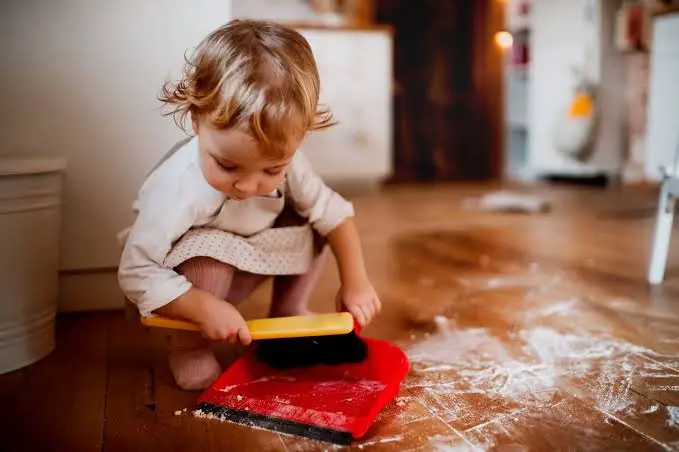
Daily routines are one of the easiest ways to support toddler learning because they happen consistently and involve real-world experiences. Activities such as preparing food, putting away toys, choosing clothes, or washing hands help toddlers develop independence, vocabulary, decision-making skills, and coordination.
For example, a parent preparing a snack can introduce early math concepts by counting pieces of fruit, comparing sizes, or sorting different foods by color. A cleanup routine can teach classification skills when toddlers organize toys into different groups. These simple activities connect learning with practical experiences and help children understand how skills apply to everyday life.
Play-based learning is another effective way for parents to develop early learning skills at home. Play allows toddlers to explore ideas, test solutions, use imagination, and practice social behaviors. Unlike passive activities, active play requires children to make choices and interact with their environment.
Pretend play is especially valuable for toddler development because it supports language, creativity, and social understanding. When a child pretends to cook, care for a toy, or act out a familiar situation, they practice communication skills and learn how different roles work in real life. For example, playing “store” allows toddlers to practice vocabulary, counting, turn-taking, and problem-solving at the same time.
Parents can also support learning through direct interaction with their toddlers. Reading together, asking questions, describing objects, and responding to children’s ideas strengthen communication and cognitive development. The quality of parent-child interaction often matters more than the complexity of the activity itself.
Reading books together is one of the most effective ways to build early learning skills. Parents can ask questions about pictures, encourage toddlers to predict what happens next, and connect stories to real experiences. A simple question such as “Why do you think the character feels sad?” helps children develop emotional understanding and critical thinking.
Parents should focus on creating positive learning experiences instead of expecting toddlers to complete tasks perfectly. Early learning develops through repetition, encouragement, and exploration. When children receive support while trying new activities, they build confidence, independence, and a stronger motivation to learn.
What activities build early learning skills for toddlers at home?
Early learning activities for toddlers should encourage exploration, communication, movement, and independent thinking. The most effective activities are simple, repeatable, and connected to a child’s daily experiences. Toddlers learn through active participation, so activities that allow them to touch, observe, move, and make choices create stronger learning opportunities than activities based only on listening.
Reading and storytelling activities are among the most effective ways to support toddler language development and early literacy skills. Reading aloud helps toddlers recognize sounds, expand vocabulary, understand sentence structures, and develop attention skills. Even before children can read independently, they learn how books work by looking at pictures, turning pages, and connecting stories with their own experiences.
Parents can make reading more interactive by asking questions, pointing to pictures, and encouraging toddlers to describe what they see. For example, instead of only reading the words on a page, parents can ask, “What is the dog doing?” or “Where do you think the character is going?” These questions encourage observation, memory, and verbal expression.
Hands-on learning activities help toddlers develop cognitive skills and fine motor control at the same time. Activities such as puzzles, sorting games, building blocks, and arts and crafts require children to use their hands while thinking about shapes, patterns, colors, and solutions.
Building blocks are a particularly useful learning tool because they support multiple areas of development. When toddlers stack blocks, they practice balance, coordination, planning, and problem-solving. For example, a child who tries different ways to build a taller tower is learning through trial and error while developing early engineering concepts.
Sorting activities also introduce early math skills in a natural way. Parents can ask toddlers to separate objects by color, size, or type. Sorting buttons, toys, or household items helps children understand classification, comparison, and patterns, which are important foundations for later mathematical thinking.
Sensory and movement activities support physical development while encouraging curiosity and exploration. Toddlers learn about the world through their senses, including touch, sight, hearing, and movement. Activities involving different textures, sounds, and physical actions help children develop awareness and coordination.
Simple sensory activities include playing with water, exploring safe household materials, drawing with different textures, or creating a sensory bin with age-appropriate objects. These activities strengthen observation skills and encourage toddlers to describe what they experience.
Movement activities are also essential because physical development is connected to learning. Running, jumping, climbing, dancing, and throwing games help toddlers improve balance, strength, coordination, and confidence. Outdoor play provides additional opportunities for children to explore their environment and practice decision-making.
Parents can combine different activities to support multiple early learning skills at once. For example, a simple cooking activity can include counting ingredients, describing textures, following instructions, and practicing fine motor movements. These combined experiences help toddlers develop a wider range of skills while keeping learning natural and enjoyable.
How can parents create a home learning environment for toddlers?
A home learning environment helps toddlers develop early learning skills by making everyday spaces supportive of exploration, independence, and discovery. A learning environment does not require a dedicated classroom or expensive educational equipment. The most effective home learning spaces provide age-appropriate materials, predictable routines, and opportunities for children to interact with their surroundings.
Parents can create a supportive learning environment by organizing spaces where toddlers can safely explore and access materials independently. Low shelves, reachable books, simple toys, and clearly arranged activity areas allow children to make choices and practice decision-making. For example, placing puzzles, drawing materials, and building blocks where toddlers can reach them encourages independent play and problem-solving.
The organization of learning materials also affects how toddlers interact with activities. Too many toys available at the same time can reduce focus because children may move quickly between activities without deeper exploration. Rotating toys every few days or weeks helps maintain interest and encourages toddlers to spend more time developing specific skills.
Books are one of the most valuable learning resources for a toddler’s home environment. A small collection of age-appropriate books creates regular opportunities for language development, imagination, and early literacy. Parents can place books in accessible areas so children can explore them independently while also creating daily reading routines together.
Educational materials do not need to be complex to support toddler development. Simple items such as blocks, puzzles, crayons, matching cards, and household objects can support multiple learning areas. A set of building blocks, for example, can improve fine motor skills, spatial awareness, creativity, and problem-solving ability.
Parents should also focus on creating a positive emotional environment because toddlers learn better when they feel safe and supported. Encouragement, patience, and responsive communication help children develop confidence when trying new activities. A child who feels comfortable making mistakes is more likely to explore, ask questions, and continue learning.
Daily routines are another important part of a home learning environment. Consistent routines help toddlers understand expectations and develop independence. Activities such as preparing for bedtime, putting away toys, or helping with simple household tasks teach responsibility while strengthening memory, sequencing skills, and self-management.
A balanced home learning environment combines structured activities with free exploration. Parents can provide opportunities for learning while allowing toddlers to choose activities based on their interests. This balance supports curiosity and helps children develop a positive relationship with learning from an early age.
How do early learning skills help toddlers prepare for preschool?
Early learning skills help toddlers prepare for preschool by building the communication, independence, social, and cognitive abilities they need to participate in a structured learning environment. Preschool readiness is not only about knowing letters, numbers, or academic concepts. It also includes the ability to follow instructions, interact with others, manage emotions, and complete simple tasks independently.
Communication skills are one of the most important foundations for preschool readiness. Toddlers who can express their needs, understand basic instructions, and participate in conversations usually adapt more easily to classroom routines. Language development helps children ask questions, communicate with teachers, build friendships, and participate in group activities.
Parents can support communication readiness by encouraging toddlers to use words instead of relying only on gestures or reactions. Reading together, having regular conversations, and introducing new vocabulary during daily activities help children develop stronger language abilities. For example, talking about ingredients while cooking or describing objects during a walk exposes toddlers to new words in meaningful contexts.
Independence skills also play an important role when toddlers transition into preschool. Children who practice completing simple tasks at home often feel more confident when managing classroom routines. Skills such as putting away toys, washing hands, opening containers, and choosing between options help toddlers develop self-management.
Parents can build independence by allowing toddlers to complete appropriate tasks without immediately taking over. A child who struggles to put on shoes or organize toys is practicing problem-solving and persistence. These experiences teach children that challenges can be solved through effort and practice.
Social-emotional skills prepare toddlers for interacting with teachers and classmates. Preschool requires children to share materials, wait for turns, follow group expectations, and handle different emotions. Developing these abilities before starting school helps children participate more comfortably in social situations.
Parents can support social-emotional development through cooperative games, pretend play, and conversations about feelings. For example, teaching a toddler to say “Can I have a turn?” during play helps them practice communication and cooperation. Helping children identify emotions such as happiness, frustration, or sadness also improves emotional awareness.
Cognitive skills provide the foundation for learning new concepts in preschool. Toddlers who develop attention, memory, curiosity, and problem-solving abilities are better prepared to engage with classroom activities. These skills develop through exploration rather than memorization.
Simple activities such as completing puzzles, matching objects, following multi-step instructions, and exploring new environments strengthen cognitive abilities. For example, asking a toddler to find three red objects around the house combines listening, counting, observation, and memory skills in one activity.
Early learning at home creates a smoother transition into preschool because children become familiar with learning behaviors before entering a classroom. When parents consistently encourage curiosity, communication, independence, and problem-solving, toddlers develop the confidence and skills needed for their next stage of development.
Conclusion Section
How can parents continue supporting early learning skills for toddlers at home?
Parents can continue supporting early learning skills for toddlers at home by creating consistent opportunities for communication, exploration, play, and independence. Early learning is not a single activity or lesson but an ongoing process built through everyday experiences. The most important factor is providing toddlers with a safe environment where they can interact, ask questions, make choices, and practice new abilities.
A strong home learning approach combines different types of activities rather than focusing on only one skill area. Reading together supports language and literacy development, building activities strengthen problem-solving and motor skills, and daily routines encourage independence and responsibility. When these experiences happen regularly, toddlers develop a broader foundation for future learning.
Parents should also remember that toddlers develop skills at different rates. Comparing children with others can create unnecessary pressure because early development depends on individual experiences, interests, and opportunities. Instead, parents can observe their child’s progress and provide activities that match their current abilities while gradually introducing new challenges.
Supporting early learning at home does not require expensive materials or complicated teaching methods. Simple actions such as talking during daily activities, sharing books, encouraging play, and allowing children to help with small tasks can create meaningful learning experiences.
By making learning part of everyday life, parents help toddlers build the cognitive, language, physical, and social skills needed for preschool and future development. A supportive home environment gives children the confidence and curiosity they need to continue learning as they grow.