
Independent play is a child’s ability to stay engaged in self-directed activities without continuous adult guidance or entertainment. For toddlers, this skill does not develop automatically. It grows through consistent opportunities to explore, make simple decisions, solve age-appropriate challenges, and build confidence in a safe environment.
Many parents worry when their toddler constantly asks for attention or refuses to play alone. In reality, most toddlers need time and gradual practice before they feel comfortable playing independently. Factors such as developmental stage, temperament, play environment, daily routines, and the types of toys available all influence how long a toddler can stay engaged on their own.
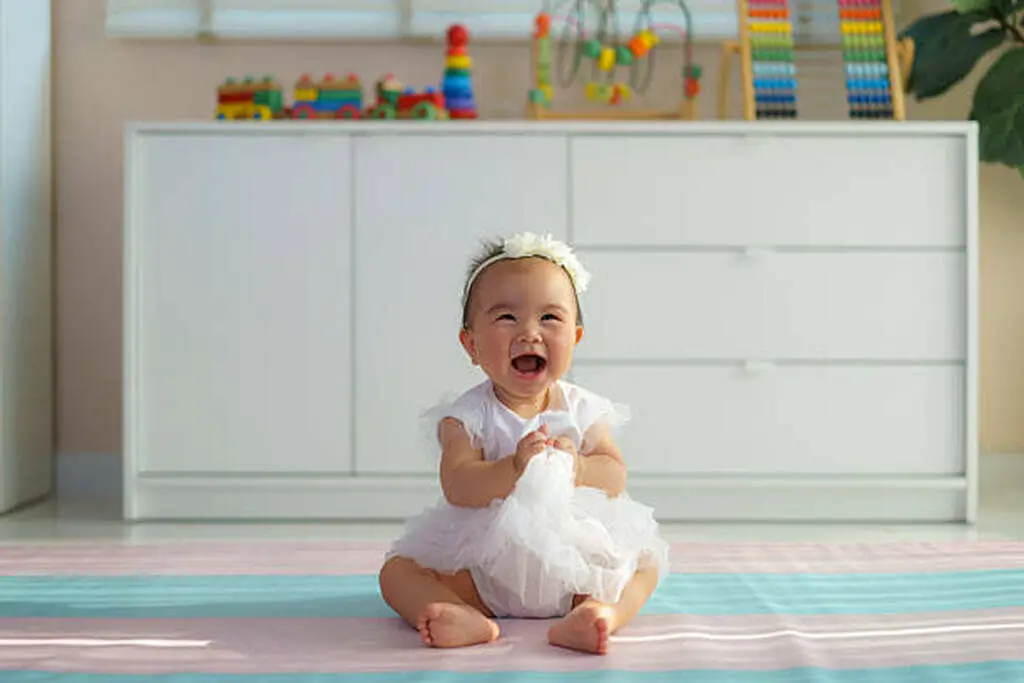
Encouraging independent play benefits both children and parents. Toddlers strengthen attention span, creativity, emotional regulation, problem-solving ability, and self-confidence while learning through exploration instead of constant instruction. Parents gain opportunities to complete daily tasks while knowing their child is developing essential lifelong learning skills.
This guide explains the best ways to encourage independent play in toddlers using practical, evidence-based strategies. You’ll learn how to create an engaging play environment, choose toys that naturally promote self-directed play, introduce age-appropriate activities, determine realistic play durations, and avoid common parenting mistakes that unintentionally discourage independence.
What Is Independent Play in Toddlers?
Independent play is when a toddler chooses and explores activities without requiring constant direction, instruction, or participation from an adult. The goal is not to leave a child alone for long periods but to help them stay engaged in safe, self-directed play while knowing a trusted caregiver is nearby if needed.
A toddler demonstrates independent play by stacking blocks, flipping through board books, drawing with crayons, pretending to cook in a toy kitchen, or exploring sensory materials without asking for help every few minutes. The activity may last only a few minutes at first, especially for younger toddlers, but consistent practice gradually increases their ability to focus.
Independent play is different from simply playing alone. A child who wanders around the room looking for attention is physically alone but not independently engaged. In contrast, a toddler who remains curious, experiments with toys, and solves simple challenges on their own is practicing independent play. The difference lies in active engagement rather than the absence of a parent.
Toddlers typically begin developing independent play between 12 and 18 months, although the duration varies with age and individual temperament. Most children build this skill gradually as their attention span, motor skills, language, and confidence improve through everyday experiences.
Why Is Independent Play Important for Toddler Development?
Independent play supports multiple areas of development at the same time, making it one of the most valuable daily activities during the toddler years. Instead of following adult instructions, toddlers learn by making choices, experimenting, and discovering solutions through trial and error.
One of the greatest benefits is stronger problem-solving ability. When a toddler figures out how to stack blocks higher, complete a simple puzzle, or retrieve a toy from underneath a chair, they practice critical thinking and persistence. Small challenges teach children that not every problem requires immediate adult assistance.
Independent play also strengthens attention span. Focusing on a single activity for several uninterrupted minutes trains the brain to maintain concentration. As toddlers mature, these periods of sustained attention become longer, supporting future learning in preschool and elementary school.
Another important benefit is emotional regulation. Toddlers experience frustration when toys fall over or activities do not go as planned. Working through these moments independently helps them manage emotions, recover from setbacks, and build resilience instead of relying on an adult to solve every difficulty.
Creative thinking develops naturally during self-directed play. Open-ended materials such as building blocks, dolls, toy animals, cardboard boxes, and art supplies allow toddlers to invent stories, explore different solutions, and use objects in multiple ways. This type of imaginative play encourages flexible thinking and supports language development.
Finally, independent play builds confidence. Each small success—whether completing a puzzle, creating a tower, or inventing a pretend game—reinforces the belief that “I can do this myself.” Over time, these repeated experiences increase self-esteem and encourage children to approach new challenges with curiosity instead of hesitation.
What Are the Best Ways to Encourage Independent Play in Toddlers?
Create a Safe and Inviting Play Space
A dedicated, child-friendly play area makes independent play easier because toddlers feel confident exploring their surroundings without constantly asking for help. A well-organized space reduces distractions and allows children to focus on play instead of searching for toys or navigating unsafe obstacles.
Keep the play area simple and accessible. Place a limited number of age-appropriate toys on low shelves or in open baskets so your toddler can choose activities independently. Avoid filling the room with too many options, as excessive choices often reduce engagement rather than increase it.
Safety is equally important. Remove hazards, secure furniture, and ensure toys are appropriate for your child’s developmental stage. When toddlers know they can move freely without frequent adult intervention, they are more likely to stay engaged for longer periods.
Start with Short Independent Play Sessions
Most toddlers cannot play independently for long periods at the beginning, so short, successful sessions build confidence more effectively than unrealistic expectations. Expecting a child to entertain themselves for 30 or 40 minutes immediately often leads to frustration for both the parent and the toddler.
Begin with five to ten minutes of independent play, depending on your child’s age and current attention span. Stay nearby while allowing your toddler to take the lead. If they remain engaged until the session ends, gradually extend the duration over the following weeks.
Consistency matters more than length. A daily ten-minute session is more effective than asking for an hour of independent play once a week because regular practice helps toddlers develop focus as part of their routine.
Build Independent Play into the Daily Routine
Predictable routines help toddlers understand when independent play is expected, making transitions smoother and reducing resistance. Young children feel more secure when daily activities follow a familiar pattern.
Choose a time when your toddler is well-rested, fed, and calm. Many families find that independent play works best after breakfast or after a snack, when children have enough energy to explore. Avoid introducing independent play immediately before naps or meals, as tiredness and hunger often shorten attention spans.
Repeating the same sequence each day—for example, snack, independent play, outdoor time, and lunch—helps toddlers anticipate what comes next. Over time, they begin preparing themselves for play without constant reminders.
Rotate Toys Instead of Buying More Toys
Offering fewer toys at one time often leads to deeper engagement than providing an entire room filled with options. When every toy is available every day, novelty quickly disappears, and toddlers may jump from one activity to another without focusing.
A simple toy rotation system keeps play interesting. Store most toys out of sight and display only six to ten options each week. After several days, replace some items with different toys while putting the previous selection away. This approach creates a sense of novelty without requiring additional purchases.
Toy rotation also encourages children to rediscover familiar materials in new ways. A set of wooden blocks, for example, may become a bridge one week, a garage the next, and a pretend zoo during another play session.
Choose Open-Ended Toys That Encourage Exploration
Open-ended toys promote longer periods of independent play because they have no single correct outcome. Instead of following fixed instructions, toddlers decide how to use the materials, encouraging creativity and problem-solving.
Examples include building blocks, magnetic tiles, wooden animals, stacking cups, play scarves, toy vehicles, dolls, play kitchens, cardboard boxes, art materials, and sensory bins. These toys can be used differently every day, making them more engaging than toys that perform a single function after pressing a button.
Electronic toys that produce lights, sounds, and automatic movements often capture attention quickly but may shorten meaningful play because the toy directs the activity instead of the child. Balancing electronic toys with open-ended materials gives toddlers more opportunities to create, imagine, and experiment independently.
Let Your Toddler Solve Small Problems Before Stepping In
Resisting the urge to help immediately gives toddlers valuable opportunities to develop problem-solving skills and confidence. Many parents instinctively intervene when a child struggles with a puzzle, stacking blocks, or fitting shapes into the correct holes. However, solving every challenge for a toddler removes the opportunity to learn through trial and error.
Instead, observe for a few moments before offering assistance. If your toddler is still engaged, allow them to experiment with different solutions. When support is needed, provide a small hint rather than completing the task. For example, instead of placing the puzzle piece yourself, point to the matching area or ask, “Where else could it fit?” This approach encourages independent thinking while preventing frustration from becoming overwhelming.
Avoid Interrupting Focused Play
Longer periods of concentration develop when toddlers can stay immersed in an activity without unnecessary interruptions. Every time a parent asks questions, offers new ideas, or suggests another toy, the child’s attention shifts away from self-directed exploration.
If your toddler is deeply engaged, resist commenting every few minutes. Simple observations such as “You’re working really hard on that tower” are more supportive than directing the play. Allow your child to decide what happens next instead of introducing new rules or goals.
Protecting uninterrupted play also means limiting background distractions. Turning off the television, reducing loud noise, and keeping digital devices out of the play area make it easier for toddlers to maintain focus.
Praise Effort Instead of Results
Recognizing persistence rather than success encourages toddlers to keep exploring without fearing mistakes. When children believe they are only praised for perfect outcomes, they may avoid activities that seem difficult.
Focus your feedback on effort, curiosity, and persistence. Statements such as “You kept trying until the blocks stayed up” or “You found another way to make it work” reinforce the learning process. This type of encouragement develops a growth mindset and motivates toddlers to continue experimenting independently.
Increase Independence Gradually
Independent play develops over months, not days. As toddlers become more comfortable playing on their own, gradually increase both the duration and the distance between you and your child.
For example, begin by sitting next to your toddler while reading a book. Later, move to another chair in the same room. Eventually, complete a nearby household task while remaining available if your child needs reassurance. This gradual progression teaches toddlers that they can explore independently while still feeling secure.
The goal is not complete separation but growing confidence. Children who know a trusted caregiver is emotionally available are often more willing to play independently because they feel safe exploring their environment.
What Toys and Activities Encourage Independent Play?
Best Toys for Independent Play
The most effective toys for independent play are open-ended, age-appropriate, and flexible enough to be used in multiple ways. Rather than entertaining the child automatically, these toys encourage exploration, imagination, and problem-solving.
Some of the best options include:
- Building blocks: Develop spatial awareness, creativity, and fine motor skills through endless construction possibilities.
- Wooden puzzles: Encourage logical thinking, hand-eye coordination, and persistence.
- Pretend play sets: Toy kitchens, doctor kits, dolls, and toy animals inspire storytelling and imaginative role-play.
- Art materials: Washable crayons, large paper, stickers, and play dough allow toddlers to create independently without a fixed outcome.
- Sensory materials: Rice bins, kinetic sand, water tables, or textured objects promote exploration through touch and movement.
- Stacking and nesting toys: Help toddlers practice sequencing, balance, and problem-solving while remaining engaged for extended periods.
Choosing toys that can be used in different ways keeps play interesting for much longer than toys designed for only one activity.
Independent Play Activities by Age
Matching activities to a toddler’s developmental stage increases the likelihood of successful independent play.
12–18 months
Offer simple activities such as stacking cups, placing objects into containers, looking at board books, pushing toy cars, or exploring soft sensory materials. At this stage, most independent play sessions last only a few minutes.
18–24 months
Introduce large wooden puzzles, shape sorters, pretend feeding games with dolls, building towers, and simple drawing activities. Toddlers begin experimenting with cause and effect while maintaining attention for longer periods.
2-year-olds
Children around age two enjoy pretend kitchens, toy animals, train sets, magnetic tiles, simple craft projects, and obstacle courses created with household items. Their imagination expands rapidly, allowing more creative and sustained play.
3-year-olds
Three-year-olds can participate in more complex pretend play, storytelling, building projects, dress-up games, beginner board games, and collaborative art activities they initiate themselves. At this age, many children are capable of significantly longer periods of independent engagement when the environment supports exploration.
How Long Should Toddlers Play Independently?
The ideal length of independent play depends on a toddler’s age, developmental stage, and previous experience with self-directed activities. There is no universal time target, but gradual progress is more important than reaching a specific number of minutes.
A general guideline is:
- 12–18 months: 5–10 minutes
- 18–24 months: 10–15 minutes
- 2 years: 15–20 minutes
- 3 years: 20–30 minutes
These ranges are averages rather than strict rules. Some toddlers naturally remain engaged for longer periods, while others need more time and practice before they feel comfortable playing independently.
Parents should focus on the quality of engagement instead of watching the clock. A toddler who spends 10 minutes building towers, pretending to cook, or solving puzzles is developing more meaningful skills than one who spends 30 minutes switching rapidly between toys.
Several signs indicate that your toddler is ready for longer independent play sessions. They continue playing after completing one activity, create their own pretend scenarios, solve simple problems without immediately asking for help, and transition between toys while remaining focused. These behaviors show that the child is becoming more confident directing their own play.
On the other hand, persistent whining, wandering aimlessly around the room, repeatedly asking for attention, or becoming frustrated within a few minutes may indicate that the session has lasted long enough. Ending play before a toddler becomes overwhelmed creates a more positive experience and makes them more willing to try again the next day.
Why Won’t Some Toddlers Play Independently?
Most toddlers can develop independent play, but some need additional time, support, or environmental adjustments before the skill becomes consistent. Understanding the underlying reason helps parents respond effectively instead of assuming their child simply dislikes playing alone.
One common reason is separation anxiety. Toddlers who are strongly attached to their caregivers may frequently check whether a parent is nearby before feeling comfortable exploring. This behavior is a normal part of emotional development and usually improves as children gain confidence through repeated positive experiences.
Another factor is temperament. Some children naturally seek social interaction and reassurance more often than others. An outgoing toddler may prefer sharing every discovery with a parent, while a cautious child may hesitate to begin an unfamiliar activity without encouragement. Neither personality type prevents independent play, but each benefits from a slightly different approach.
The play environment also influences success. A room filled with dozens of toys, background television, loud conversations, or frequent interruptions can overwhelm a toddler’s attention. Simplifying the environment often helps children remain engaged for longer periods because they have fewer competing distractions.
Finally, many toddlers simply have not had enough opportunities to practice. If adults consistently entertain, direct, or solve problems for a child, the toddler may come to expect constant interaction during play. Building independence requires patience, repetition, and gradually increasing opportunities for self-directed exploration.
Read more: How to Reduce Toddler Tantrums Naturally: 12 Evidence-Based Strategies
What Mistakes Should Parents Avoid?
Certain parenting habits unintentionally discourage independent play, even when the goal is to help a child succeed. Recognizing these patterns allows parents to create an environment where independence develops naturally.
The first mistake is interrupting play too often. Asking frequent questions, suggesting new ideas, or praising every small action can break a toddler’s concentration. Children often stay engaged longer when adults observe quietly and speak only when necessary.
Another common mistake is providing too many toys at once. An overflowing toy shelf may seem exciting, but excessive choices often reduce focus. Rotating a smaller collection of toys encourages deeper exploration and helps familiar materials feel new again.
Many parents also step in too quickly whenever a child encounters difficulty. Solving every puzzle, rebuilding every fallen tower, or demonstrating every activity prevents toddlers from developing persistence. Allowing children time to think, experiment, and try again teaches resilience and problem-solving.
Relying heavily on screens for entertainment can also reduce opportunities for self-directed play. Digital content provides constant stimulation, leaving little room for imagination or creative exploration. Balancing screen time with open-ended play helps toddlers practice making their own decisions instead of passively following visual prompts.
Finally, avoid expecting independence too quickly. Every toddler develops at a different pace, and comparing one child with another often creates unnecessary pressure. Independent play is a skill strengthened through hundreds of small, positive experiences rather than a milestone achieved overnight.
Frequently Asked Questions About Independent Play in Toddlers
Can independent play make toddlers feel lonely?
No. Independent play does not mean leaving a toddler isolated or emotionally unsupported. Healthy independent play happens when children know a trusted caregiver is nearby and available if needed. This sense of security encourages exploration while strengthening confidence and emotional independence.
Parents can stay in the same room, complete household tasks, or quietly observe without directing the activity. The goal is to let toddlers lead their own play while maintaining a secure attachment.
What if my toddler cries every time I walk away?
Start with very small steps instead of expecting immediate independence. Sit beside your toddler while they begin playing, then gradually move farther away over several days or weeks. Return only after giving your child enough time to attempt self-soothing or re-engage with the activity.
Keeping departures predictable and remaining calm helps toddlers understand that a parent always comes back. Over time, repeated positive experiences reduce anxiety and increase confidence.
Are Montessori toys necessary?
No. Independent play depends more on how toys are used than on the brand or educational philosophy behind them. Many inexpensive toys and everyday household objects encourage creativity just as effectively as Montessori materials.
Building blocks, cardboard boxes, measuring cups, scarves, toy animals, art supplies, and pretend play accessories all support self-directed exploration because they allow children to create multiple outcomes instead of following a single function.
Should siblings always play together?
Not always. Playing with siblings develops cooperation and communication, but toddlers also benefit from spending time exploring independently. Individual play allows each child to make decisions, solve problems, and develop personal interests without relying on an older or younger sibling to guide the activity.
Balancing independent play with cooperative play gives children opportunities to build both self-confidence and social skills.
Final Thoughts
Independent play is a skill that develops through consistent practice, not a milestone that appears overnight. Every short play session helps toddlers strengthen attention span, creativity, emotional regulation, problem-solving ability, and confidence. Progress may be gradual, but small improvements accumulate into lasting developmental benefits.
Parents play an important role by creating a safe environment, establishing predictable routines, choosing open-ended toys, and allowing children enough time to explore without unnecessary interruptions. Rather than measuring success by the number of minutes a toddler plays alone, focus on the quality of engagement and the child’s growing ability to solve problems independently.
As your toddler becomes more confident, independent play naturally becomes a meaningful part of everyday life. Combined with responsive parenting and shared family activities, it supports healthy cognitive, emotional, and social development while helping children become curious, capable, and resilient learners.