
Are pedicures safe during pregnancy? Yes. A pedicure is generally safe for most pregnant women when it is performed in a clean salon, with properly sterilized tools and good ventilation. Most concerns are not related to the pedicure itself. Instead, they involve infection, chemical exposure, or existing pregnancy complications.
Many women experience swollen feet, dry skin, and sore muscles as pregnancy progresses. A professional pedicure can improve comfort, keep toenails healthy, and provide a relaxing self-care experience. However, not every salon follows proper hygiene standards, and not every pregnancy has the same level of risk. Women with high-risk pregnancies, skin infections, or certain medical conditions may need additional precautions or advice from their healthcare provider.
Fortunately, most potential risks can be reduced with a few simple choices. Selecting a reputable nail salon, avoiding poorly ventilated spaces, and ensuring that all instruments are properly disinfected significantly lower the chance of complications. Paying attention to how your body feels during the appointment is equally important.
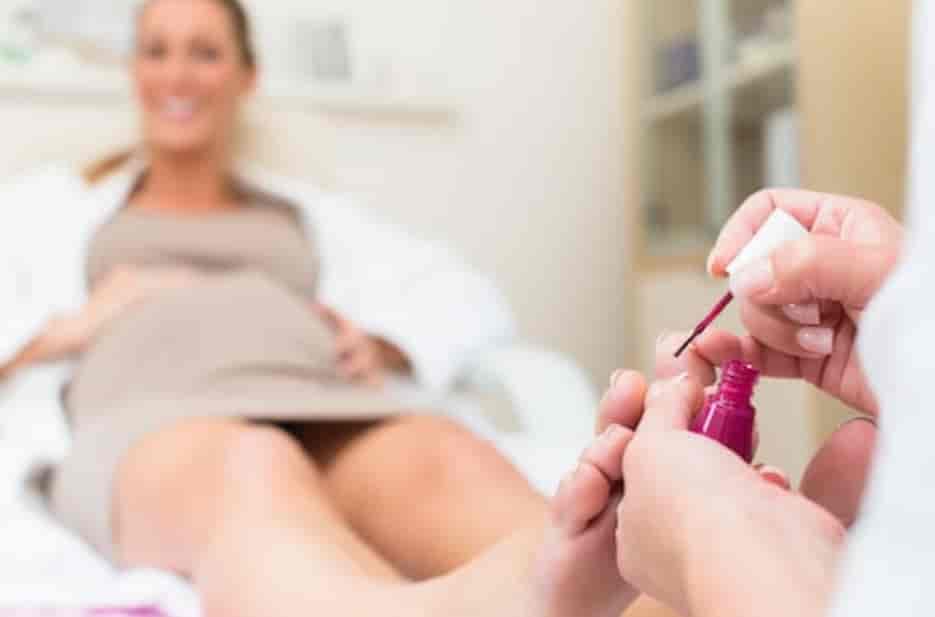
This article explains whether pedicures are safe during pregnancy, the benefits and possible risks, when you should avoid a pedicure, and the best ways to protect yourself and your baby. It also answers common questions about foot massage, nail products, and salon safety so you can make an informed decision with confidence.
Are Pedicures Safe During Pregnancy?
Yes, pedicures are generally safe during pregnancy for healthy women when they are performed in a clean, well-maintained salon that follows proper hygiene practices. Pregnancy itself does not make a standard pedicure unsafe. Instead, the biggest concerns are exposure to contaminated tools, poor ventilation, and individual medical conditions that increase the risk of complications. If you have a high-risk pregnancy, diabetes, severe swelling, or signs of a skin infection, ask your obstetrician before booking an appointment.
The safety of a pedicure depends more on the environment than on the treatment itself. Nail clippers, cuticle nippers, and foot files can introduce bacteria or fungi if they are not properly sterilized between clients. In addition, some nail salons use products that release strong chemical fumes. Although occasional exposure during a routine pedicure has not been shown to harm a healthy pregnancy, sitting in a well-ventilated area helps minimize unnecessary inhalation and improves overall comfort.
Most pregnant women can continue getting pedicures throughout pregnancy by taking a few practical precautions. Choose a reputable salon that disinfects reusable instruments, avoid aggressive cuticle cutting that may break the skin, and let the technician know that you are pregnant before the treatment begins. If you experience dizziness, shortness of breath, uterine contractions, or any unusual discomfort during the appointment, stop the service immediately and contact your healthcare provider if symptoms persist.
What Are the Benefits of Getting a Pedicure While Pregnant?
A pedicure offers several benefits during pregnancy, including improved foot comfort, healthier skin and nails, reduced stress, and easier foot care as the abdomen grows larger. These benefits become more noticeable during the second and third trimesters, when swollen feet and difficulty reaching the toes are common. While a pedicure is not a medical treatment, it can make routine foot care more manageable and comfortable.
Many pregnant women develop mild swelling in their feet and ankles because the body retains more fluid and the growing uterus places additional pressure on blood vessels. A gentle foot soak, careful nail trimming, and light moisturizing can help reduce discomfort and improve the appearance of the feet. In addition, keeping toenails properly trimmed lowers the risk of ingrown toenails, while regular skin care helps prevent cracked heels and dry skin that may become painful over time.
A professional pedicure can also support emotional well-being. Pregnancy often brings physical fatigue and emotional stress, and setting aside time for self-care may promote relaxation. However, comfort should always come before cosmetic results. Avoid treatments that involve excessive heat, prolonged pressure on sensitive areas, or harsh chemical exposure. Choosing a qualified technician and communicating any discomfort throughout the appointment helps ensure that the experience remains both relaxing and safe.
What Are the Risks of Getting a Pedicure During Pregnancy?
The main risks of getting a pedicure during pregnancy include infection, chemical exposure, skin irritation, and discomfort caused by improper foot massage. These risks are uncommon when a salon follows strict hygiene standards, but they can increase if tools are not sterilized or if the skin is accidentally cut during the procedure. Women with weakened immunity, diabetes, or existing foot conditions should be especially cautious because even a minor infection may require medical treatment.
Poor salon hygiene is the most significant concern. Reusable instruments that have not been properly disinfected can spread bacteria, fungi, or viruses from one client to another. In addition, cutting the cuticles or removing too much skin around the nails creates small openings that allow microorganisms to enter the body. Pregnant women should also avoid whirlpool foot baths that are not thoroughly cleaned, as they may harbor harmful bacteria if maintenance is inadequate.
Chemical exposure is another factor to consider, although the overall risk from an occasional pedicure is considered low. Nail polish, polish removers, and other salon products may contain volatile organic compounds that produce strong fumes. Choosing a well-ventilated salon, limiting unnecessary exposure to strong odors, and stopping the treatment if you develop dizziness, nausea, or headaches can help make the experience safer and more comfortable throughout pregnancy.
Is Foot Massage During Pregnancy Safe?
A gentle foot massage is generally safe during pregnancy, especially for women with healthy, uncomplicated pregnancies. Many expectant mothers use foot massage to relieve muscle tension, reduce foot fatigue, and improve overall comfort. However, the massage should be gentle rather than deep, and it should stop immediately if it causes pain, dizziness, or uterine contractions. Women with a high-risk pregnancy should ask their healthcare provider before receiving any type of massage.
One of the most common concerns is whether a foot massage can trigger labor by stimulating pressure points. Current scientific evidence does not show that a routine foot massage induces labor in healthy pregnancies. While reflexology practitioners believe that certain pressure points may influence the body, clinical studies have not demonstrated that a standard salon foot massage causes labor to begin. Even so, many healthcare professionals recommend avoiding deep pressure around the ankles and lower legs as a precaution, particularly during late pregnancy or if preterm labor is a concern.
The safest approach is to communicate with the nail technician before the treatment begins. Let them know that you are pregnant and ask for a light, relaxing massage instead of deep tissue techniques. If you have preeclampsia, severe swelling, a history of blood clots, vaginal bleeding, or any pregnancy complications, skip the foot massage unless your obstetrician specifically says it is appropriate. Prioritizing comfort and following your healthcare provider’s advice helps ensure that the experience remains both safe and enjoyable.
Which Nail Products Are Considered Safer During Pregnancy?
Most nail products can be used occasionally during pregnancy when they are applied in a well-ventilated area and according to the manufacturer’s instructions. The amount of chemicals absorbed from routine nail polish use is considered very low. Nevertheless, reducing unnecessary exposure remains a sensible precaution, particularly during the first trimester when the baby’s organs are developing.
Traditional nail polish, acetone-based removers, gel polish, and acrylic nail products all contain different chemical ingredients. Current evidence has not shown that occasional salon use increases the risk of birth defects in healthy pregnancies. However, products that release strong fumes may cause headaches, nausea, or eye irritation, especially in poorly ventilated salons. Choosing products labeled 3-free, 5-free, or 10-free can further reduce exposure to ingredients such as formaldehyde, toluene, and dibutyl phthalate, which many pregnant women prefer to avoid.
If you regularly receive gel or acrylic pedicures, pay attention to both ventilation and skin health. Ultraviolet lamps used to cure gel polish expose only a small area of skin for a short period, but wearing sunscreen on the feet or UV-protective gloves with exposed toes can provide additional protection. More importantly, avoid any nail product if it causes redness, itching, burning, or an allergic reaction, and seek medical advice if symptoms do not improve after the treatment.
When Should Pregnant Women Avoid Getting a Pedicure?
Some pregnant women should postpone or avoid a pedicure until they receive medical advice. While a routine pedicure is safe for most healthy pregnancies, certain medical conditions increase the risk of infection or other complications. If your pregnancy is considered high risk, your healthcare provider can determine whether a pedicure is appropriate based on your individual health.
You should avoid getting a pedicure if you have an open wound, an infected ingrown toenail, athlete’s foot, or any other skin infection affecting your feet or lower legs. Even a small cut can become a pathway for bacteria, particularly if salon tools are not properly sterilized. Women with diabetes should also be cautious because reduced sensation and slower wound healing increase the likelihood of foot complications. In addition, severe swelling, sudden swelling accompanied by headaches or vision changes, and symptoms of preeclampsia require medical evaluation rather than a visit to the nail salon.
It is also best to postpone a pedicure if you have vaginal bleeding, signs of preterm labor, severe dizziness, or any condition that requires activity restrictions during pregnancy. If you are unsure whether a pedicure is safe, consult your obstetrician before scheduling an appointment. Waiting until your condition is stable is a safer choice than exposing yourself to unnecessary risks.
How Can You Get a Safe Pedicure During Pregnancy?
You can make a pedicure safer during pregnancy by choosing a reputable salon, reducing the risk of infection, and prioritizing your comfort throughout the appointment. Most potential problems can be prevented with simple precautions before and during the treatment.
Choose a salon that follows strict hygiene standards and has good ventilation. Ask whether reusable tools are sterilized in an autoclave after each client, or bring your own nail instruments if possible. Avoid salons with dirty foot baths, strong chemical odors, or technicians who rush through cleaning procedures. A clean environment is one of the most important factors in preventing bacterial and fungal infections.
Protect your skin during the pedicure by avoiding aggressive cuticle trimming or shaving your legs within 24 hours before your appointment, as small nicks increase the risk of infection. Drink enough water, change your sitting position if you become uncomfortable, and ask for breaks if you need to stretch your legs. Finally, tell the technician that you are pregnant so they can avoid deep pressure during the foot massage and adjust the treatment to keep you comfortable.
Can You Do a Pedicure at Home During Pregnancy?
Yes, doing a pedicure at home is a safe option during pregnancy and may further reduce the risk of infection and chemical exposure. A home pedicure allows you to control the cleanliness of the tools, choose the products you use, and avoid crowded salons with poor ventilation. It is an excellent alternative for women who have sensitive skin, are concerned about hygiene, or simply prefer a more comfortable environment.
Before starting, wash your hands and feet thoroughly, and disinfect all nail tools with alcohol or another appropriate disinfectant. Trim your toenails straight across to reduce the risk of ingrown nails, then gently file the edges to smooth sharp corners. Avoid cutting the cuticles because they form a natural barrier that helps protect the nail from bacteria and fungi. Instead, soften them with warm water and gently push them back if necessary.
Pregnancy can make it difficult to reach your feet, especially during the third trimester. If bending forward causes back pain, dizziness, or shortness of breath, ask your partner or a family member for assistance instead of forcing an uncomfortable position. Keep the room well ventilated if you apply nail polish, and stop immediately if you experience headaches, nausea, or irritation from the product’s fumes.
How Should You Care for Your Feet Throughout Pregnancy?
Daily foot care helps reduce discomfort and lowers the risk of common foot problems during pregnancy. Hormonal changes, weight gain, and fluid retention place extra stress on the feet, making swelling, dry skin, and foot fatigue more common as pregnancy progresses. A simple daily routine can help keep your feet healthy and comfortable.
Wash your feet every day with mild soap and lukewarm water, then dry them carefully, especially between the toes. Apply a fragrance-free moisturizer to prevent dry, cracked skin, but avoid putting lotion between the toes because excess moisture can encourage fungal growth. Wear supportive shoes with adequate cushioning and choose breathable socks that help keep your feet dry throughout the day.
If your feet become swollen, elevate them whenever possible and avoid standing or sitting in the same position for long periods. Light walking, regular stretching, and staying well hydrated can also help improve circulation. However, contact your healthcare provider if swelling develops suddenly, affects only one leg, or is accompanied by severe pain, redness, headaches, or vision changes, as these symptoms may indicate a condition that requires prompt medical evaluation.
What Symptoms After a Pedicure Should Prompt You to Contact a Doctor?
Contact your healthcare provider if you develop signs of infection, an allergic reaction, or unusual pregnancy symptoms after a pedicure. Although complications are uncommon, early medical evaluation can prevent minor problems from becoming more serious.
Warning signs include increasing redness, warmth, swelling, pus, bleeding that does not stop, severe pain around the toenail, or a fever after the procedure. These symptoms may indicate a bacterial infection that requires treatment. You should also seek medical advice if you develop a widespread rash, persistent itching, difficulty breathing, or facial swelling after using nail products, as these symptoms could indicate an allergic reaction.
Pregnancy-related symptoms should never be ignored, even if they appear shortly after a pedicure. Contact your healthcare provider immediately if you experience regular uterine contractions before term, vaginal bleeding, leakage of fluid, severe dizziness, chest pain, sudden swelling of the face or hands, or decreased fetal movement after your baby’s movements have become established. These symptoms are unlikely to be caused by the pedicure itself, but they require prompt medical assessment regardless of when they occur.
Frequently Asked Questions About Pedicures During Pregnancy
Can I Get a Pedicure During the First Trimester?
Yes, you can generally get a pedicure during the first trimester if your pregnancy is healthy. There is no evidence that a routine pedicure increases the risk of miscarriage or harms fetal development. However, many women experience nausea and heightened sensitivity to odors during early pregnancy. If strong chemical smells make you uncomfortable, choose a salon with excellent ventilation or postpone the appointment until you feel better.
Is It Safe to Get a Pedicure Near My Due Date?
Yes, a pedicure is usually safe during the final weeks of pregnancy. Many women schedule one shortly before delivery because it becomes difficult to trim their toenails as the abdomen grows larger. The key is to avoid prolonged sitting in uncomfortable positions, drink enough water, and request a gentle foot massage instead of deep pressure. If your healthcare provider has advised against non-essential activities because of pregnancy complications, follow that recommendation instead.
Can Pregnant Women Use Massage Chairs at Nail Salons?
Massage chairs are generally safe for most pregnant women when used at a comfortable setting. The vibration from a standard salon massage chair has not been shown to cause pregnancy complications. However, if the massage feels too intense or causes discomfort in your lower back or abdomen, turn it off or reduce the intensity. Women with high-risk pregnancies should ask their healthcare provider if they have any concerns before using a massage chair.
Is Regular Nail Polish Safer Than Gel Polish?
Both regular nail polish and gel polish are considered low risk when used occasionally during pregnancy. The main difference is that gel polish requires curing under a UV or LED lamp and usually involves additional chemical products during application and removal. If you choose gel polish, visit a well-ventilated salon and avoid prolonged exposure to chemical fumes. If you notice redness, itching, or irritation after any nail product is applied, remove the product and seek medical advice if symptoms persist.
Should I Avoid Essential Oils During a Pedicure?
Some essential oils should be used with caution during pregnancy. While diluted essential oils used for relaxation are unlikely to cause problems for most healthy pregnancies, certain oils may not be recommended because of their potential biological effects or limited safety data. If aromatherapy is offered during your pedicure, ask which oils will be used and decline any product that contains ingredients your healthcare provider has advised you to avoid. Unscented lotions and fragrance-free moisturizers are often the safest choice for women with sensitive skin or fragrance sensitivity during pregnancy.