
Toddler jealousy after a new baby arrives is a common emotional response when a child experiences a major change in family life. A toddler may feel jealous because the attention, routines, and relationship with parents suddenly change after the newborn becomes part of the family. This reaction does not mean the child dislikes the baby. It usually shows that the toddler is trying to understand a new role and find reassurance that they are still loved and valued.
Managing toddler jealousy requires more than asking a child to “be a big sibling.” Toddlers are still developing emotional regulation skills, so they need support to express difficult feelings in a safe way. Parents can reduce jealousy by recognizing emotions, maintaining connection, and creating positive experiences between the toddler and the new baby.
This guide explains why toddlers feel jealous after a sibling is born, how to identify common signs of jealousy, and which parenting strategies help children adjust. By understanding the reasons behind toddler behavior, parents can create a smoother transition and support a healthier sibling relationship.
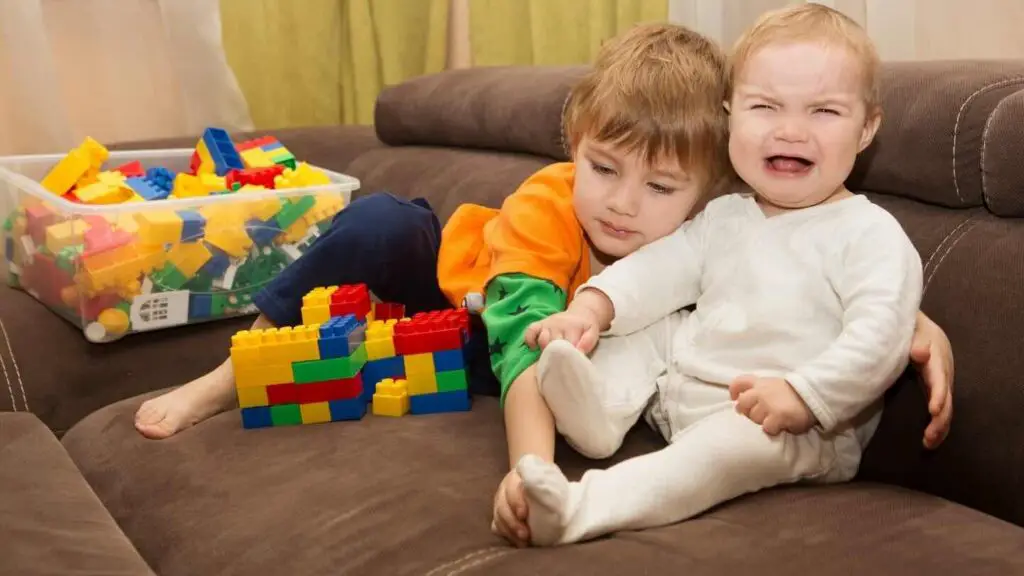
Why do toddlers feel jealous after a new baby arrives?
Toddler jealousy after a new baby arrives happens because the child experiences a sudden change in attention, routine, and emotional security. Toddlers often feel jealous when they believe they are losing their special connection with their parents or their previous position in the family. At this age, children are still developing emotional regulation skills, so they usually express insecurity through behavior rather than through clear explanations.
Before the baby arrives, many toddlers are used to receiving predictable attention from parents. They may have routines such as bedtime stories, playtime, feeding rituals, or daily activities that create a sense of safety. When a newborn requires frequent feeding, holding, and care, toddlers notice that their parents spend more time with the baby. The child may interpret this change as a reduction in love, even though the parent’s love has not changed.
A toddler’s understanding of relationships is also different from an older child’s understanding. Young children often think in terms of immediate experiences, such as “Mom is holding the baby, not me” or “Dad is busy with the baby instead of playing with me.” They may not yet understand that parents can love two children equally while giving different types of care based on each child’s needs.
The arrival of a sibling also changes a toddler’s identity within the family. A child who was previously the only child may suddenly become the “older sibling,” which creates new expectations. Adults may encourage the toddler to be more independent or responsible, but the child may still need reassurance and support because they are still developing emotionally.
Another reason toddlers experience jealousy is that newborns receive attention without needing to communicate or cooperate. A baby may be held, comforted, and praised simply for existing, while toddlers are often asked to wait, follow rules, or behave appropriately. This difference can create frustration because toddlers may feel that the baby receives more positive attention.
Understanding these causes helps parents respond to jealousy as an emotional need rather than as bad behavior. When parents recognize that jealousy often comes from insecurity and a need for connection, they can use strategies that help toddlers feel included, valued, and emotionally safe.
What are the signs that a toddler is jealous of a new baby?
The signs of toddler jealousy after a new baby arrives usually appear through changes in behavior, emotions, and daily routines. Toddlers often show jealousy by seeking more attention, becoming more dependent, or reacting negatively to the changes caused by the new sibling. These behaviors are not always intentional attempts to create problems. They are often ways for young children to communicate insecurity or a need for reassurance.
One common sign is increased attention-seeking behavior. A toddler may interrupt when parents are feeding or holding the baby, demand help with tasks they previously completed independently, or suddenly want extra physical contact. For example, a toddler who previously played alone may start asking a parent to stay nearby constantly after the newborn arrives. This behavior happens because the child connects parental attention with emotional safety and wants confirmation that they are still important.
Another sign of jealousy is emotional outbursts such as tantrums, crying, or sudden frustration. Toddlers may become upset when parents spend time caring for the baby because they cannot fully explain feelings like disappointment or fear of being replaced. Instead of saying, “I feel less important since the baby came,” they may express the emotion through shouting, refusing requests, or becoming unusually sensitive.
Regression is also a common response when toddlers adjust to a new sibling. Toddler regression after a new baby can include changes in sleep, toilet training, eating habits, or communication skills. A child who was sleeping independently may suddenly ask for more help at bedtime, or a child who was toilet trained may begin having accidents again. Regression often occurs because returning to earlier behaviors can bring comfort and remind the child of a time when they received more direct care.
Some toddlers show jealousy through negative behavior toward the baby. This may include trying to interrupt interactions, taking away the baby’s items, pushing, or attempting to hurt the newborn. These actions require clear boundaries because the toddler’s feelings are acceptable, but unsafe behavior is not. Parents should respond by acknowledging the emotion while teaching safer ways to express frustration.
Parents should also recognize that the intensity of jealousy depends on factors such as the toddler’s age, personality, attachment with caregivers, and the amount of family change happening at the same time. A toddler experiencing a new baby, a new routine, and reduced parental availability may need more support during the adjustment period.
Understanding these signs allows parents to respond earlier and more effectively. Instead of labeling the toddler as difficult or spoiled, parents can identify the underlying emotional need and provide strategies that help the child feel secure while adapting to life with a new sibling.
How can parents prepare a toddler for a new baby?
Preparing a toddler for a new baby helps reduce confusion and creates a smoother emotional transition before the sibling arrives. Parents can prepare toddlers by explaining the upcoming change, involving them in the process, and maintaining a sense of security throughout the transition. A toddler who understands what will happen is more likely to adjust because the new baby feels like a predictable family change rather than an unexpected disruption.
One important step is explaining the arrival of the baby in a way that matches the toddler’s developmental level. Toddlers usually understand simple and concrete information better than abstract explanations. Parents can talk about the baby growing inside the mother, explain that newborns sleep and cry often, and describe specific changes that will happen after birth. For example, telling a toddler that “the baby will need milk and naps, but we will still have our special playtime” provides realistic expectations.
Parents should avoid creating unrealistic expectations about the new sibling. Statements such as “your baby brother will be your best friend” may sound positive, but toddlers may become disappointed when they realize newborns cannot immediately play or interact with them. A more accurate explanation helps children understand that building a sibling relationship takes time.
Involving toddlers in small parts of the preparation process can also increase their sense of belonging. Simple activities such as choosing baby clothes, looking at ultrasound pictures, or helping organize baby items allow toddlers to feel included in the family transition. However, parents should avoid making the toddler feel responsible for caring for the baby. The goal is participation, not replacing the parent’s role.
Maintaining existing routines is another important preparation strategy. Toddlers rely on predictable patterns because routines provide emotional stability. If possible, parents should continue familiar activities such as bedtime routines, regular meals, and one-on-one activities before and after the baby arrives. These consistent experiences remind toddlers that their relationship with their parents remains secure.
Parents can also prepare toddlers emotionally by introducing the idea that all feelings are acceptable. A child may feel excited about becoming an older sibling and still feel worried, angry, or jealous at the same time. Teaching toddlers that difficult emotions are normal helps them develop emotional regulation skills and makes it easier for them to express feelings safely after the baby arrives.
Preparing a toddler before birth does not eliminate all jealousy, because adjustment requires time and experience. However, early preparation reduces uncertainty and helps the child develop confidence in their new role as an older sibling.
How can parents manage toddler jealousy after bringing a baby home?
Managing toddler jealousy after bringing a baby home requires parents to focus on emotional connection, clear boundaries, and consistent reassurance. Parents can reduce toddler jealousy by helping the older child feel secure, valued, and included while adjusting to the new family dynamic. The goal is not to remove all jealous feelings because jealousy is a normal emotion. The goal is to teach toddlers that difficult feelings can exist while the family relationship remains safe.
One of the most effective strategies is creating regular one-on-one time with the toddler. After a new baby arrives, many parents naturally spend more time meeting the newborn’s needs, but toddlers still need moments where they receive undivided attention. Even short periods of focused interaction, such as reading a book together, playing for 10 minutes, or having a bedtime routine, can strengthen the child’s sense of connection. These moments show the toddler that the arrival of the baby has changed the schedule but has not changed their importance.
Maintaining familiar routines also helps toddlers manage the transition. Young children often depend on predictable activities to feel emotionally secure. Keeping regular meal times, bedtime habits, and family rituals gives toddlers a stable structure during a period of major change. For example, if a parent continues a familiar bedtime song or story after the baby arrives, the toddler receives a clear message that some important parts of their life remain unchanged.
Parents should also validate the toddler’s feelings before correcting behavior. Emotional validation helps toddlers understand that feeling jealous, angry, or frustrated is acceptable, while unsafe actions are not. Instead of saying “Don’t be jealous” or “You are a big sibling now,” parents can acknowledge the emotion by saying, “It is hard when I need to hold the baby. You wanted time with me too.” This response helps children develop emotional awareness and teaches them healthier ways to communicate their needs.
When toddlers display jealousy through challenging behavior, parents need to separate emotions from actions. A child may feel angry about sharing attention, but hitting, pushing, or hurting the baby requires immediate boundaries. Parents can calmly explain the limit, such as “You can feel upset, but you cannot hit the baby,” and then provide an alternative behavior, such as asking for help, using words, or requesting time with a parent.
Another important strategy is avoiding comparisons between the toddler and the newborn. Statements such as “The baby is easier” or “You are older, so you should know better” may increase resentment because toddlers may feel criticized instead of supported. Positive reinforcement works better when parents notice specific behaviors, such as gentle touching, helping with small tasks, or showing kindness toward the baby.
Parents should also protect the toddler’s identity outside the role of older sibling. A toddler is still developing their own interests, abilities, and personality. Encouraging activities unrelated to the baby, such as playing, creating art, or spending time with family members, reminds the child that they are valued as an individual and not only because they are a sibling.
Managing jealousy is a gradual process rather than a single conversation or action. Toddlers need repeated experiences showing that love, attention, and family connection remain available after the baby arrives. With consistent support, most children learn to adapt to their new role and develop a healthier relationship with their sibling.
How can parents help toddlers build a positive relationship with a new baby?
Helping toddlers build a positive relationship with a new baby requires parents to create repeated positive interactions instead of expecting an immediate bond. Parents can support sibling bonding by helping toddlers feel included, encouraging gentle interactions, and allowing the relationship to develop naturally over time. A strong sibling relationship usually grows through daily experiences where the toddler associates the baby with positive emotions rather than competition for attention.
One effective strategy is allowing toddlers to participate in simple interactions with the baby. Parents can invite toddlers to help with small, safe tasks such as choosing a blanket, bringing a diaper, or singing to the baby. These activities help toddlers feel like an important part of the family instead of feeling replaced by the newborn. However, participation should always remain optional because forcing a child to interact may create more resistance.
Parents should focus on praising specific positive behaviors rather than only correcting negative ones. When a toddler gently touches the baby, shows interest, or uses kind words, parents can acknowledge the behavior directly. For example, saying “You were very gentle when you touched the baby’s hand” teaches the toddler which actions create positive interactions. This approach strengthens desired behaviors and helps the toddler understand their role as an older sibling.
It is also important to avoid forcing affection between siblings. Toddlers should not be required to hug, kiss, or constantly show excitement about the baby. Respecting the toddler’s pace allows genuine attachment to develop because children build relationships through repeated positive experiences. A toddler may need time to observe and adjust before showing strong interest in the newborn.
Parents can create bonding opportunities by including both children in shared family activities. Simple moments such as reading a book while the baby is nearby, taking family walks, or playing together on the floor allow toddlers to experience the baby as part of normal family life. These interactions help reduce the idea that the baby only represents lost attention.
Another important factor is protecting the toddler’s special connection with parents. A positive sibling relationship develops more easily when the toddler does not feel that the baby has taken away their place in the family. Continuing individual activities, showing affection, and recognizing the toddler’s achievements reinforce emotional security.
Building a relationship between siblings is a gradual developmental process. A toddler may not immediately show love or interest toward the new baby, and this does not predict the future quality of their relationship. With patient guidance, consistent reassurance, and positive experiences, toddlers can gradually develop acceptance, affection, and cooperation with their younger sibling.
What parenting mistakes can increase toddler jealousy after a new baby?
Certain parenting approaches can unintentionally increase toddler jealousy after a new baby arrives. Parents may strengthen feelings of insecurity when toddlers feel ignored, compared, or pressured to adjust faster than they are emotionally ready. Understanding these mistakes helps parents create a smoother transition and prevent normal sibling adjustment challenges from becoming long-term resentment.
One common mistake is expecting toddlers to immediately act like a mature older sibling. Parents may say phrases such as “You are a big kid now” or expect the toddler to always be patient because the baby needs more care. While encouraging independence is important, toddlers are still young children who need emotional support. When a child feels that becoming an older sibling means losing permission to need help, they may associate the baby’s arrival with increased pressure and reduced attention.
Another mistake is comparing the toddler with the newborn. Statements such as “The baby is quieter than you” or “The baby does not cause problems like you do” can create negative feelings toward the sibling. Toddlers often interpret comparisons as signs that they are less loved or less valued. Parents should focus on guiding specific behaviors instead of judging the child’s personality.
Ignoring positive behavior while only responding to negative behavior can also increase jealousy. Some toddlers discover that acting out is the fastest way to receive attention because parents immediately react when they cry, interrupt, or misbehave. If parents only provide attention during difficult moments, the toddler may continue using negative behaviors as a way to reconnect. Recognizing positive actions, such as gentle interactions with the baby or independent play, encourages healthier ways of seeking attention.
Another mistake is excluding the toddler from family changes completely. Some parents avoid involving the older child because they worry the toddler may interfere with the baby’s care. However, complete exclusion can make the toddler feel separated from an important part of family life. Allowing safe participation, such as choosing baby items or sitting nearby during caregiving, helps the child feel included.
Parents may also underestimate the importance of maintaining the toddler’s existing routines. After a newborn arrives, schedules often become unpredictable, but removing all familiar activities can increase stress. Toddlers use routines as emotional anchors because predictable experiences help them understand what will happen next. Keeping important rituals, such as bedtime routines or regular playtime, provides stability during the transition.
Finally, dismissing toddler emotions can make jealousy stronger. Telling a child “You should be happy” or “There is nothing to be upset about” does not remove the feeling. It only teaches the toddler that certain emotions are unacceptable. A better approach is acknowledging the feeling while guiding the behavior, such as explaining that it is okay to feel frustrated but not okay to hurt the baby.
Avoiding these mistakes does not mean preventing every moment of jealousy. Toddler jealousy is a normal response to a major family change. The goal is to create an environment where the child feels secure enough to express emotions and learn healthier ways to adapt.
When should parents seek help for toddler jealousy?
Toddler jealousy after a new baby is usually a normal adjustment response, but some situations require additional support from professionals. Parents should seek help when jealousy leads to persistent emotional distress, unsafe behavior, or significant changes that affect the toddler’s daily life. Early support can help families understand the child’s needs and prevent emotional challenges from becoming more difficult over time.
One situation that requires attention is when a toddler repeatedly tries to harm the baby or cannot control aggressive behavior. Occasional frustration or curiosity is common, but actions such as hitting, kicking, biting, or intentionally putting the baby in unsafe situations need immediate guidance. Parents should create clear safety boundaries and consider professional advice if aggressive behavior continues despite consistent support and supervision.
Parents should also seek support when regression becomes severe or lasts for an extended period. Temporary changes in sleep, eating, or toilet training can happen after a major family transition. However, if the toddler experiences ongoing difficulties that interfere with daily routines, relationships, or emotional well-being, it may indicate that the child needs additional help adjusting to the change.
Another reason to seek guidance is when the toddler shows strong signs of emotional distress. These signs may include extreme withdrawal, constant sadness, intense anxiety, frequent emotional outbursts, or a significant loss of interest in activities they previously enjoyed. These behaviors may indicate that the child is struggling to process the family transition and needs more support than routine parenting strategies can provide.
Parents should also consider seeking advice when they feel overwhelmed by the situation. Managing a newborn and a toddler at the same time can create significant stress, and parental stress can influence the emotional environment at home. A pediatrician, child development specialist, or parenting professional can provide strategies based on the toddler’s specific needs.
It is important for parents to remember that seeking help does not mean the toddler’s behavior is abnormal or that parenting has failed. Professional support provides additional tools to understand toddler emotions, improve family interactions, and strengthen the child’s sense of security. Many adjustment challenges improve when children receive consistent support and parents have clear strategies for responding.
Most toddlers gradually adapt to having a new sibling when their emotional needs are recognized. The key factors are patience, predictable routines, positive attention, and appropriate guidance when challenges become more serious.
How can parents help toddlers adjust after a new baby arrives?
Helping a toddler adjust after a new baby arrives is a gradual process that requires patience, consistency, and emotional support. Toddlers usually adapt better when they feel secure in their relationship with their parents and understand that the new baby does not replace their place in the family. Jealousy is a normal emotion during this transition, but the way parents respond determines how children learn to manage those feelings.
The most effective approach combines several strategies: maintaining connection through one-on-one time, acknowledging emotions, keeping familiar routines, setting clear boundaries, and creating positive sibling experiences. These actions help toddlers develop emotional security while learning how to share attention and adapt to their new role as an older sibling.
Parents should also remember that sibling bonding does not happen instantly. Some toddlers show affection toward a newborn immediately, while others need more time to observe and adjust. Both responses can be normal. A healthy sibling relationship develops through repeated positive interactions, not through pressure or expectations.
By supporting the toddler’s emotional needs while introducing the new family dynamic, parents can reduce jealousy and encourage cooperation. The goal is not to eliminate every difficult feeling but to help children understand that they are still loved, valued, and an important part of the family after the arrival of a new baby.