
A shy toddler does not lack confidence. Many children need more time to observe new people, unfamiliar environments, or group activities before they feel comfortable participating. Shyness is often part of a child’s temperament, and the right support from parents can help toddlers gradually develop social confidence without feeling pressured to change who they are.
Helping a shy toddler gain confidence starts with creating emotional safety, encouraging small steps, and providing opportunities for positive experiences. Parents can support their children by responding calmly to hesitation, celebrating effort, and allowing toddlers to build independence at their own pace.
This guide explains 10 gentle strategies that help shy toddlers become more confident in everyday situations. These approaches focus on strengthening the parent-child relationship, improving social skills, and helping children feel capable when exploring new experiences. Instead of forcing toddlers to become outgoing, parents can create an environment where confidence develops naturally through trust, practice, and encouragement.
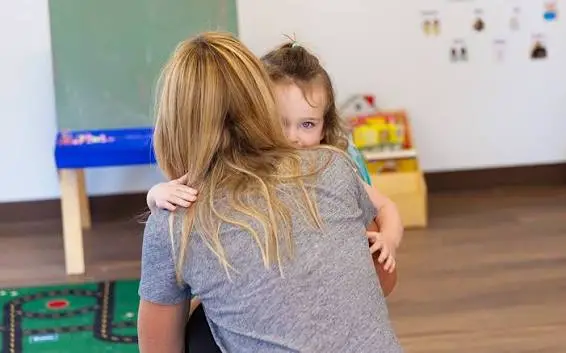
Why Are Some Toddlers Shy in New Situations?
Some toddlers are shy in new situations because they need more time to understand unfamiliar people, environments, and social expectations. Toddler shyness is often a normal temperament trait rather than a sign that a child lacks confidence. Children develop different comfort levels when approaching new experiences, and some toddlers prefer to observe first before joining an activity.
A toddler’s temperament influences how they respond to changes around them. Some children naturally seek interaction immediately, while others watch, listen, and process the situation before participating. For example, a toddler entering a new playground may stand near their parent for several minutes before approaching other children. This observation period allows the child to understand the environment and decide when they feel ready to engage.
New situations can also trigger uncertainty because toddlers are still developing emotional regulation skills. A child between 1 and 3 years old is learning how to manage unfamiliar emotions, communicate needs, and understand social interactions. Meeting new adults, joining a group activity, or starting preschool can feel overwhelming because these experiences require skills that are still developing.
Parents should understand that shyness and low confidence are different. A shy toddler may feel cautious in unfamiliar situations but still develop strong self-esteem with supportive experiences. Confidence grows when children repeatedly experience success, feel accepted, and learn that they can handle new challenges.
The goal is not to remove shyness from a toddler’s personality. Instead, parents can help children build confidence by creating safe opportunities to explore, interact, and practice new skills gradually.
How Can Parents Help Shy Toddlers Feel Safe and Supported?
Parents help shy toddlers gain confidence by creating a safe emotional environment where children feel accepted, understood, and comfortable exploring new experiences. Emotional safety is the foundation that allows toddlers to develop confidence because children are more willing to try new things when they trust that their feelings will be respected.
A toddler who feels supported by their parents learns that unfamiliar situations are manageable. When a child hides behind a parent at a playground or refuses to join a group activity, the first response should not be pressure or criticism. A supportive response acknowledges the child’s feelings and provides reassurance. For example, a parent can say, “You need some time to watch first. We can join when you feel ready,” instead of saying, “Don’t be shy.”
Positive parent responses help toddlers build emotional regulation skills. Young children often rely on their caregivers to understand and manage difficult emotions. When parents remain calm during moments of hesitation, toddlers learn that new situations are not dangerous and that they have support while facing challenges.
Parents should also avoid labeling toddlers as “shy children.” A label can influence how children view themselves and may make them believe that being shy is a fixed part of their identity. Instead of describing a child’s personality, parents can describe the specific situation. Saying “You are taking time to warm up” gives children a temporary and changeable perspective.
Building confidence also requires giving toddlers opportunities to make small decisions and experience success. Simple choices, such as choosing a toy, greeting a familiar person, or helping with a household task, allow children to develop a sense of independence. These small achievements create evidence that they are capable, which gradually strengthens self-confidence.
The parent-child relationship plays a major role in how toddlers approach the world. Children who experience consistent encouragement, patience, and acceptance are more likely to explore new environments at their own pace. Confidence develops through repeated positive experiences rather than through forcing children into uncomfortable situations.
What Are the Best Ways to Help Shy Toddlers Gain Confidence?
Parents can help shy toddlers gain confidence by using gentle strategies that allow children to experience success through small, manageable steps. There are 10 effective ways to build confidence in shy toddlers: encouraging independence, praising effort, creating positive experiences, practicing social situations, and respecting each child’s temperament.
The first step is encouraging small steps toward independence. Toddlers develop confidence when they discover that they can complete tasks on their own. Simple responsibilities, such as choosing between two outfits, putting toys away, carrying a small item, or helping prepare a snack, give children opportunities to practice decision-making and problem-solving. Each successful experience creates a stronger belief that they are capable.
Parents should also praise effort rather than personality. Saying “You were brave when you tried talking to your new friend” teaches a toddler that confidence comes from actions and practice. In contrast, saying “You are such a brave child” focuses only on identity and may create pressure for the child to always appear confident. Effort-based encouragement helps toddlers understand that skills improve over time.
Creating predictable routines can also make shy toddlers feel more comfortable. Toddlers often become more confident when they know what to expect because predictability reduces uncertainty. For example, a child attending a weekly playgroup may feel more comfortable after visiting the same place several times and learning the routine. Familiar environments give toddlers the mental space to focus on social interaction instead of worrying about what will happen next.
Parents can use play as a safe way to practice new experiences. Pretend play allows toddlers to rehearse social situations before encountering them in real life. A parent and child can practice saying hello, introducing a toy character, asking for help, or joining a game. These activities build communication skills while keeping the learning process enjoyable.
Modeling confident behavior is another powerful strategy. Toddlers learn by observing how their parents respond to unfamiliar situations. When parents greet others warmly, try new activities, and handle mistakes calmly, children see examples of confident behavior. This does not mean forcing toddlers to copy outgoing personalities; it shows them that new experiences can be approached with curiosity.
Parents should provide regular opportunities for positive social experiences without overwhelming their child. A shy toddler may respond better to playing with one familiar child before joining a large group. Gradual exposure helps children develop social confidence because each successful interaction becomes a foundation for the next challenge.
Respecting a toddler’s temperament is essential throughout this process. Confidence does not require a child to become the most talkative person in the room. A confident shy toddler may still prefer observing first, speaking less in groups, or taking time to warm up. The goal is to help children feel capable and secure while allowing their natural personality to develop.
How Can Parents Improve Social Skills in Shy Toddlers?
Parents can improve social skills in shy toddlers by creating gradual opportunities for interaction instead of forcing immediate participation. Shy toddlers develop social confidence when they have repeated positive experiences with communication, cooperation, and play in environments where they feel comfortable.
Social skills develop through practice, and toddlers need opportunities to learn how to approach others, share attention, express needs, and respond during interactions. A shy toddler may understand these skills but need more time and support before using them with unfamiliar people. For example, a child may talk freely with parents at home but become quiet around new children at a playground because the social environment feels unfamiliar.
Playdates are one effective way to help shy toddlers practice social interaction. Smaller groups are often easier for cautious children because they create fewer distractions and less social pressure. A playdate with one familiar child allows toddlers to practice taking turns, sharing toys, and communicating their preferences before participating in larger group activities.
Parents can also teach social skills by modeling and practicing everyday interactions. Toddlers learn by watching how adults communicate. Parents can demonstrate simple behaviors such as saying hello, asking questions, thanking others, and joining conversations. Practicing these situations through pretend play at home helps children understand what to expect when similar situations happen outside.
Encouraging communication about feelings also supports social confidence. Toddlers who can identify and express their emotions have an easier time communicating their needs during social situations. Parents can use simple phrases such as “I feel nervous,” “I need some time,” or “Can I play too?” to help children develop emotional vocabulary.
Gradual exposure is important when helping shy toddlers interact with others. Parents can start with familiar settings, such as visiting the same park regularly, meeting relatives, or attending short activities with small groups. As children become comfortable, they can slowly experience more challenging social environments.
Parents should measure progress by confidence and participation rather than how outgoing a child appears. A successful social experience does not always mean a toddler talks the most or joins every activity. A toddler who watches other children, approaches someone after a few minutes, or communicates a need has already taken an important step toward stronger social skills.
What Parenting Mistakes Should Parents Avoid With Shy Toddlers?
Parents should avoid certain reactions when supporting shy toddlers because negative experiences can make children feel less confident in social situations. The three common mistakes parents should avoid are forcing interaction, labeling children as shy, and protecting them from every uncomfortable experience. These approaches may come from a desire to help, but they can prevent toddlers from developing independence and social confidence.
One common mistake is forcing shy toddlers to socialize before they feel ready. Asking a child to immediately say hello, perform for relatives, or join a group activity can increase pressure and make new situations feel more stressful. Toddlers need time to observe and understand unfamiliar environments before participating. For example, a child visiting a birthday party for the first time may need several minutes to watch other children before deciding to play.
Parents can support social growth by offering invitations instead of demands. A phrase such as “Would you like to say hello when you are ready?” gives the child control while still creating an opportunity to interact. This approach teaches toddlers that social situations are manageable and that they can take steps forward when they feel prepared.
Another mistake is labeling a child as “shy.” Repeatedly describing a toddler as shy can influence how the child sees their own abilities and may create a fixed identity around avoiding social situations. Children often internalize the words adults use about them, especially when those words are repeated by parents or caregivers.
Instead of using labels, parents can describe specific behaviors and progress. Saying “You watched the children first and then joined the game” highlights growth and effort. This language helps toddlers recognize that confidence develops through experiences rather than being something they either have or do not have.
Parents should also avoid protecting shy toddlers from every challenging situation. While emotional support is important, removing all opportunities for children to try new things can limit confidence development. Toddlers build self-belief when they successfully handle small challenges, such as speaking to a new person, trying a new activity, or participating in a familiar group.
The goal is to create a balance between support and independence. Parents should provide reassurance while allowing toddlers to experience manageable challenges. A confident child is not a child who never feels nervous; a confident child is one who learns that they can handle new experiences with support.
What Activities Can Help Shy Toddlers Build Confidence?
Confidence-building activities help shy toddlers develop social skills, independence, and emotional awareness through safe and enjoyable experiences. The most effective activities for shy toddlers are pretend play, storytelling, creative activities, simple responsibilities, emotion exercises, and gradual social practice. These activities work because they allow children to practice new skills without the pressure of immediate performance.
Pretend play is one of the most useful activities for building confidence because toddlers can practice real-life situations in a comfortable environment. Role-playing scenarios such as greeting someone, ordering food, visiting a doctor, or inviting a friend to play help children understand social interactions before experiencing them in real situations. For example, a parent can use toys to act out a conversation between two characters and encourage the toddler to create their own responses.
Reading stories together can also support confidence development. Books introduce toddlers to different emotions, social situations, and problem-solving experiences. Parents can ask questions such as “How do you think this character feels?” or “What could they do next?” to help children practice emotional understanding and communication. Storytelling gives shy toddlers a way to express ideas without the pressure of speaking directly about themselves.
Creative activities such as drawing, building blocks, music, and crafts provide another opportunity for shy toddlers to experience success. These activities allow children to make choices, complete projects, and share their creations with others. A toddler who feels proud of a drawing or a structure they built learns that their ideas have value, which strengthens self-esteem.
Simple household responsibilities can also build confidence by showing toddlers that they are capable contributors. Tasks such as putting away toys, watering plants, sorting laundry, or helping prepare meals provide age-appropriate challenges. When parents recognize these efforts, toddlers develop a stronger sense of independence and competence.
Emotion-based activities help shy toddlers understand and communicate feelings. Parents can use emotion cards, facial expression games, or daily conversations about feelings to expand emotional vocabulary. A toddler who can say “I feel nervous” or “I need help” has more tools for handling unfamiliar social situations.
Parents can also create low-pressure opportunities for social practice. Visiting the same playground, attending small group activities, or spending time with familiar children allows toddlers to gradually become comfortable around others. Repeated positive experiences teach children that social environments can be safe and enjoyable.
The purpose of these activities is not to turn a shy toddler into an outgoing child. The goal is to help children trust their abilities, communicate their needs, and feel comfortable exploring the world around them. Confidence grows when toddlers repeatedly experience support, success, and acceptance.
When Should Parents Seek Extra Support for a Shy Toddler?
Parents should understand that shyness is a normal part of toddler development, but some situations may require additional support. Parents should seek extra support when a toddler’s fear, avoidance, or difficulty with social situations consistently interferes with daily activities, relationships, or emotional well-being.
A shy toddler may naturally need more time to warm up to new people, places, or activities. This behavior is common during early childhood because toddlers are still developing communication skills, emotional regulation, and independence. A child who watches others before joining a game, stays close to a parent in unfamiliar places, or prefers smaller groups is not necessarily experiencing a problem.
Parents should pay attention when avoidance becomes persistent and affects important parts of a child’s life. For example, additional guidance may be helpful if a toddler regularly avoids all interactions outside the immediate family, becomes extremely distressed in normal social situations, or cannot participate in activities that are appropriate for their developmental stage.
Strong and ongoing anxiety can also be a sign that a child needs more support. A toddler who experiences intense fear, frequent emotional distress, or difficulty recovering after unfamiliar experiences may benefit from guidance from a pediatrician or child development professional. The purpose of seeking support is not to label the child but to understand their needs and provide effective strategies.
Parents should also consider whether communication difficulties are affecting social confidence. Toddlers develop relationships through language, gestures, and emotional expression. If a child struggles significantly with expressing needs, responding to others, or engaging in age-appropriate communication, professional advice can help identify helpful next steps.
The most important factor is observing patterns over time rather than focusing on isolated moments. A toddler who feels nervous on the first day of preschool but gradually becomes comfortable is showing healthy adaptation. Confidence develops at different speeds, and supportive parenting combined with appropriate guidance can help children build the skills they need.
How Can Parents Support a Shy Toddler’s Confidence Long Term?
Parents can support a shy toddler’s confidence long term by focusing on consistent encouragement, emotional security, and opportunities for gradual growth. Confidence develops through repeated experiences where toddlers feel capable, supported, and accepted for who they are.
A shy toddler does not need to become the most social child in every situation. Healthy confidence means a child can express needs, try new experiences, recover from mistakes, and interact with others in a way that matches their personality. Some children naturally prefer observing before participating, and this behavior can continue alongside strong self-esteem.
The most effective approach is to combine patience with purposeful support. Parents can encourage independence through small responsibilities, strengthen social skills through play, and create safe opportunities for children to practice communication. These daily experiences help toddlers build a positive understanding of their own abilities.
Supporting a shy toddler is a gradual process rather than a quick change. Each small achievement, such as greeting a new person, joining a game, or trying a new activity, becomes a building block for future confidence. When parents provide acceptance and encouragement, shy toddlers can develop the emotional skills and self-belief needed to explore the world with greater comfort.