
Empathy is not a skill toddlers are born knowing—it develops gradually through everyday experiences and caring relationships. If your toddler doesn’t comfort a crying friend, refuses to share a favorite toy, or seems unaware of someone else’s feelings, it doesn’t mean they’re unkind. These behaviors are a normal part of early childhood development, as young children are still learning to recognize emotions, regulate their own feelings, and understand that other people have thoughts and emotions different from their own.
The good news is that parents play the biggest role in helping empathy grow during the toddler years. Everyday moments—reading a story, talking about emotions, resolving sibling disagreements, or comforting a child after a tantrum—create repeated opportunities to model compassionate behavior. Over time, these small interactions help toddlers build emotional awareness, develop perspective-taking skills, and learn how their actions affect others.
In this guide, you’ll learn what empathy looks like at different toddler ages, when children naturally begin developing it, and the most effective daily habits parents can use to encourage kindness. You’ll also discover common parenting mistakes that unintentionally slow empathy development and the signs that show your toddler is becoming more caring and emotionally aware.
What does empathy look like in toddlers?
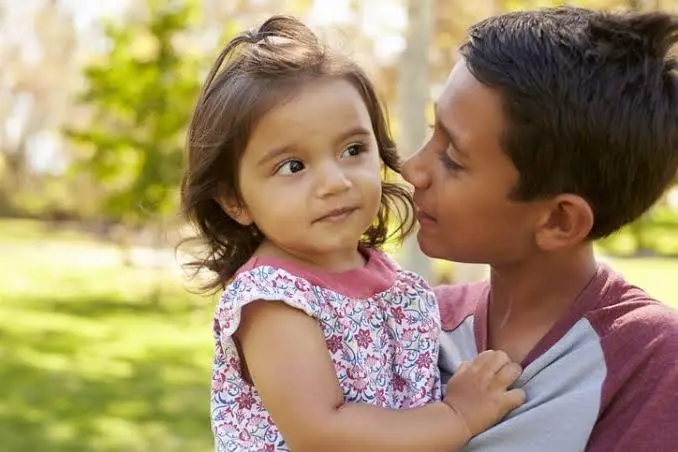
Empathy in toddlers is the early ability to notice another person’s emotions and gradually respond with care or concern. This skill develops over time as children’s brains mature and they gain more experience interacting with parents, siblings, and peers. A toddler does not need to fully understand another person’s feelings to show empathy. Looking worried when someone cries, offering a favorite stuffed animal, or gently patting a parent on the arm are all early signs that empathy is beginning to emerge.
Empathy during the toddler years is closely connected to emotional awareness. Before children can respond to someone else’s emotions, they first need to recognize basic feelings such as happiness, sadness, anger, and fear. Parents strengthen this ability by naming emotions during everyday interactions. For example, saying, “Your brother looks sad because his toy broke,” helps toddlers connect facial expressions with emotional experiences and understand why someone feels a certain way.
Many behaviors that parents worry about are still completely normal at this age. Refusing to share toys, grabbing objects, ignoring another child’s tears, or focusing only on personal needs does not mean a toddler lacks empathy. Young children are naturally egocentric because their cognitive development is still centered on their own experiences. As self-control, language, and social understanding improve, empathetic responses become more frequent and more intentional.
At what age do toddlers begin developing empathy?
Most toddlers begin showing the earliest signs of empathy between 12 and 18 months, but empathy continues developing throughout early childhood. During this stage, children may pause when they hear another baby crying, look concerned when a parent appears upset, or imitate comforting behaviors they have observed at home. These reactions often reflect emotional contagion, where children respond to another person’s emotions before fully understanding them.
Between 18 and 24 months, toddlers become more capable of recognizing that another person’s feelings are separate from their own. They may bring a blanket to someone who is crying, hug a sibling after an accident, or check on a parent who looks hurt. Their growing vocabulary also allows parents to introduce emotion words, making conversations about feelings more meaningful and helping children build emotional understanding.
By around age 3, many children begin demonstrating more intentional empathy. They can recognize common emotions, offer simple words of comfort, and understand basic cause-and-effect relationships between actions and feelings. For example, a child may realize that taking a toy made another child sad and decide to return it after gentle guidance. Although empathy is becoming more consistent at this age, children still need frequent modeling, coaching, and positive reinforcement from caregivers because emotional and social skills continue developing throughout childhood.
How can parents teach empathy every day?
Parents teach empathy most effectively by demonstrating it consistently during everyday interactions. Toddlers learn far more from what they observe than from what they are told. When children see adults speak kindly, comfort someone who is upset, thank others, or apologize after making a mistake, they begin to understand how caring behaviors look in real life. These repeated observations become the foundation for their own social and emotional development.
Name emotions as they happen to build emotional awareness. Toddlers cannot respond appropriately to another person’s feelings if they cannot recognize emotions first. Use simple language throughout the day to describe what people are experiencing. For example, “Dad looks tired after work,” “Your friend feels disappointed because the game ended,” or “You look excited about going to the park.” Repeated exposure to emotional vocabulary helps children connect facial expressions, body language, and situations with specific feelings.
Ask simple perspective-taking questions instead of immediately solving problems. Perspective-taking is one of the building blocks of empathy because it encourages children to think beyond their own needs. During everyday situations, ask questions such as, “How do you think your sister feels?” or “What could we do to help Grandpa feel better?” Young toddlers may answer with only a few words, but these conversations gradually strengthen their ability to consider another person’s point of view.
Read stories that explore emotions and relationships. Picture books give toddlers safe opportunities to observe characters experiencing happiness, sadness, frustration, fear, and kindness. Pause during the story to discuss facial expressions, predict how a character might respond, or ask why someone feels upset. These conversations help children transfer emotional understanding from books to real-life situations.
Use pretend play to practice caring behaviors. Pretend play allows toddlers to rehearse empathy without pressure. Playing doctor, caring for a stuffed animal, feeding a doll, or comforting a toy that has “fallen down” encourages children to imitate nurturing behaviors they have observed from adults. This type of imaginative play strengthens emotional understanding while supporting language and social development.
Praise empathetic actions instead of giving personality labels. Specific feedback teaches children exactly which behaviors are helpful. Instead of saying, “You’re such a good girl,” describe the action by saying, “You noticed your friend was sad and gave her a hug. That helped her feel better.” Focusing on behaviors makes it easier for toddlers to repeat those actions in future situations.
Turn everyday conflicts into learning opportunities. Disagreements over toys, frustration with siblings, and conflicts during play are valuable moments for teaching empathy. Rather than deciding who is right immediately, guide children through what happened, identify each person’s feelings, and discuss possible solutions together. This approach helps toddlers understand that every conflict involves more than one perspective.
Build empathy into daily family routines. Small habits repeated consistently have the greatest long-term impact. Encourage your toddler to help bring a blanket to someone who is cold, make a card for a sick grandparent, feed a family pet, or thank people who help them throughout the day. These routines show that empathy is not a special lesson but a natural part of everyday family life.
Which activities help toddlers practice empathy?
Hands-on activities give toddlers repeated opportunities to practice empathy in ways they can understand. Young children learn best through play, observation, and repetition rather than formal lessons. Activities that encourage nurturing, cooperation, and emotional conversations help transform empathy from an abstract concept into a daily habit.
Caring for dolls and stuffed animals helps toddlers practice nurturing behaviors. Encourage your child to feed a doll, tuck a teddy bear into bed, or comfort a toy that has been “hurt.” These pretend scenarios allow toddlers to imitate the caring actions they see from adults. You can extend the activity by asking questions such as, “The teddy is crying. What do you think would help him feel better?” This type of role-play strengthens emotional understanding while encouraging problem-solving.
Play emotion recognition games throughout the day. Use emotion flashcards, picture books, or even family photos to identify facial expressions. Ask your toddler to point to someone who looks happy, surprised, scared, or frustrated. As children become more familiar with different emotions, they find it easier to recognize those feelings in real-life situations and respond appropriately.
Invite your toddler to help others with simple daily tasks. Small acts of kindness teach children that their actions can make someone else’s day easier. Let your child carry a napkin to the dinner table, bring a blanket to a family member who feels cold, help refill a pet’s water bowl, or choose fruit for a sibling’s snack. These activities build empathy by showing that caring for others is a normal part of family life.
Use role-playing to prepare for everyday social situations. Pretend that one toy cannot find its favorite blanket, another toy feels nervous about visiting the doctor, or a friend falls down at the playground. Ask your toddler what each character might be feeling and what they could do to help. Role-playing gives children a safe environment to explore emotions before they experience similar situations in real life.
Create simple family kindness traditions. Encourage your toddler to draw pictures for grandparents, bake cookies for neighbors, thank teachers, or make homemade cards for someone who is sick. Regular kindness activities help children understand that empathy involves taking action, not simply recognizing another person’s emotions.
What mistakes should parents avoid when teaching empathy?
Some well-intentioned parenting habits can unintentionally slow empathy development by focusing on obedience instead of understanding. Helping toddlers become empathetic requires patience because emotional skills develop gradually throughout early childhood.
Avoid forcing your child to apologize before they understand why someone is hurt. A quick “Say you’re sorry” may teach polite manners, but it does not necessarily teach empathy. Instead, guide your toddler to notice the other person’s feelings first. For example, say, “Look at your friend. He’s crying because the toy hit him. What can we do to help?” Once children understand the impact of their actions, apologies become more meaningful.
Avoid expecting toddlers to share before they are developmentally ready. Many children under the age of 3 naturally protect their favorite possessions because they are still developing impulse control and perspective-taking skills. Rather than demanding immediate sharing, encourage turn-taking, use timers, and model generous behavior yourself. This approach reduces frustration while gradually teaching cooperation.
Avoid dismissing or punishing emotions. Statements such as “Stop crying,” “You’re fine,” or “Don’t be upset” teach children to ignore emotions instead of understanding them. A more effective response is to acknowledge the feeling first and then guide the behavior. Saying, “You’re disappointed because playtime is over. It’s okay to feel sad, but it’s time for dinner,” helps toddlers learn that all emotions are acceptable even though not every behavior is.
Avoid solving every social conflict immediately. Parents often step in too quickly when disagreements happen, which prevents children from practicing empathy and problem-solving. Instead, act as a coach by helping toddlers describe what happened, identify each person’s feelings, and think of simple solutions together. Over time, this guidance helps children become more confident in resolving conflicts with kindness and respect.
How do you know your toddler is becoming more empathetic?
Empathy becomes visible through small, consistent behaviors rather than one dramatic moment. As toddlers mature, they gradually move from simply noticing another person’s emotions to responding with thoughtful actions. Every child develops at a different pace, but increasing emotional awareness, concern for others, and helpful behaviors are positive signs that empathy is growing.
Your toddler begins recognizing other people’s emotions without being told. Instead of focusing only on their own feelings, they may notice when someone looks sad, excited, frustrated, or scared. A child might point to a crying baby, ask why a sibling is upset, or comment that a parent looks tired after work. These observations show that children are becoming more aware of emotional cues in the people around them.
Your toddler starts offering comfort in simple ways. Early empathetic responses are often small but meaningful. Children may hug someone who is crying, bring a favorite stuffed animal, offer a blanket, or gently pat another person’s shoulder. They usually imitate comforting behaviors they have experienced from parents, which is why consistent modeling has such a strong influence during the toddler years.
Your toddler shows concern before being prompted. Rather than waiting for an adult to explain what happened, children may check on someone who falls down, ask if another child is okay, or stop playing to watch when someone appears upset. These spontaneous reactions suggest that empathy is becoming more intentional instead of being purely emotional imitation.
Your toddler begins resolving simple social problems with guidance. As language and emotional regulation improve, children become more capable of repairing relationships after conflicts. They may return a toy after realizing another child is upset, offer to play together again, or participate in finding a solution with adult support. Although they still need coaching, these behaviors demonstrate growing perspective-taking and emotional understanding.
Progress is more important than perfection. Even highly empathetic toddlers continue to argue, refuse to share, or become overwhelmed by their own emotions. Stress, hunger, tiredness, and overstimulation can temporarily reduce empathetic behavior. Look for gradual improvement over weeks and months rather than expecting kindness in every situation.
What are the long-term benefits of teaching empathy early?
Teaching empathy during the toddler years supports children’s emotional, social, and cognitive development long after early childhood. Empathy influences how children communicate, build relationships, solve problems, and respond to challenges throughout school and later life.
Empathetic children often build stronger friendships. Understanding another person’s emotions helps children cooperate, share, take turns, and resolve disagreements more effectively. Friends are more likely to trust children who listen, show kindness, and respond thoughtfully during conflicts, creating healthier and more stable relationships.
Empathy strengthens emotional regulation. Children who recognize emotions in themselves and others gradually become better at managing frustration, disappointment, and anger. Instead of reacting impulsively, they learn to pause, identify what they are feeling, and choose more appropriate responses. This ability contributes to greater resilience in unfamiliar or stressful situations.
Early empathy can reduce challenging behaviors. Children who understand how their actions affect others are less likely to rely on aggression, hitting, or hurtful language during conflicts. They become more willing to cooperate, repair relationships after mistakes, and seek peaceful solutions with adult guidance.
Empathy supports success in preschool and school. Teachers consistently value social-emotional skills alongside academic readiness because children spend much of their day interacting with classmates and adults. Empathetic children are generally better prepared to participate in group activities, follow classroom expectations, collaborate with peers, and develop positive relationships with teachers.
Empathy helps create stronger family relationships. Daily habits such as listening carefully, expressing gratitude, helping family members, and showing concern during difficult moments strengthen trust within the home. As these behaviors become part of everyday family life, children develop a lasting understanding that kindness, respect, and compassion are essential parts of healthy relationships.