
Every squeeze, pinch, stack, and peel helps your toddler build fine motor skills that support everyday independence. These small hand movements make it easier for children to hold a spoon, turn book pages, button clothes, draw simple lines, and eventually write with confidence. The best part is that toddlers develop these skills naturally through play, so you do not need expensive toys or complicated lesson plans to help them learn.
This guide brings together practical toddler fine motor skills activities that parents can easily set up at home using common household items and a few favorite toys. Each activity explains the skill it develops, the recommended age range, the materials you need, and simple steps to make play both fun and meaningful. Whether you have a curious 12-month-old exploring with tiny fingers or an active 3-year-old ready for more challenging tasks, you will find ideas that match your child’s developmental stage.
You’ll also learn how fine motor activities strengthen hand muscles, improve hand-eye coordination, prepare toddlers for preschool tasks, and encourage independent play. By adding just a few minutes of purposeful play to your daily routine, you can support your toddler’s development while creating enjoyable moments to share together.
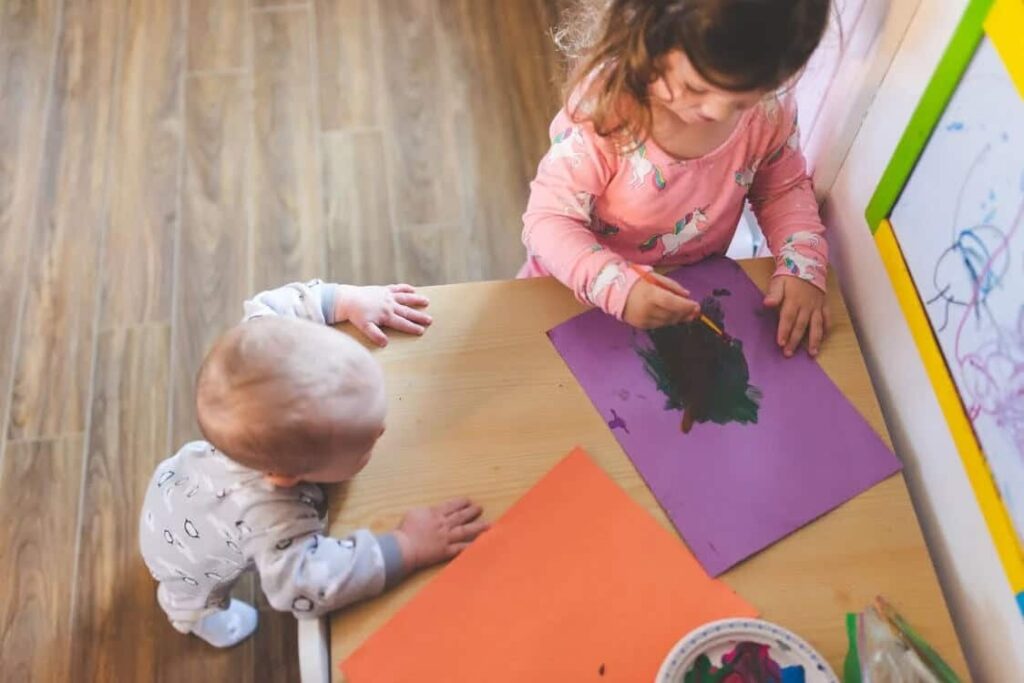
What Are Fine Motor Skills for Toddlers?
Fine motor skills are the small muscle movements that allow toddlers to control their hands, fingers, and wrists for everyday tasks. These movements require coordination between the muscles of the hands, the eyes, and the brain. As toddlers grow, they gradually learn to grasp, pinch, twist, stack, and manipulate objects with greater precision. These skills become the foundation for eating independently, getting dressed, turning pages in a book, drawing simple shapes, and eventually writing.
Most toddlers begin developing fine motor skills naturally through daily exploration and play. Between 12 and 18 months, many children can pick up small pieces of food using a pincer grasp, stack two or three blocks, and point with one finger. By age two, they often turn doorknobs, scribble with crayons, and build taller block towers. Around age three, many toddlers can string large beads, use child-safe scissors with assistance, and complete simple puzzles with several pieces.
Fine motor development progresses at different speeds, but the overall pattern remains similar. Children strengthen these skills through repeated practice rather than formal lessons. Every time a toddler peels a sticker, transfers pom poms with tongs, or rolls playdough into a ball, the muscles responsible for precise hand movements become stronger and more coordinated.
Developing fine motor skills during the toddler years also supports other areas of learning. Strong finger control helps children participate in art activities, complete self-care tasks, and explore educational toys more independently. Because these movements are connected to problem-solving and sensory exploration, fine motor activities encourage both physical and cognitive development through play.
How Do Fine Motor Activities Help Toddlers?
Fine motor activities strengthen the muscles and coordination toddlers need for everyday independence. Instead of practicing isolated exercises, children improve these skills while playing with objects that require grasping, squeezing, pinching, stacking, twisting, and transferring. Each movement challenges different muscle groups and gradually increases control over small hand movements.
One of the biggest benefits is stronger hand and finger muscles. Activities such as squeezing playdough, clipping clothespins, or using kitchen tongs require toddlers to apply controlled force with their fingers. Better hand strength makes future tasks like holding pencils, cutting with scissors, and fastening buttons much easier.
Fine motor activities also improve hand-eye coordination. Toddlers learn to guide their hands using visual information while stacking blocks, placing coins into a slot, completing peg boards, or threading large beads. This coordination becomes essential for drawing, catching objects, building structures, and completing classroom activities during the preschool years.
Another important benefit is greater independence in daily routines. Toddlers with well-developed fine motor skills find it easier to feed themselves with utensils, unzip jackets, open containers, brush their teeth, and turn pages while reading books. These everyday successes build confidence because children experience the satisfaction of completing tasks without constant adult assistance.
Play-based fine motor activities also encourage concentration and problem-solving. Many activities require toddlers to slow down, observe, adjust their movements, and try again when something does not work. For example, fitting puzzle pieces together or threading a bead onto a lace teaches patience, persistence, and spatial awareness while strengthening precise hand control at the same time.
What Are the Best Toddler Fine Motor Skills Activities?
Playdough Squeezing and Rolling
Playdough is one of the most effective tools for strengthening fine motor skills because it encourages toddlers to use nearly every small muscle in their hands. Squeezing, pinching, flattening, rolling, and pulling the dough improve finger strength, hand stability, and bilateral coordination. These movements also prepare toddlers for future skills such as holding a pencil, cutting with scissors, and fastening buttons.
You only need soft playdough and a flat surface to begin. Encourage your toddler to roll balls, make long snakes, flatten the dough with their palms, or press simple cookie cutters into it. Older toddlers can hide small plastic animals or large beads inside the dough and dig them out using only their fingers, making the activity more challenging while keeping it fun.
This activity works well for children between 18 months and 3 years old. Always supervise play and choose non-toxic playdough, especially for toddlers who still explore objects by putting them in their mouths.
Sticker Peeling
Peeling and placing stickers develops finger control, hand-eye coordination, and the pincer grasp. Removing the edge of a sticker requires toddlers to coordinate their thumb and index finger while controlling the amount of force they use. Placing the sticker accurately on paper also strengthens visual-motor coordination.
Provide a sheet of large stickers and a blank piece of paper or draw simple shapes that your toddler can decorate. Encourage them to peel each sticker independently before placing it inside circles, on pictures, or along straight lines. As their skills improve, introduce smaller stickers that require more precise finger movements.
Sticker activities are ideal for toddlers between 18 months and 3 years old because they combine creativity with skill development. They also help increase attention span as children concentrate on completing a simple task from beginning to end.
Pom Pom Transfer
Transferring pom poms from one container to another strengthens hand muscles while improving coordination and concentration. Picking up lightweight objects with tongs or large tweezers requires toddlers to squeeze with controlled pressure and release objects accurately into another container.
Place colorful pom poms in one bowl and an empty bowl beside it. Demonstrate how to pick up each pom pom using toddler-safe tongs before inviting your child to try. Beginners may use their fingers first, while older toddlers can use kitchen tongs or child-friendly tweezers for a greater challenge.
Children around two years old usually enjoy sorting pom poms by color while transferring them. This adds an early learning element without changing the primary goal of improving fine motor control. Always supervise closely because pom poms can become choking hazards for young toddlers.
Clothespin Clipping
Opening and closing clothespins builds finger strength that supports many everyday self-care skills. The squeezing motion strengthens the muscles toddlers later use for writing, fastening zippers, buttoning clothing, and handling classroom tools.
Clip several clothespins around the edge of a small box, paper plate, or basket. Invite your toddler to remove each clothespin before clipping it back into place. You can also draw colorful animals and ask your child to add clothespins as legs, spikes, or sun rays to make the activity more engaging.
This activity is most suitable for toddlers over two years old because squeezing clothespins requires stronger finger muscles than many beginner activities. Larger plastic clothespins are usually easier for young children to manipulate than traditional wooden versions.
Building Blocks
Stacking blocks improves finger control, hand stability, and spatial awareness while encouraging problem-solving. Toddlers learn to adjust the position of each block carefully so the tower remains balanced. Every small correction strengthens hand-eye coordination and develops precise hand movements.
Start with large wooden or foam blocks that are easy to grasp. Encourage your toddler to build simple towers before experimenting with bridges, walls, or small structures. Instead of focusing on height, allow your child to explore different ways of balancing and connecting blocks through trial and error.
Building blocks are appropriate from around 12 months onward, with the level of difficulty increasing as children grow. Younger toddlers may enjoy stacking only a few blocks, while older toddlers often begin creating simple imaginative structures during independent play.
Lacing Cards
Lacing cards improve hand-eye coordination, bilateral coordination, and finger precision by encouraging toddlers to guide a lace through small holes. One hand holds the card steady while the other pushes and pulls the lace, helping both hands learn to work together. This skill supports future tasks such as tying shoes, buttoning clothing, and sewing simple crafts.
Choose lacing cards with large holes and thick laces designed for young children. Show your toddler how to insert the lace through one hole before pulling it out through the next. Let them work at their own pace without worrying about completing the pattern perfectly. The goal is controlled movement rather than speed or accuracy.
Lacing activities are generally best for toddlers aged 2 to 3 years. Adult supervision is important because the lace can become wrapped around small hands or fingers during play.
Threading Large Beads
Threading large beads strengthens the pincer grasp while improving concentration and visual-motor coordination. Picking up each bead, positioning the hole, and guiding it onto a string requires careful finger control and planning. These repeated movements prepare toddlers for writing, fastening clothing, and manipulating small classroom materials.
Use large wooden or plastic beads together with a thick shoelace or string that has a firm tip. Encourage your toddler to create simple color patterns or count beads as they thread them. Beginners may start with only three or four beads before progressing to longer sequences as their confidence grows.
This activity is recommended for children over two years old using oversized beads that cannot be swallowed. Small beads should always be avoided because they present a choking hazard.
Paper Tearing and Gluing
Tearing paper develops finger strength while gluing improves control and placement accuracy. Unlike cutting with scissors, tearing paper requires toddlers to coordinate both hands while applying enough force to separate the paper in a controlled way. Gluing the pieces onto paper adds another opportunity to practice precision.
Offer colorful construction paper, child-safe glue sticks, and a blank sheet of paper. Invite your toddler to tear the paper into different sizes before creating simple pictures such as flowers, trees, fish, or colorful collages. There is no need for perfect shapes because the focus is on strengthening hand muscles through repeated movement.
Paper crafts are suitable for toddlers between 18 months and 3 years old. They also encourage creativity while introducing basic concepts such as colors, shapes, and textures.
Finger Painting
Finger painting develops finger isolation, sensory awareness, and hand control through creative exploration. As toddlers spread paint using individual fingers or their entire hands, they strengthen small muscles while learning how different movements create lines, circles, dots, and patterns.
Prepare washable, non-toxic finger paint and cover the work area with newspaper or a reusable mat. Encourage your child to make handprints, draw simple shapes, or mix colors together. Asking them to create dots with one finger or trace straight lines adds extra fine motor practice without reducing the fun.
Finger painting is suitable from around 18 months onward and provides valuable sensory experiences alongside fine motor development. Washable materials make cleanup easier and allow children to explore without worrying about making mistakes.
Sponge Squeezing
Squeezing water from a sponge strengthens the entire hand while improving grip control. The repeated squeezing motion activates many of the muscles toddlers later use for writing, opening containers, and handling everyday objects.
Fill one bowl with water and place an empty bowl beside it. Show your toddler how to soak the sponge before squeezing the water into the second bowl. To make the activity more engaging, add food coloring to the water or challenge your child to fill the empty bowl as quickly as possible.
This activity is ideal for children between 18 months and 3 years old. It combines sensory play with muscle strengthening, making it especially popular during warm weather or outdoor play sessions.
Peg Board Play
Placing pegs into a peg board improves finger precision, visual perception, and problem-solving skills. Toddlers must align each peg carefully with the correct hole before pushing it into place, encouraging controlled movements instead of quick or forceful actions.
Begin with large pegs that are easy to grasp. Invite your toddler to create simple rows, sort pegs by color, or copy basic patterns that you make first. As their coordination improves, they can complete more complex designs using multiple colors.
Peg boards are most appropriate for toddlers aged two years and older because they require greater precision than stacking blocks or transferring large objects.
DIY Busy Box
A DIY busy box combines several fine motor activities into one engaging play station. Instead of focusing on a single movement, toddlers practice zipping, buttoning, twisting, clipping, opening, closing, and sorting while exploring different objects inside the box. This variety keeps children interested and allows them to strengthen multiple fine motor skills during one play session.
Create a busy box using a plastic storage container and safe household materials such as large zippers, fabric scraps, ribbons, measuring spoons, empty containers with screw lids, clothespins, and silicone muffin cups. Rotate the materials every few weeks to maintain curiosity and introduce new challenges without purchasing additional toys.
Busy boxes are suitable for toddlers from around 18 months onward when all materials are carefully selected for safety. Avoid small removable parts and regularly inspect the contents for damage. A well-designed busy box can provide independent play opportunities while supporting fine motor development every day.
Which Fine Motor Activities Are Best by Age?
The best fine motor activities depend on your toddler’s developmental stage rather than their exact age. Choosing age-appropriate activities helps children build confidence while avoiding frustration that comes from tasks that are too difficult.
For toddlers between 12 and 18 months, focus on activities that encourage grasping, releasing, and simple hand movements. Stacking large blocks, turning thick pages in board books, placing large objects into containers, finger painting, rolling soft playdough, and picking up cereal with a pincer grasp all strengthen the small muscles in the hands without requiring advanced coordination.
Toddlers between 18 and 24 months are ready for activities that require greater control. Sticker peeling, sponge squeezing, paper tearing, simple peg boards, transferring pom poms with their fingers, sorting large objects by color, and opening or closing containers help improve finger strength and hand-eye coordination. At this stage, children also begin following simple instructions, making activity-based games even more engaging.
Between 2 and 3 years old, toddlers can handle more complex fine motor challenges. Threading large beads, clipping clothespins, completing lacing cards, transferring pom poms with tongs, building taller block towers, using child-safe scissors with supervision, and tracing straight or curved lines all prepare children for preschool activities. These tasks require greater precision and encourage longer periods of concentration.
Rather than introducing many new activities at once, rotate a few favorites each week. Repetition allows toddlers to master movements while gradually increasing speed, confidence, and control. As your child becomes more comfortable, add small challenges such as using smaller objects, creating simple patterns, or completing activities independently.
Which Household Items Can Parents Use?
Many of the best fine motor activities use everyday household items instead of expensive educational toys. Common objects often provide the same developmental benefits because they encourage toddlers to squeeze, pinch, sort, stack, twist, and transfer using natural hand movements.
Kitchen supplies are an excellent place to start. Measuring spoons, silicone muffin cups, plastic bowls, ice cube trays, and child-safe kitchen tongs can all be used for sorting games and transferring activities. Toddlers enjoy moving cotton balls, large pom poms, or plastic bottle caps from one container to another while strengthening their hand muscles.
Recyclable materials also create endless opportunities for creative play. Empty paper towel tubes become ball drop stations, egg cartons can be used for sorting colors or counting objects, and cardboard boxes can be transformed into posting games where toddlers drop large coins, craft sticks, or blocks through carefully cut openings. These simple activities encourage precise hand movements without requiring special equipment.
Art supplies provide another affordable way to build fine motor skills. Washable crayons, chunky markers, stickers, glue sticks, construction paper, dot markers, and child-safe paint all encourage toddlers to control small hand movements while expressing their creativity. Rotating different materials throughout the week keeps activities fresh and motivates children to practice new skills.
When selecting household materials, safety should always come first. Avoid objects that are small enough to become choking hazards, have sharp edges, or can easily break into smaller pieces. Choose items that match your toddler’s current abilities, supervise every activity, and inspect homemade materials regularly to ensure they remain safe for everyday play.
How Often Should Toddlers Practice Fine Motor Skills?
Toddlers benefit most from short, consistent fine motor practice instead of occasional long sessions. Daily activities lasting 10 to 15 minutes give children enough time to strengthen their hand muscles without becoming tired or losing interest. Because toddlers naturally learn through repetition, regular practice is far more effective than introducing many new activities at once.
You do not need to schedule a formal lesson every day. Fine motor practice can be incorporated into everyday routines such as helping prepare food, turning pages during story time, stacking blocks after breakfast, or peeling stickers before bedtime. These simple moments provide repeated opportunities to strengthen hand control in a natural way.
Offering three to five different activities throughout the week also keeps toddlers engaged. Rotating between sensory play, art projects, building activities, and household tasks exposes children to a wider range of hand movements while preventing boredom. If your toddler especially enjoys one activity, it is perfectly fine to repeat it often because repetition helps refine movement patterns.
As your child’s skills improve, gradually increase the challenge instead of making activities completely different. For example, move from large blocks to smaller ones, replace finger transfers with kitchen tongs, or encourage more detailed coloring instead of simple scribbling. Small progressions help toddlers continue developing without becoming frustrated.
What Safety Tips Should Parents Follow?
Safe materials and close supervision are essential during every fine motor activity. Many activities involve small objects that improve finger control, but these same objects can become choking hazards for young toddlers. Always choose materials that match your child’s developmental stage rather than selecting activities designed for older children.
Children under three years old should never play with small beads, buttons, coins, marbles, or tiny craft supplies without direct adult supervision. If an object can fit completely inside a toilet paper roll, it is generally too small for unsupervised play. Larger alternatives provide the same developmental benefits while reducing risk.
Select non-toxic art supplies, washable paints, and child-safe scissors whenever possible. Check homemade activity materials regularly to make sure nothing has broken, become loose, or developed sharp edges. Replacing worn materials immediately helps maintain a safe play environment.
Pay attention to your toddler’s interest and energy level throughout each activity. If your child becomes frustrated, tired, or begins throwing materials instead of using them appropriately, end the activity and try again another day. Positive experiences encourage children to practice fine motor skills more willingly than activities that feel stressful or overly difficult.
What Signs Show a Toddler Needs More Fine Motor Practice?
Every child develops at their own pace, but certain signs may indicate that a toddler would benefit from additional fine motor practice. Difficulty manipulating everyday objects, avoiding activities that require finger control, or becoming frustrated during simple hand movements are common examples.
A toddler may need more opportunities to strengthen fine motor skills if they struggle to stack a few blocks after repeated practice, have difficulty picking up small pieces of food with a pincer grasp, avoid holding crayons, or cannot place simple objects into containers. These challenges do not automatically indicate a developmental delay because children progress at different rates, but they do suggest that more hands-on practice could be helpful.
You may also notice that your toddler prefers activities involving large body movements while avoiding puzzles, art projects, or building toys. Introducing enjoyable, play-based fine motor activities for a few minutes each day often increases both confidence and coordination over time.
If fine motor difficulties continue for several months, interfere with daily tasks such as feeding or dressing, or are accompanied by delays in other developmental areas, discuss your concerns with your pediatrician. They can determine whether additional evaluation or support from an occupational therapist is appropriate.
What Mistakes Do Parents Make During Fine Motor Activities?
The most common mistake is choosing activities that are too difficult for a toddler’s current skill level. When children repeatedly experience failure, they often lose interest and become reluctant to participate. Starting with simple activities and increasing the challenge gradually helps build both ability and confidence.
Another common mistake is focusing too much on the final result instead of the learning process. A crooked tower, messy painting, or uneven collage still provides valuable opportunities to strengthen hand muscles and improve coordination. Encouraging effort rather than perfection creates a more enjoyable learning experience.
Some parents also introduce too many activities at once. Toddlers learn best through repetition, so rotating a small collection of favorite activities is usually more beneficial than constantly offering new materials. Familiar activities allow children to practice the same movements until they become more precise.
Finally, avoid taking over whenever your toddler struggles. Demonstrate the movement, provide encouragement, and allow your child enough time to solve the problem independently. Small successes achieved through persistence help develop confidence alongside fine motor skills.
When Should Parents Seek Professional Advice?
Most toddlers develop fine motor skills gradually through everyday play, but persistent difficulties may require professional evaluation. Parents should consider speaking with a pediatrician if their child consistently struggles with age-appropriate hand movements, avoids using one hand, loses previously learned skills, or shows little progress despite regular opportunities to practice.
Professional guidance may also be helpful if fine motor challenges interfere with daily routines such as feeding, holding toys, turning book pages, or manipulating simple objects. A pediatrician can assess your child’s overall development and recommend further evaluation if necessary.
If additional support is needed, an occupational therapist can identify specific areas of weakness and recommend individualized activities that strengthen hand muscles, improve coordination, and promote greater independence. Early intervention often helps children build these foundational skills before they begin preschool.
Frequently Asked Questions About Toddler Fine Motor Skills Activities
Can toddlers practice fine motor skills every day?
Yes. Short daily sessions of 10 to 15 minutes are generally more effective than occasional long practice sessions because consistent repetition strengthens hand muscles and improves coordination over time.
What if my toddler loses interest quickly?
Switch to another activity after a few minutes or return to a favorite game. Toddlers have short attention spans, so keeping activities playful and flexible encourages continued participation.
Are Montessori fine motor activities better?
Montessori activities can be highly effective because they encourage independence and hands-on learning, but they are not the only option. Any safe activity that requires grasping, pinching, squeezing, stacking, or transferring objects helps develop fine motor skills.
Do screen-free activities improve fine motor development?
Yes. Screen-free play encourages toddlers to manipulate real objects, strengthening hand muscles and improving coordination through direct physical interaction with their environment.
Can fine motor activities help prepare toddlers for preschool?
Absolutely. Strong fine motor skills make it easier for children to hold crayons, complete simple crafts, use classroom materials, manage clothing fasteners, and participate confidently in everyday preschool activities.