
Toddlers build confidence through everyday experiences, not through praise alone. Each time a child solves a simple problem, makes a choice, or completes a task independently, they develop the belief that they are capable. That belief becomes the foundation of confidence, helping them explore new situations, recover from setbacks, and interact more comfortably with others.
The toddler years, typically between ages 1 and 3, are one of the most important stages for developing self-confidence because children rapidly gain new physical, language, and social skills. During this period, everyday parenting habits have a greater influence than occasional confidence-building activities. Allowing a toddler to put on their own shoes, choose between two snacks, or help tidy up toys teaches competence far more effectively than constant praise or doing everything for them.
This guide explains how to build confidence in toddlers using practical, evidence-based parenting strategies that fit naturally into daily routines. You’ll learn how to recognize the signs of healthy confidence, understand what causes toddlers to lose confidence, adopt 15 simple habits that encourage independence, choose activities that strengthen self-belief, avoid common parenting mistakes, and recognize when low confidence may require professional guidance. By applying these strategies consistently, parents can help toddlers develop the resilience, independence, and emotional security they need to thrive at home, in preschool, and beyond.
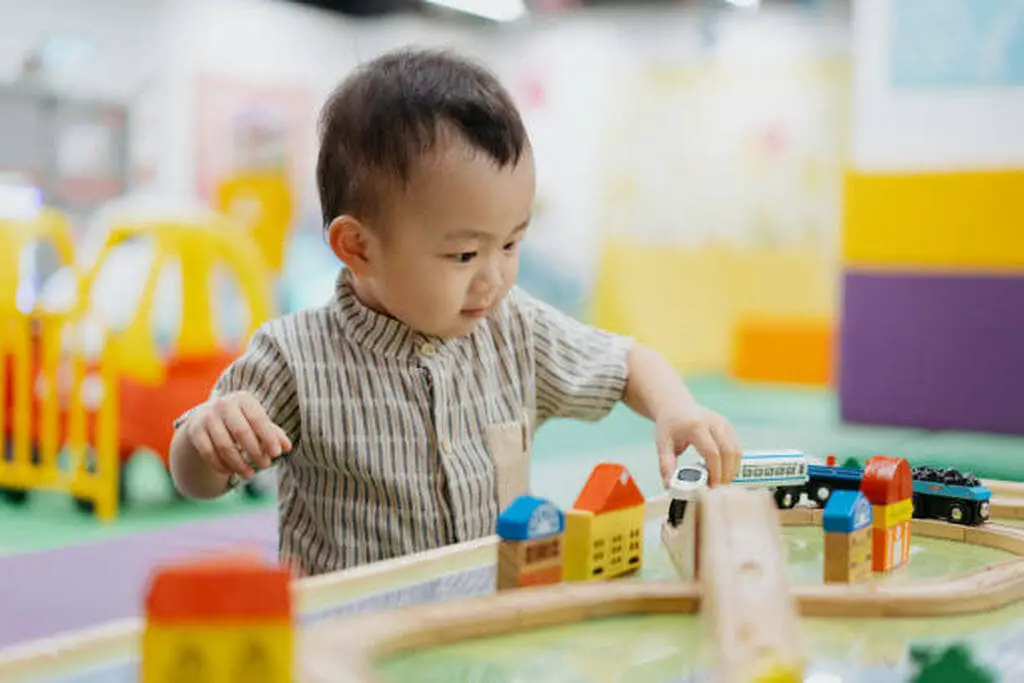
What does confidence look like in toddlers?
A confident toddler is willing to try new experiences, solve simple problems, and recover from small setbacks without giving up immediately. Confidence does not mean a child is fearless, outgoing, or successful at every task. Instead, it reflects a growing belief that they can learn through practice and cope with age-appropriate challenges.
Confident toddlers often show curiosity by exploring unfamiliar toys, climbing playground equipment, attempting to dress themselves, or interacting with other children. They may ask for help when needed, but they usually make an initial effort before relying on an adult. This willingness to try, rather than the outcome itself, is one of the strongest indicators of healthy confidence.
Parents should also understand that confidence and self-esteem are closely related but not identical. Confidence refers to a child’s belief in their ability to complete specific tasks, while self-esteem reflects their overall sense of self-worth. For example, a toddler may confidently stack blocks or feed themselves but still seek comfort after a difficult social interaction. Supporting both competence and emotional security helps children develop healthy self-esteem over time.
Confidence develops gradually through repeated positive experiences. Every opportunity to make a decision, complete a simple responsibility, or overcome a small challenge strengthens the child’s belief that they are capable. These daily experiences create a foundation that supports learning, independence, and resilience throughout childhood.
Why is confidence important during the toddler years?
Confidence helps toddlers become more independent, resilient, and willing to learn new skills. During the first three years of life, children experience rapid growth in language, movement, emotional regulation, and social interaction. Feeling capable encourages them to practice these emerging abilities instead of avoiding unfamiliar situations.
Confident toddlers approach challenges with greater persistence. Rather than stopping after one unsuccessful attempt, they are more likely to try again, adjust their approach, or ask for appropriate help. This persistence supports problem-solving, strengthens cognitive development, and prepares children for increasingly complex tasks in preschool and beyond.
Confidence also contributes to healthy emotional development. Toddlers who believe they can manage everyday challenges often experience less frustration when things do not go as planned. They learn that mistakes are part of learning rather than signs of failure. As a result, they develop greater emotional resilience and recover more quickly from disappointment.
Strong confidence also supports social development. Children who feel secure in their abilities are generally more willing to join group activities, communicate with peers, share toys, and explore new environments. These positive social experiences reinforce confidence further, creating a cycle in which successful interactions encourage even greater independence and emotional growth over time.
What causes toddlers to lose confidence?
Toddlers lose confidence when they have too few opportunities to succeed independently or when everyday experiences repeatedly make them feel incapable. Confidence grows through practice, trial and error, and supportive guidance. When these experiences are limited, children become more hesitant to try new things.
One of the most common causes is doing everything for the child. Parents often complete tasks out of convenience, such as putting on shoes, cleaning up toys, or solving every small problem. While this saves time, it also removes opportunities for toddlers to develop competence. A child who rarely practices everyday skills has fewer chances to experience success and begins relying on adults instead of trusting their own abilities.
Constant criticism or unrealistic expectations can also weaken confidence. Toddlers are still learning basic motor, language, and social skills, so mistakes are inevitable. When adults focus primarily on what went wrong instead of recognizing effort and progress, children may become afraid of making mistakes. Over time, this fear reduces curiosity and willingness to try unfamiliar activities.
Frequent comparison with siblings or other children is another common mistake. Every toddler develops at a different pace, and comparing milestones can create unnecessary pressure. Statements such as “Your sister could do this already” shift a child’s attention from learning to seeking approval. Instead of building intrinsic confidence, comparisons encourage children to measure their worth against others.
Overprotection can have a similar effect. Parents naturally want to prevent frustration or failure, but stepping in too quickly teaches toddlers that challenges are problems only adults can solve. Allowing children to struggle with safe, age-appropriate tasks—such as stacking blocks, putting on a jacket, or climbing playground equipment—helps them discover that persistence often leads to success.
How can parents build confidence in toddlers every day?
Parents build confidence by creating consistent opportunities for toddlers to make decisions, solve problems, and experience success independently. Small daily interactions have a greater impact on confidence than occasional motivational praise because they repeatedly reinforce a child’s sense of capability.
1. Let toddlers make simple choices. Offer two age-appropriate options, such as choosing between two shirts or selecting a bedtime story. Making decisions gives children a sense of control and teaches them that their opinions matter.
2. Encourage independent play. Give toddlers time to explore toys, build with blocks, draw, or engage in pretend play without directing every activity. Independent play strengthens creativity, problem-solving, and confidence in their own ideas.
3. Praise effort instead of results. Replace comments like “You’re so smart” with specific feedback such as “You kept trying until the puzzle fit.” Recognizing effort encourages a growth mindset and reduces the fear of failure.
4. Give age-appropriate responsibilities. Simple tasks like putting toys into a basket, carrying napkins to the table, watering plants, or placing clothes in the laundry hamper help toddlers feel capable and valued within the family.
5. Allow children to solve simple problems first. If a toy gets stuck or a block tower falls over, resist fixing the problem immediately. Giving toddlers time to think, experiment, and try again builds resilience and independent thinking.
6. Avoid rescuing too quickly. It is normal for toddlers to become frustrated while learning new skills. Offer encouragement instead of taking over the task. Supportive coaching helps children understand that temporary difficulty is part of learning.
7. Create predictable daily routines. Consistent routines help toddlers know what to expect, reducing anxiety and allowing them to complete familiar tasks with increasing independence. Success in daily routines gradually strengthens confidence.
8. Model confident behavior. Children observe how adults respond to challenges. When parents remain calm after making mistakes and demonstrate positive self-talk, toddlers learn that confidence comes from persistence rather than perfection.
9. Normalize mistakes as part of learning. Every spilled drink, unfinished puzzle, or unsuccessful attempt is an opportunity to teach resilience. Explaining that mistakes help people improve encourages children to keep trying instead of avoiding challenges.
10. Spend one-on-one time every day. Even 10 to 15 minutes of uninterrupted play, conversation, or reading strengthens the parent-child relationship. Feeling secure and emotionally supported gives toddlers the confidence to explore the world more independently.
Which confidence-building activities work best for toddlers?
The best confidence-building activities allow toddlers to make decisions, solve simple problems, and experience success through their own effort. Activities do not need to be expensive or highly structured. Everyday experiences that match a child’s developmental stage are often the most effective because they provide frequent opportunities to practice new skills.
Independent play activities
Independent play teaches toddlers that they can entertain themselves, make choices, and solve problems without constant adult direction. When children decide how to build a block tower, complete a simple puzzle, or care for a doll during pretend play, they practice creativity, persistence, and decision-making at the same time.
Parents should remain nearby without taking control of the activity. Instead of showing the “right” way to play, observe and encourage exploration. If a tower collapses, allow the toddler to rebuild it before offering help. This approach teaches that setbacks are temporary and can often be solved through another attempt.
Creative activities
Creative activities encourage toddlers to express ideas without worrying about making mistakes. Drawing with crayons, finger painting, building with modeling clay, singing songs, dancing, or making simple crafts all reinforce the idea that effort and imagination are more important than producing a perfect result.
Parents can strengthen confidence by commenting on the child’s process rather than judging the final product. Statements such as “You used lots of different colors” or “You worked hard on that picture” reinforce persistence and creativity without creating pressure to perform.
Everyday household activities
Daily routines provide countless opportunities for toddlers to feel capable. Simple responsibilities such as putting toys away, placing fruit on the table, watering plants, feeding a pet with supervision, or matching socks during laundry help children see themselves as contributing members of the family.
The goal is not completing chores perfectly but allowing toddlers to participate meaningfully. Even if a task takes longer or requires minor corrections afterward, the experience of completing it independently contributes to lasting confidence.
What parenting mistakes reduce toddler confidence?
Several common parenting habits unintentionally reduce confidence by limiting independence or making toddlers fear mistakes. Recognizing these habits allows parents to replace them with more supportive approaches.
Doing everything for a child is one of the biggest obstacles to confidence. When adults consistently dress toddlers, clean up every toy, solve every disagreement, or complete tasks the child could attempt independently, children receive fewer opportunities to develop competence. Helping should become guidance rather than replacement.
Using praise without specificity can also become ineffective. Comments like “Good job” or “You’re amazing” provide temporary encouragement but do not tell toddlers what they did well. Specific feedback such as “You kept trying until the pieces fit together” reinforces behaviors that children can repeat in future situations.
Comparing children is another harmful habit. Every toddler reaches developmental milestones at a different pace, and confidence grows through individual progress rather than competition. Comparing siblings, classmates, or friends often increases anxiety instead of motivation.
Parents should also avoid expecting perfection. Toddlers naturally spill drinks, forget instructions, and struggle with new skills. Responding calmly to mistakes teaches that learning involves practice. When children realize they are accepted even when they fail, they become more willing to attempt difficult tasks in the future.
When should parents seek professional advice?
Most toddlers experience temporary periods of shyness, frustration, or hesitation, and these behaviors are a normal part of development. Confidence does not develop at the same pace for every child, so occasional reluctance to try new activities is rarely a cause for concern.
Parents should consider discussing their child’s development with a pediatrician if low confidence is persistent and affects multiple areas of daily life. Examples include refusing to participate in play for an extended period, showing extreme distress during routine challenges, avoiding interaction with familiar adults or children, or becoming unusually dependent despite consistent encouragement at home.
It is also important to consider the broader developmental picture. Delays in language, motor skills, hearing, vision, or social communication may sometimes contribute to reduced confidence because children struggle to participate successfully in everyday activities. Identifying and addressing these underlying factors can improve both development and self-confidence.
Early support does not mean something is seriously wrong. Pediatricians, child psychologists, and early intervention specialists can evaluate whether a child’s behavior falls within the typical developmental range and recommend strategies tailored to the child’s needs. Seeking guidance early helps families provide the right support before confidence difficulties begin affecting learning, relationships, or emotional well-being.
Read more: How to Teach Sharing to Toddlers Without Forcing Them
Frequently Asked Questions
Is shyness the same as low confidence?
No. Shyness and low confidence are different. A shy toddler may need more time to warm up in unfamiliar situations but still feel capable of learning new skills and solving problems. In contrast, a toddler with low confidence often avoids challenges because they believe they cannot succeed.
For example, a shy child may watch other children play before joining the group, then participate happily once they feel comfortable. A child with low confidence may refuse to participate at all or stop trying after the first difficulty. Parents should focus on encouraging participation at the child’s own pace rather than trying to eliminate shyness.
Can daycare or preschool improve confidence?
Yes, a high-quality daycare or preschool can strengthen a toddler’s confidence. These environments provide daily opportunities to practice communication, solve problems, make simple decisions, and interact with peers without relying entirely on parents.
Confidence grows when children successfully complete routines such as putting away toys, choosing activities, following classroom instructions, or helping classmates. A supportive teacher who encourages effort instead of perfection can reinforce the same confidence-building habits practiced at home.
How long does it take to build confidence in toddlers?
Building confidence is an ongoing process rather than a short-term goal. Most toddlers become noticeably more confident after weeks or months of consistent opportunities to practice independence, but every child develops at their own pace.
Parents should look for gradual progress instead of dramatic changes. A toddler who begins dressing themselves, speaks more during play, or attempts new activities without prompting is demonstrating growing confidence, even if they still need reassurance in unfamiliar situations.
Can too much praise reduce confidence?
Yes, praise can become less effective when it is excessive, vague, or unrelated to effort. Constantly telling children they are “the best” or praising every action may encourage them to seek approval instead of developing confidence from their own achievements.
The most effective praise is specific and focuses on behaviors children can control. Comments such as “You kept trying even when the puzzle was difficult” or “You cleaned up your toys without being asked” reinforce persistence, responsibility, and independence.
What is the best age to start building confidence?
Parents can begin building confidence from infancy, but the toddler years provide the greatest opportunities for active learning. Between one and three years of age, children naturally want to explore, imitate adults, communicate, and complete simple tasks independently.
Providing age-appropriate responsibilities, encouraging exploration, and responding calmly to mistakes during these early years creates habits that support confidence throughout childhood. The goal is not to raise a child who never struggles, but to raise one who believes they can learn, adapt, and keep trying when challenges arise.