
Making friends is an important part of a toddler’s social and emotional development, but it doesn’t happen overnight. Many parents worry when their child prefers to play alone, stays close to them at the playground, or seems uninterested in other children. In most cases, these behaviors are a normal part of early childhood rather than a sign that something is wrong.
Toddlers learn how to build friendships through repeated social experiences, not by instinct alone. Skills such as sharing, taking turns, expressing emotions, and communicating with others develop gradually as children interact with family members, siblings, and peers. The more opportunities they have to practice these skills in a supportive environment, the more confident they become when meeting and playing with other children.
Parents play a key role in this process. By creating positive social opportunities, modeling kind behavior, and encouraging age-appropriate independence, you can help your toddler develop the confidence and skills needed to form meaningful friendships. Every child progresses at a different pace, so the goal is not to help your toddler become the most outgoing child in the room but to support healthy social development based on their unique personality and developmental stage.
This guide explains when toddlers typically begin making friends, why some children find social situations more challenging than others, and the practical strategies you can use to help your child build lasting friendships with confidence.
When Do Toddlers Start Making Friends?
Most toddlers begin developing the foundation for friendships between 18 months and 3 years of age, although their interactions look very different from those of older children. At this stage, friendships are less about having a “best friend” and more about learning how to enjoy being around other children, communicate simple needs, and participate in shared play. As their language, emotional regulation, and social awareness improve, these early interactions gradually become genuine friendships.
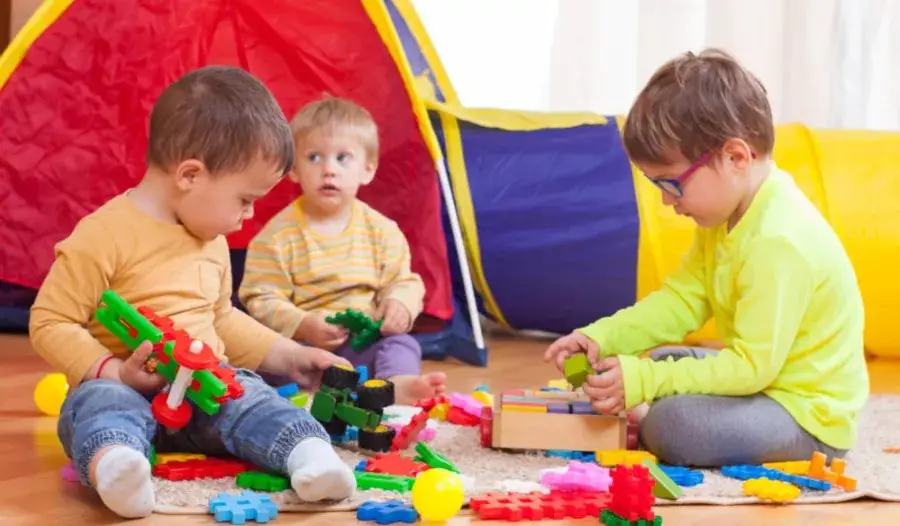
During the second year of life, many toddlers engage in parallel play, where they play alongside other children without directly interacting. Although parents may assume this means their child is not interested in making friends, parallel play is an essential developmental stage. By watching how other children play, toddlers learn social cues, imitate new behaviors, and become more comfortable sharing the same space. These experiences prepare them for cooperative play later, when children begin talking, sharing toys, and working together during activities.
By the age of 2 to 3 years, many toddlers start showing clear signs that they are ready to build friendships. They may recognize familiar playmates, become excited to see the same child again, imitate another child’s actions, or invite someone to join a game. Some toddlers also begin demonstrating empathy by comforting a crying friend, offering a favorite toy, or noticing another child’s emotions. These behaviors show that important social skills are developing naturally through everyday interactions.
Every toddler reaches these milestones at a different pace. Children with outgoing personalities may approach peers quickly, while more reserved toddlers often spend extra time observing before joining a group. Neither approach is better than the other. Consistent opportunities to interact with peers, patient encouragement from parents, and a supportive environment are far more important than how early a child makes their first friend.
Why Do Some Toddlers Have Trouble Making Friends?
Many toddlers find it difficult to make friends because social skills are still developing during the first few years of life. Children between 1 and 3 years old are learning how to communicate, understand emotions, manage frustration, and cooperate with others at the same time. Struggling to interact with peers is usually part of normal development rather than a sign of poor social ability.
A toddler’s personality also influences how they approach new social situations. Some children are naturally outgoing and eager to join group activities, while others prefer to observe before participating. A cautious or shy toddler may need several visits to the same playground or playgroup before feeling comfortable enough to interact with other children. Allowing them to warm up at their own pace helps build confidence and reduces anxiety.
Language development plays an equally important role in forming friendships. Toddlers who have limited vocabulary may become frustrated when they cannot express their needs or understand what another child is saying. This frustration can lead to grabbing toys, crying, or walking away from play instead of communicating. As language skills improve through daily conversations, reading books together, and interactive play, many children become more confident during social interactions.
Some toddlers also experience separation anxiety or feel overwhelmed in busy environments. A child who stays close to a parent at birthday parties or avoids large groups is not necessarily unfriendly. They may simply need more time to adjust to unfamiliar people and surroundings. Starting with one-on-one playdates or small groups often feels less intimidating and allows children to practice social skills without excessive pressure.
Parents should also remember that every toddler develops at a unique pace. Some children build friendships before their second birthday, while others become socially confident closer to preschool age. As long as a toddler continues making progress in communication, play, and emotional development, differences in social timing are usually expected. Patience, consistent opportunities to interact with peers, and positive encouragement are often more effective than trying to speed up the process.
How Can Parents Help Toddlers Make Friends?
Parents can help toddlers make friends by giving them regular opportunities to interact with other children, teaching basic social skills through everyday activities, and creating a supportive environment where children feel safe practicing new behaviors. Friendships develop through repeated experiences, so small, positive interactions are often more valuable than occasional large social events.
Create regular opportunities for your toddler to spend time with peers. Frequent exposure helps children become familiar with social situations and reduces anxiety around unfamiliar faces. Visits to neighborhood playgrounds, library story sessions, parent-and-child classes, or small playgroups give toddlers repeated chances to observe, interact, and gradually build confidence. Scheduling playdates with the same child every week can also help because familiarity makes social interaction feel more comfortable.
Teach social skills during everyday routines instead of waiting for playdates. Simple activities at home can reinforce important behaviors such as sharing, taking turns, asking politely, and recognizing emotions. For example, taking turns stacking blocks, rolling a ball back and forth, or sharing snacks with siblings teaches cooperation in a low-pressure setting. These daily experiences become the foundation for positive interactions with other children.
Model the behavior you want your toddler to copy. Young children learn by observing trusted adults, so they pay close attention to how parents greet neighbors, speak politely, show kindness, and resolve disagreements. Saying “Hello,” “Thank you,” “Can I play with you?” or “Let’s take turns” during family activities provides natural examples that toddlers can imitate when they meet other children.
Encourage your toddler to solve small social challenges before stepping in. If two children both want the same toy, give them a few moments to communicate or find a solution on their own while you supervise. Immediate adult intervention can prevent children from practicing negotiation and problem-solving. Offering gentle guidance only when necessary helps toddlers build confidence in handling simple conflicts independently.
Praise positive social behaviors instead of focusing only on results. Celebrate actions such as sharing a toy, inviting another child to play, waiting patiently for a turn, or showing kindness after someone is upset. Specific praise like, “You shared your truck with Ethan. That was very thoughtful,” helps toddlers understand exactly which behaviors lead to positive social experiences and encourages them to repeat those actions.
Keep expectations realistic and respect your child’s temperament. Some toddlers happily join a group within minutes, while others need time to observe before participating. Avoid labeling your child as shy or comparing them with more outgoing peers. Providing encouragement without pressure allows toddlers to develop genuine confidence and form friendships at a pace that matches their personality and developmental readiness.
What Activities Help Toddlers Build Friendships?
The best activities for helping toddlers build friendships are those that encourage cooperation, communication, and shared experiences. Children learn social skills most effectively through play because it allows them to practice taking turns, solving simple problems, and interacting with peers in a fun, low-pressure environment.
Playdates are one of the easiest ways to help toddlers develop friendships. Keeping the group small, ideally with one or two children of a similar age, makes it easier for toddlers to feel comfortable and engage with each other. Choosing familiar activities, such as building blocks, toy kitchens, or bubbles, gives children a shared focus and reduces the pressure to start conversations on their own. Regular playdates with the same children also help toddlers recognize familiar faces and gradually develop stronger social connections.
Pretend play encourages toddlers to communicate, cooperate, and use their imagination together. Activities such as pretending to cook a meal, care for stuffed animals, or run a grocery store naturally require children to share roles and respond to each other’s ideas. Even if their conversations are simple, they are practicing important friendship skills, including listening, cooperation, and flexibility.
Outdoor play provides opportunities for children to interact naturally while staying active. Playing at a neighborhood playground, kicking a ball, drawing with sidewalk chalk, or exploring a nature trail encourages toddlers to observe other children and join shared activities without feeling pressured. Open spaces also give energetic toddlers room to move freely, making social interactions feel more relaxed and enjoyable.
Group activities such as library story time, music classes, toddler gymnastics, or parent-and-child art sessions expose children to consistent social experiences. Seeing the same children regularly helps toddlers become familiar with their peers, making it easier to greet them, play together, and eventually form friendships. Repeated participation is often more beneficial than attending many different activities because familiarity builds confidence.
Preschool and daycare can also support friendship development by giving toddlers daily opportunities to practice social skills in a structured environment. Teachers encourage children to cooperate, solve simple disagreements, and participate in group activities while providing guidance when conflicts arise. Although not every toddler attends preschool or daycare, parents can create similar experiences through community playgroups, family gatherings, or neighborhood meetups where children have regular opportunities to interact with peers.
What Mistakes Should Parents Avoid?
Parents can unintentionally make it harder for toddlers to develop friendships by placing too much pressure on social interactions or stepping in too quickly when challenges arise. Avoiding a few common mistakes gives children more opportunities to build confidence and learn essential social skills through experience.
Forcing a toddler to interact with other children is one of the most common mistakes. Encouraging a child to say hello or join a game is helpful, but insisting they participate before they feel comfortable can increase anxiety and make future social situations more stressful. Toddlers build confidence more easily when they are allowed to observe first and join activities when they feel ready.
Comparing your toddler to siblings, friends, or classmates can also be discouraging. Every child develops social skills at a different pace based on their temperament, language development, and life experiences. Comments such as “Look how easily she makes friends” or “Your brother never acted like this” may lower a child’s confidence instead of motivating them. Focusing on your toddler’s individual progress creates a more positive learning environment.
Another mistake is solving every disagreement between children immediately. Minor conflicts over toys, games, or personal space are a natural part of learning how friendships work. As long as everyone is safe, giving toddlers a chance to communicate, wait for a turn, or accept simple guidance helps them develop problem-solving and emotional regulation skills. Parents should step in when conflicts become aggressive or children cannot resolve the situation after reasonable support.
Many parents also expect friendships to look like adult relationships. Toddlers often switch playmates quickly, play together for only a few minutes, or spend time playing independently even when they are with friends. These behaviors are developmentally appropriate and do not mean a child is struggling socially. Friendship at this age is measured by positive interactions and growing social confidence rather than long conversations or strong emotional bonds.
Finally, avoid filling every day with organized activities in the hope of increasing social opportunities. Toddlers benefit from regular interaction with peers, but they also need unstructured play and quiet time to process new experiences. A balanced routine that includes free play, family activities, and occasional social gatherings is usually more effective than a packed schedule. Children who feel rested and emotionally secure are often more willing to explore new friendships and enjoy spending time with others.
When Should Parents Be Concerned?
Most toddlers develop social skills at their own pace, so taking longer to make friends is usually not a cause for concern. Some children are naturally more reserved, while others need additional time to feel comfortable around new people. As long as your toddler continues to make progress in communication, play, and emotional development, differences in social confidence are generally part of normal development.
However, certain behaviors may indicate that your child could benefit from further evaluation. If your toddler consistently avoids all interaction with other children, rarely makes eye contact, does not respond to their name, shows little interest in communicating, or becomes extremely distressed in every social setting beyond what is expected for their age, it is worth discussing these concerns with your pediatrician. Difficulties with language development, hearing, or developmental conditions can sometimes affect a child’s ability to build friendships.
Parents should also pay attention to whether social challenges continue over time instead of gradually improving. A toddler who occasionally struggles during playdates is very different from a child who never attempts to engage with peers after months of regular opportunities. Looking for steady progress is often more helpful than comparing your child with developmental milestones on a strict timeline.
If you are concerned, start by sharing specific observations with your pediatrician. Keeping notes about your toddler’s behavior during playdates, daycare, or family gatherings can help identify patterns and determine whether additional screening or support is needed. Early intervention, when appropriate, can improve communication, emotional regulation, and social skills while children are still developing rapidly.
Frequently Asked Questions
Is it normal if my toddler prefers playing alone?
Yes. Many toddlers spend much of their time in parallel play, where they play beside other children instead of directly with them. This stage is a normal part of social development and usually comes before cooperative play and lasting friendships.
How many friends does a toddler need?
Toddlers do not need a large group of friends to develop healthy social skills. Having one or two familiar playmates and regular opportunities to interact with other children is usually enough to support friendship development during the early years.
Can daycare or preschool help toddlers make friends?
Yes. Preschool and daycare provide consistent opportunities for toddlers to practice sharing, taking turns, communicating, and cooperating with peers. These repeated interactions often help children become more comfortable building friendships over time, although similar experiences can also be created through playgroups and community activities.
What if my toddler keeps getting rejected by other children?
Stay calm and avoid blaming your child or the other children. Observe what happens during play, identify any skills that may need extra practice, such as sharing or waiting for a turn, and continue arranging positive social experiences with small groups. Most toddlers improve their friendship skills as they gain more experience and confidence.