
If you’re wondering whether your teenager is getting enough sleep, you’re not alone. Many parents notice their teens staying up later, struggling to wake up for school, or sleeping until noon on weekends. While these habits can be frustrating, they often reflect more than poor bedtime choices. During adolescence, the body undergoes significant physical, hormonal, and brain development, increasing the need for quality sleep while simultaneously shifting the natural sleep-wake cycle.
Most teenagers between 13 and 18 years old need 8–10 hours of sleep each night, while many 19-year-olds still benefit from at least 7–9 hours as they transition into adulthood. Getting enough sleep supports learning, emotional regulation, healthy growth, athletic recovery, and immune function. In contrast, chronic sleep deprivation can affect school performance, mental health, and long-term well-being.
This guide explains teenage sleep requirements by age, why teenagers naturally stay up later than younger children, and how parents can recognize signs of insufficient sleep. You’ll also learn practical strategies to help your teen develop healthier sleep habits and discover when poor sleep may require medical attention.
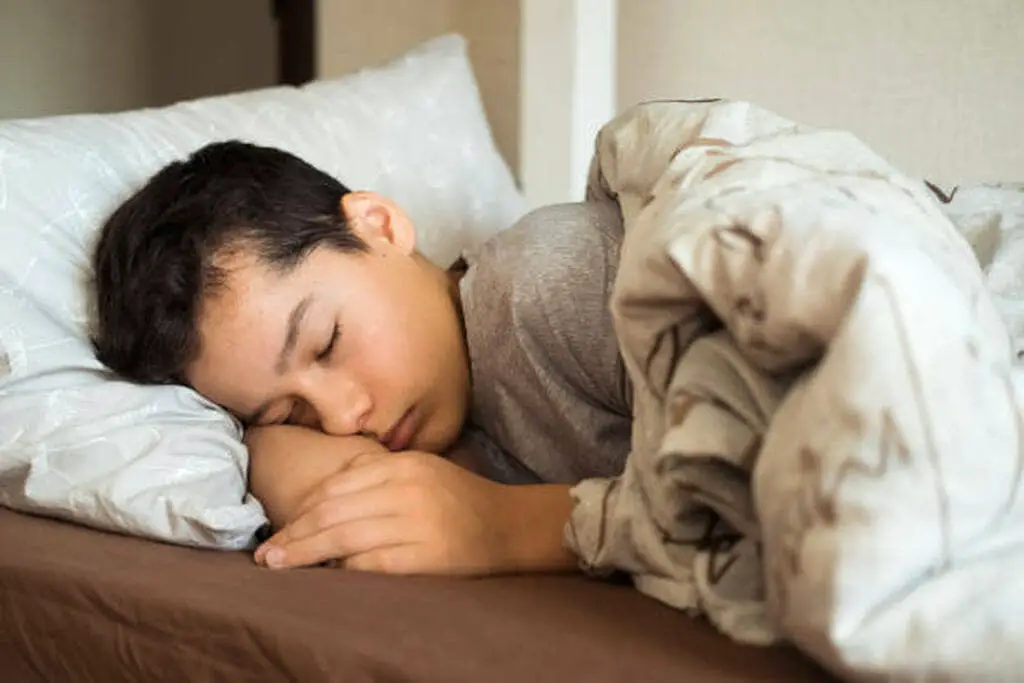
How Much Sleep Do Teenagers Need by Age?
Teenagers aged 13–18 need 8–10 hours of sleep each night, according to recommendations from the American Academy of Sleep Medicine (AASM). Although sleep needs remain relatively stable throughout adolescence, individual requirements vary depending on growth, physical activity, overall health, and sleep quality. By age 19, many young adults transition toward the adult recommendation of 7–9 hours, but many still perform best with around eight hours or more.
The table below provides a simple reference for parents.
| Age | Recommended Sleep | Minimum Target |
|---|---|---|
| 13 years | 8–10 hours | At least 8 hours |
| 14 years | 8–10 hours | At least 8 hours |
| 15 years | 8–10 hours | At least 8 hours |
| 16 years | 8–10 hours | At least 8 hours |
| 17 years | 8–10 hours | At least 8 hours |
| 18 years | 8–10 hours | At least 8 hours |
| 19 years | 7–9 hours | Around 7 hours |
Parents often assume that sleep needs decrease dramatically after middle school. In reality, the opposite is true. During adolescence, the brain continues to mature, hormones drive rapid physical development, and the body spends more time repairing tissues and consolidating memories. These processes require consistent, high-quality sleep every night.
Sleep quality is just as important as sleep duration. A teenager who spends nine hours in bed but wakes up repeatedly because of late-night screen use, stress, or an inconsistent schedule may still experience the effects of sleep deprivation. Deep sleep and REM sleep are the stages that support learning, emotional regulation, immune function, and physical recovery.
Rather than focusing only on the number of hours slept, parents should also consider whether their teenager wakes up feeling rested, stays alert throughout the day, and can concentrate at school without relying on excessive caffeine or long daytime naps. Consistently meeting the recommended sleep range is associated with better academic performance, improved mood, stronger immunity, and healthier physical development throughout the teenage years.
Why Do Teenagers Need More Sleep?
Teenagers need more sleep because their brains and bodies are still developing rapidly. During adolescence, sleep supports physical growth, learning, emotional regulation, hormone production, and muscle recovery. Although teenagers may look like adults, many of the biological processes that shape healthy adulthood are still taking place while they sleep.
One of the biggest changes during puberty is a shift in the body’s internal clock, known as the circadian rhythm. As puberty progresses, the brain releases the sleep hormone melatonin later in the evening than it does in younger children. This natural delay makes many teenagers feel wide awake at 9 or 10 p.m. even though they still need to wake up early for school. As a result, many teens struggle to get the recommended amount of sleep on school nights.
Sleep also plays a critical role in brain development. During deep sleep, the brain strengthens neural connections, organizes newly learned information, and removes unnecessary connections through a process called synaptic pruning. During REM sleep, the brain processes emotions, stores memories, and improves problem-solving skills. These processes help teenagers concentrate in class, retain new information, and make better decisions throughout the day.
Physical development is another reason teenagers need adequate sleep. Most growth hormone is released during deep sleep, supporting bone growth, muscle repair, and healthy development during puberty. Athletes and highly active teens may need even more recovery time because intense physical activity increases the body’s demand for restorative sleep.
Adequate sleep also helps regulate mood and overall health. Teenagers who regularly sleep within the recommended range are more likely to manage stress effectively, maintain stable energy levels, and support a healthy immune system. In contrast, chronic sleep loss can make everyday challenges feel more difficult by increasing irritability, reducing attention, and slowing reaction time.
For parents, understanding these biological changes is important. A teenager who naturally falls asleep later is not necessarily being lazy or irresponsible. Their body clock has shifted, but their need for sleep remains high. Helping teens maintain a consistent bedtime, even if it is slightly later than during childhood, is often more effective than expecting them to fall asleep unusually early.
What Happens If Teenagers Do Not Get Enough Sleep?
Not getting enough sleep affects nearly every aspect of a teenager’s health, from learning and emotional well-being to physical growth and daily safety. While one late night is unlikely to cause lasting harm, consistently sleeping less than the recommended amount can reduce academic performance, increase the risk of mental health problems, weaken the immune system, and make everyday activities more dangerous.
Poor academic performance and difficulty learning
Sleep is essential for memory consolidation and concentration. During sleep, the brain processes information learned throughout the day and transfers it into long-term memory. When teenagers regularly sleep too little, this process becomes less efficient, making it harder to focus in class, solve problems, and retain new information.
Parents may notice that a sleep-deprived teen takes longer to complete homework, forgets assignments, struggles during tests, or loses motivation at school. These problems are often mistaken for poor study habits when inadequate sleep is one of the underlying causes.
Mood changes and mental health challenges
Chronic sleep deprivation has a direct impact on emotional regulation. Teenagers who do not get enough sleep are more likely to experience irritability, frequent mood swings, anxiety, and symptoms of depression. Even small daily challenges can feel overwhelming because the brain has less capacity to manage stress after insufficient rest.
Poor sleep can also affect relationships. Teens who are constantly tired may withdraw from family activities, argue more often with parents or siblings, or lose interest in hobbies and social interactions. Improving sleep habits often leads to noticeable improvements in mood, patience, and emotional resilience.
Slower physical growth and weaker immunity
Deep sleep is when the body performs much of its physical recovery. Growth hormone is released during this stage to support bone development, muscle repair, and healthy puberty. At the same time, the immune system produces proteins and immune cells that help the body fight infections.
When sleep is consistently shortened, teenagers may recover more slowly after sports, feel tired throughout the day, or become more susceptible to common illnesses such as colds and seasonal viruses. Active teenagers may also experience reduced athletic performance because their muscles have less time to repair between training sessions.
Increased risk of accidents and unhealthy habits
Sleep deprivation slows reaction time, reduces attention, and impairs judgment. These effects increase the likelihood of sports injuries, bicycle and driving accidents, and other preventable mistakes. Older teenagers who have recently started driving are particularly vulnerable because drowsy driving can impair reaction time in a way that is comparable to alcohol impairment.
Insufficient sleep is also associated with unhealthy lifestyle habits. Tired teenagers are more likely to consume caffeinated drinks, skip breakfast, crave high-sugar foods, and spend more time on screens late at night. These behaviors can further disrupt sleep, creating a cycle that becomes increasingly difficult to break.
For most teenagers, the consequences of poor sleep develop gradually rather than overnight. Parents who recognize these warning signs early and help establish consistent sleep routines can often improve their teenager’s health, mood, and academic performance before chronic sleep deprivation becomes a long-term problem.
Read more: How Much Sleep Does a Toddler Need? Age-by-Age Sleep Guide
How Can Parents Help Teenagers Get Enough Sleep?
Parents can help teenagers get enough sleep by building consistent daily routines rather than simply enforcing an earlier bedtime. Because biological changes during puberty naturally delay sleep onset, successful strategies focus on improving sleep habits and creating an environment that supports healthy sleep.
Keep a consistent sleep schedule
Going to bed and waking up at roughly the same time every day is one of the most effective ways to improve sleep quality. A regular schedule helps stabilize the body’s internal clock, making it easier for teenagers to fall asleep naturally at night and wake up feeling refreshed in the morning.
Aim to keep weekend sleep-ins within one to two hours of the weekday wake-up time. Sleeping until noon after a week of insufficient sleep may provide temporary relief, but it can further delay the body’s sleep cycle and make Sunday night insomnia more likely.
Limit screen time before bed
Phones, tablets, laptops, and gaming devices are among the biggest obstacles to healthy sleep. Blue light emitted from screens suppresses melatonin production, making it harder for the brain to recognize that it is time to sleep. In addition, social media, online conversations, and video games keep the brain mentally stimulated when it should be winding down.
Encourage your teenager to stop using electronic devices at least 30–60 minutes before bedtime. Replacing screen time with relaxing activities such as reading, listening to calming music, or taking a warm shower can make falling asleep easier.
Create a bedroom that supports sleep
A comfortable sleep environment improves both sleep duration and sleep quality. The bedroom should be quiet, dark, and cool, with a comfortable mattress and pillow. Blackout curtains, white noise machines, or earplugs may be helpful if outside light or noise regularly interrupts sleep.
Whenever possible, avoid allowing televisions, computers, or smartphones to remain in the bedroom overnight. Charging devices outside the room reduces late-night scrolling and minimizes sleep interruptions caused by notifications.
Encourage healthy daytime habits
Daily habits influence how easily teenagers fall asleep at night. Regular physical activity helps regulate the sleep-wake cycle, while exposure to natural daylight—especially in the morning—reinforces the body’s circadian rhythm. A balanced diet and consistent meal times also support healthy sleep patterns.
Parents should also monitor caffeine intake. Coffee, energy drinks, strong tea, and some soft drinks can remain in the body for several hours. Limiting caffeine in the afternoon and evening reduces the chance of difficulty falling asleep.
Model healthy sleep habits
Teenagers are more likely to value sleep when they see adults doing the same. Parents who maintain consistent bedtimes, avoid excessive screen use before bed, and prioritize adequate rest send a stronger message than rules alone. Family routines—such as eating dinner together, reducing household noise in the evening, and maintaining predictable schedules—can make healthy sleep feel like a normal part of daily life rather than a punishment.
Improving a teenager’s sleep habits rarely happens overnight. Small, consistent changes are usually more effective than strict rules or sudden schedule changes. By creating an environment that supports healthy sleep and respecting the biological changes that occur during adolescence, parents can help their teenagers consistently achieve the recommended amount of rest.
Can Teenagers Catch Up on Sleep During Weekends?
Teenagers can recover some of the effects of sleep loss by sleeping longer on weekends, but they cannot fully make up for chronic sleep deprivation. Extra weekend sleep may reduce daytime fatigue and improve alertness temporarily, yet it does not completely reverse the effects of multiple nights of insufficient sleep on learning, mood, metabolism, and overall health.
Many teenagers accumulate a “sleep debt” during the school week because they stay up late but still have to wake up early for school. Sleeping one or two extra hours on Saturday and Sunday can help reduce this sleep debt. However, sleeping until late morning or early afternoon often shifts the body’s internal clock even further, making it harder to fall asleep on Sunday night and wake up on Monday morning.
A better approach is to prioritize adequate sleep every night while keeping bedtime and wake-up time as consistent as possible. If your teenager needs extra rest after a particularly busy week, limit weekend sleep-ins to about one or two hours later than their usual wake-up time. This strategy provides additional recovery without disrupting the circadian rhythm.
If your teenager regularly relies on weekend sleep to compensate for weekday exhaustion, it may be a sign that their weekday schedule needs adjustment. Earlier bedtimes, reduced evening screen time, or changes to after-school commitments can help create a healthier and more sustainable sleep routine.
Frequently Asked Questions About Teenage Sleep Requirements
Is 7 hours of sleep enough for a teenager?
No. For most teenagers between 13 and 18 years old, seven hours of sleep is below the recommended range of 8–10 hours per night. While an occasional short night is unlikely to cause lasting harm, consistently sleeping only seven hours can lead to daytime sleepiness, reduced concentration, slower learning, and mood changes.
Can teenagers sleep too much?
Yes, but it is less common than insufficient sleep. Sleeping 10–12 hours occasionally after a demanding week or illness is usually normal. However, regularly sleeping much longer than recommended despite getting enough nighttime rest may indicate poor sleep quality, depression, certain medical conditions, or another underlying health issue. Parents should consult a healthcare professional if excessive sleep is persistent and accompanied by other symptoms.
Are naps good for teenagers?
Short naps can be beneficial when used appropriately. A 20–30 minute nap in the early afternoon may improve alertness and concentration without interfering with nighttime sleep. Long naps taken late in the day, however, can make it more difficult to fall asleep at bedtime and may worsen an already inconsistent sleep schedule.
Does screen time affect sleep quality?
Yes. Smartphones, tablets, computers, and televisions can delay sleep by exposing teenagers to blue light, which suppresses melatonin production. Interactive activities such as gaming, social media, and messaging also increase mental stimulation, making it harder to relax before bed. Creating a screen-free period during the last hour before bedtime is one of the simplest ways to improve sleep quality.
What foods and drinks help teenagers sleep better?
A balanced evening meal supports healthy sleep better than supplements or special “sleep foods.” Foods containing complex carbohydrates, lean protein, magnesium, or tryptophan—such as oatmeal, yogurt, bananas, whole-grain toast, or nuts—may promote relaxation as part of an overall healthy diet. At the same time, teenagers should avoid caffeine, energy drinks, and large, heavy meals close to bedtime because they can interfere with falling asleep.
Final Thoughts
Getting enough sleep is one of the most important investments in a teenager’s physical health, emotional well-being, and academic success. Although puberty naturally shifts the body’s internal clock, teenagers still require 8–10 hours of quality sleep throughout most of adolescence. Understanding these biological changes allows parents to replace frustration with practical strategies that support healthier sleep habits.
Rather than focusing only on bedtime, parents should aim to create consistent daily routines, encourage healthy daytime habits, reduce evening screen use, and recognize the early signs of sleep deprivation. Small changes made consistently are far more effective than relying on weekend catch-up sleep or occasional early nights.
If your teenager continues to struggle with excessive daytime sleepiness, loud snoring, difficulty staying asleep, or persistent fatigue despite following healthy sleep habits, it’s a good idea to speak with your child’s healthcare provider or a sleep specialist. Identifying and treating sleep problems early can support healthier development throughout adolescence and into adulthood.