Starting preschool is one of the biggest milestones in a toddler’s early years, and it can feel just as emotional for parents. While many moms worry about whether their child knows enough letters, numbers, or colors, preschool readiness is much broader than academic skills. A smooth transition depends on your toddler feeling safe, following simple routines, communicating basic needs, and becoming more comfortable spending time away from you.
The good news is that preparing a toddler for preschool doesn’t require months of formal teaching or expensive learning programs. Small, consistent habits at home—such as encouraging independence, establishing predictable routines, and practicing social interactions through everyday play—build the confidence children need to thrive in a classroom. These experiences help toddlers adapt to new environments, cooperate with teachers, and connect with classmates more easily.
Every child develops at a different pace, so there is no single checklist that guarantees preschool success. Instead of trying to create a “perfectly prepared” child, the goal is to help your toddler feel secure, curious, and capable of handling new experiences. Parents who focus on emotional readiness alongside practical life skills often find that the first weeks of preschool become less stressful for the entire family.
This guide explains when to begin preparing your toddler, the daily routines and life skills that matter most, ways to ease separation anxiety, and practical strategies you can use at home to help your child start preschool with confidence.
When should you start preparing your toddler for preschool?
The best time to prepare your toddler for preschool is 2 to 3 months before the first day of school. This gives your child enough time to adjust to new routines, practice independence, and become comfortable with the idea of attending preschool without feeling overwhelmed. If your child is starting preschool sooner, don’t worry—consistent daily practice can still make a meaningful difference.
Rather than teaching academic skills, use this preparation period to introduce habits your toddler will experience in the classroom. Wake your child at the same time each morning, establish a predictable bedtime, encourage independent handwashing, and practice cleaning up toys after play. These routines create familiarity, making the preschool schedule feel less intimidating when school begins.
Another important step is helping your toddler understand what preschool is like. Talk about school in a positive, matter-of-fact way instead of building it up as a major event. Read picture books about starting preschool, look at photos of the classroom if they’re available, or walk past the school during family outings. If the preschool offers an orientation or classroom visit, take advantage of it so your child can meet the teacher and explore the environment before the first day.
Parents should also remember that preschool readiness looks different for every child. Some toddlers are eager to meet new friends, while others need more time to adjust to unfamiliar people and places. Comparing your child with siblings or classmates often creates unnecessary pressure. Focus instead on gradual progress and celebrate small milestones, such as separating from you for a short period, following a simple routine independently, or expressing excitement about going to school.
Instead of asking whether your toddler is “ready enough,” look for signs that they are developing the skills needed to succeed in a preschool environment. Your child may be ready if they can:
- Follow one- or two-step directions, such as “Put your shoes by the door.”
- Express basic needs using words or simple phrases.
- Stay with another trusted caregiver for a short period.
- Show curiosity about other children and group activities.
- Practice simple self-help skills, such as washing hands or putting on shoes with minimal assistance.
- Adapt to predictable daily routines without significant difficulty.
It’s completely normal if your toddler hasn’t mastered every skill before preschool starts. Teachers expect children to arrive with different abilities and continue learning through daily classroom experiences. The goal of preparation is not perfection—it’s helping your child feel confident enough to explore, participate, and enjoy this new stage of learning.
How can you prepare your toddler emotionally for preschool?
Emotional readiness is one of the strongest predictors of a positive preschool experience. A toddler who feels secure, trusts their caregivers, and understands what to expect is more likely to adapt to a new classroom than a child who has memorized letters or numbers. Parents can build this confidence through consistent routines, positive conversations, and gradual exposure to short separations.
Talk about preschool as an exciting part of your child’s routine rather than a major life event. Use simple, reassuring language to explain what will happen during the day. For example, you might say, “You’ll play with toys, listen to stories, have a snack, and I’ll pick you up after your fun day.” Keeping your explanation concrete helps toddlers understand what to expect and reduces uncertainty, which is often the biggest source of anxiety.
Practice short separations before preschool begins. Leave your toddler with a trusted grandparent, family member, or babysitter for increasing periods of time while maintaining a predictable goodbye routine. Start with 30 to 60 minutes and gradually extend the time as your child becomes more comfortable. Each successful separation teaches your toddler that you always return, strengthening their sense of security.
If possible, introduce your child to the preschool environment before the first day. Attend orientation events, explore the playground, or drive by the school and point it out during everyday outings. Seeing familiar faces, classrooms, or play areas ahead of time makes the environment feel less intimidating when preschool officially starts.
Role-playing is another effective way to prepare toddlers for new experiences. Pretend to be the teacher while your child practices hanging up a backpack, joining circle time, cleaning up toys, or saying goodbye at the classroom door. Switching roles and letting your toddler become the teacher can also make preschool feel familiar and fun while encouraging communication and problem-solving skills.
Some children will still cry during the first few days or even the first few weeks of preschool. This reaction is completely normal and does not necessarily mean they are not ready. Most toddlers calm down shortly after their parent leaves and begin participating in classroom activities once their attention shifts to play. Teachers are experienced in helping children through this transition and can provide reassurance when needed.
Parents also play an important role in shaping their child’s emotional response. Children often notice facial expressions, tone of voice, and body language before they understand words. Staying calm, speaking confidently, and following a short, consistent goodbye routine communicates that preschool is a safe place. Avoid sneaking away without saying goodbye or extending farewells for several minutes, as both approaches can increase confusion and make future drop-offs more difficult.
Building emotional readiness is an ongoing process rather than a one-time activity. Every positive conversation, successful separation, and predictable routine helps your toddler develop the confidence needed to explore a new environment, build relationships, and enjoy the preschool experience.
What daily routines help toddlers adjust to preschool?
A consistent daily routine helps toddlers adapt to preschool more quickly because it creates predictability. When children know what happens next—whether it’s waking up, getting dressed, eating breakfast, or leaving the house—they spend less energy coping with unexpected changes and more energy engaging with new experiences. Establishing these routines several weeks before preschool starts allows your child to transition into the school schedule gradually instead of adjusting overnight.
A healthy sleep routine is the foundation of preschool readiness. Most toddlers between the ages of 2 and 5 need 10 to 13 hours of sleep within a 24-hour period, including naps. An overtired child is more likely to struggle with separation, become frustrated during group activities, and have difficulty following directions. Two to three weeks before preschool begins, gradually shift bedtime and wake-up time to match the school’s schedule. A predictable bedtime routine—such as taking a bath, reading a story, and turning off the lights at the same time each evening—also helps your child fall asleep more easily.
Morning routines are equally important because they set the tone for the rest of the day. Try to wake your toddler with enough time to get dressed, eat breakfast, brush their teeth, and leave the house without rushing. Following the same sequence every morning helps children understand what comes next and reduces resistance. Visual routine charts with simple pictures can also help toddlers participate independently, even if they cannot read yet.
Mealtimes offer another opportunity to prepare for preschool. Encourage your toddler to sit at the table for the length of a typical meal, practice drinking from an open cup if appropriate, and use child-sized utensils with minimal assistance. If your child will bring lunch to preschool, occasionally serve food in the lunchbox they will use at school. This gives them time to practice opening containers, peeling fruit, or unwrapping snacks without becoming frustrated in the classroom.
Daily routines should also include opportunities to practice responsibility through simple, age-appropriate tasks. Ask your toddler to put shoes in a designated spot, place dirty clothes in a laundry basket, clean up toys before moving to another activity, or carry their own backpack to the car. These small responsibilities strengthen independence and teach children to follow classroom expectations, where they will regularly be asked to tidy up, organize belongings, and complete simple tasks on their own.
Finally, reduce unnecessary stress by limiting last-minute changes during the weeks leading up to preschool. Keep meal times, nap times, and bedtime as consistent as possible, even on weekends. Predictable routines help toddlers feel secure, making it easier for them to adjust to a new classroom, new teachers, and new friends. By the time preschool begins, many parts of their day will already feel familiar, allowing them to focus on learning and building relationships instead of adapting to an entirely new schedule.
What skills should toddlers learn before preschool?
Toddlers do not need to master reading, writing, or math before starting preschool. Most preschool teachers expect children to arrive with a wide range of abilities and design classroom activities that support different developmental stages. Instead of focusing on academic achievement, parents should help their child build practical life skills, communication, and basic social behaviors that make everyday classroom routines easier to navigate.
One of the most valuable areas to develop is independence. Preschool teachers care for multiple children at once, so toddlers who can complete simple tasks with minimal assistance often feel more confident throughout the day. Encourage your child to practice putting on and taking off their shoes, pulling up their pants after using the bathroom, washing and drying their hands, hanging up a jacket, and putting toys away after playtime. These everyday activities reduce frustration and help children participate more fully in classroom routines.
Communication skills are equally important. Your toddler does not need a large vocabulary, but they should be able to express basic needs and understand simple conversations. Practice using words or short sentences to ask for help, request a drink of water, tell an adult they need the bathroom, or explain when they feel sad or upset. Reading together every day, asking open-ended questions, and encouraging conversations during meals naturally strengthen language development without making learning feel like a lesson.
Following simple directions is another skill that supports a successful preschool experience. Teachers frequently give one- or two-step instructions, such as “Hang up your backpack and sit on the rug.” At home, create opportunities to practice similar tasks during everyday routines. Ask your toddler to put a book on the shelf, bring their shoes to the door, or place dirty clothes in the laundry basket. As they become more confident, gradually introduce two-step directions to strengthen listening and attention skills.
Social skills also play a major role in preschool readiness. Young children are still learning how to share, wait for a turn, and play alongside others, so perfection is not the goal. Arrange playdates, visit playgrounds, or participate in community activities where your toddler can interact with children of similar ages. These experiences teach them how to take turns, solve simple disagreements, and cooperate during group activities—skills they will use every day in preschool.
Parents often wonder whether potty training is required before preschool. The answer depends on the school’s policies. Some programs require children to be fully toilet trained, while others accept toddlers who are still learning. Regardless of the requirement, introducing bathroom routines before preschool helps your child become more independent. Encourage them to recognize when they need to use the toilet, practice washing their hands afterward, and learn how to manage simple clothing independently. If your child is still having accidents, communicate openly with the preschool so teachers understand their current stage of development.
Perhaps the most important skill of all is resilience. Preschool introduces unfamiliar people, routines, and expectations, and toddlers will not handle every situation perfectly. Give your child opportunities to try new activities, make small mistakes, and solve simple problems with your support instead of immediately stepping in. Every successful challenge—whether it’s opening a snack container, asking another child to play, or recovering after a difficult drop-off—builds confidence that carries into the classroom.
When parents prioritize independence, communication, social interaction, and emotional resilience over early academics, they prepare their toddler for what preschool is truly designed to teach: learning through exploration, relationships, and everyday experiences.
How can you help your toddler learn through play at home?
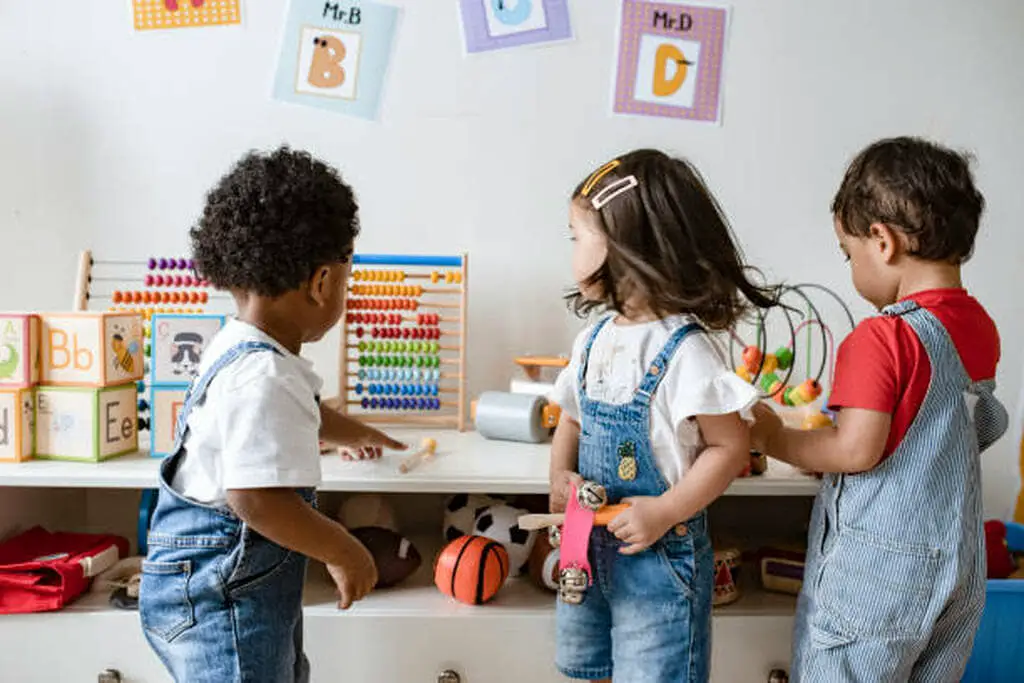
Play is one of the most effective ways to prepare a toddler for preschool because it develops the same skills children use in the classroom. Through everyday play, toddlers learn to communicate, solve problems, follow directions, and regulate their emotions without feeling pressured to perform. Instead of setting up formal lessons, focus on activities that encourage curiosity, independence, and interaction.
Reading together every day is one of the simplest ways to prepare your toddler for preschool. Choose books about starting school, making friends, sharing, or trying new experiences. As you read, ask questions like, “How do you think the character feels?” or “What would you do next?” These conversations strengthen vocabulary, listening comprehension, and emotional awareness while helping your child become familiar with situations they may soon experience themselves. Reading also builds the attention span needed for circle time and story sessions in preschool.
Pretend play gives toddlers a safe way to explore new routines before they experience them in real life. Create a simple “preschool” at home using stuffed animals or dolls as classmates. Take turns being the teacher and the student, practicing activities such as hanging up a backpack, greeting friends, washing hands before snack time, cleaning up toys, or sitting together for a story. Acting out these routines reduces uncertainty and helps children understand what a typical preschool day might look like.
Hands-on activities strengthen fine motor skills that toddlers use throughout the preschool day. Invite your child to build with blocks, complete simple puzzles, stack cups, string large beads, tear and glue paper, or draw with crayons and washable markers. These activities improve hand strength, coordination, and finger control, making it easier to hold art supplies, turn book pages, and manipulate classroom materials. The goal is not to produce perfect artwork but to encourage exploration and persistence.
Everyday household activities also create valuable learning opportunities. Ask your toddler to sort socks by color, match lids to containers, water plants, stir pancake batter, or help set the table. These simple tasks build problem-solving skills, attention, and confidence while teaching children that they can contribute to family routines. They also introduce early concepts such as counting, sorting, sequencing, and following instructions naturally through play.
Outdoor play is equally important for preschool readiness. Running, climbing, jumping, kicking a ball, and balancing on playground equipment develop gross motor skills, coordination, and body awareness. Outdoor play also gives toddlers opportunities to interact with other children, practice waiting for a turn, and manage small challenges independently. These experiences support both physical development and social confidence before entering a classroom environment.
As your toddler plays, resist the urge to direct every activity or correct every mistake. Allow them time to experiment, ask questions, and find solutions on their own. If a tower falls or a puzzle piece doesn’t fit, encourage another attempt instead of providing the answer immediately. Independent problem-solving builds resilience and teaches children that mistakes are a normal part of learning.
The most meaningful preschool preparation doesn’t require expensive educational toys or structured lessons. A consistent routine of reading, imaginative play, creative activities, everyday responsibilities, and outdoor exploration gives toddlers repeated opportunities to develop the communication, independence, and confidence they need to thrive in preschool.
What should you pack and expect on the first day of preschool?
Preparing for the first day of preschool is about more than packing a backpack. Bringing the right essentials and knowing what to expect helps both parents and toddlers start the day with confidence. A little preparation can reduce last-minute stress and make the transition into the classroom much smoother.
Before the first day, check your preschool’s supply list, as requirements vary between programs. Most toddlers only need a few everyday items, including:
- A backpack that fits your child’s size.
- A labeled water bottle.
- A healthy snack or lunch if the preschool requires one.
- A complete change of clothes for accidents or messy activities.
- Weather-appropriate clothing, such as a sun hat, rain jacket, or extra sweater.
- Diapers, pull-ups, or wipes if requested by the preschool.
Label everything that belongs to your child, including clothing, lunch containers, water bottles, and comfort items. Preschool classrooms often have many children with similar belongings, and clear labels make it easier for teachers to return misplaced items.
Some preschools allow children to bring a comfort item, such as a small stuffed animal or family photo, especially during the first few weeks. These familiar objects can provide reassurance during moments of separation. If comfort items are permitted, choose one that is small, easy to carry, and not overly valuable in case it gets misplaced. As your child becomes more comfortable with the classroom, they will naturally rely on the item less.
The morning drop-off often feels more difficult for parents than for toddlers. Your child may cling to you, cry, or ask you to stay. These reactions are common because toddlers are adjusting to a new routine, not because preschool is a bad experience. Stay calm, give a warm hug, say goodbye confidently, and leave as planned. A short, predictable goodbye helps children understand that school is a normal part of the day and that you will always return.
Avoid extending the goodbye in an attempt to comfort your child. Staying longer, returning for “one more hug,” or leaving without saying goodbye can make separation more confusing. Instead, create a simple routine that you repeat every morning, such as a hug, a high-five, and a cheerful goodbye. Consistency helps toddlers know exactly what to expect and builds trust over time.
After pickup, remember that your toddler may need time to process the day’s experiences. Some children eagerly talk about what they did, while others become quiet, clingy, or unusually tired. These responses are normal after spending several hours following new routines, interacting with teachers, and playing with classmates.
Rather than asking broad questions like, “How was school?” try specific prompts that are easier for young children to answer. You might ask, “What game did you play today?”, “Who sat next to you at snack time?”, or “Did you read a story today?” These questions encourage conversation without making your child feel pressured to remember every detail.
The first week of preschool is a period of adjustment for the entire family. Some toddlers settle in after a few days, while others need several weeks to feel completely comfortable. Continue following your home routines, celebrate small successes, and stay in regular communication with your child’s teacher. With patience and consistency, most toddlers develop confidence and begin looking forward to preschool as a place to learn, play, and make new friends.
Read more: Positive Parenting Tips for Toddlers: 10 Proven Strategies
What mistakes should parents avoid before preschool?
Preparing a toddler for preschool is not about doing more—it’s about focusing on the right things. Many parents unintentionally create extra stress by emphasizing academic skills or changing routines too quickly. Avoiding a few common mistakes can make the transition smoother and help your toddler feel more confident during the first weeks of school.
Starting preparation too late
Preparing for preschool takes time because toddlers learn best through repetition. Waiting until the week before school starts often leads to rushed schedule changes and unnecessary stress for everyone. Instead, begin introducing preschool routines two to three months in advance. Small, consistent changes—such as adjusting bedtime, practicing self-help skills, and talking about preschool—are easier for young children to accept than major changes all at once.
Focusing too much on academic skills
Many parents worry that their child should know the alphabet, count to 20, or write their name before preschool. In reality, most preschool programs are designed to teach these skills through play and guided activities. Children benefit far more from learning how to follow simple directions, communicate their needs, take turns, and participate in group routines. Emotional security and independence provide a stronger foundation for classroom success than early academic achievement.
Showing your own anxiety
Toddlers are highly sensitive to their parents’ emotions. If you repeatedly ask whether they’ll be okay, talk about how much you’ll miss them, or appear nervous during drop-off, your child may interpret preschool as something to fear. Speak about school with confidence and enthusiasm while acknowledging that it’s normal to have mixed emotions. A calm, reassuring attitude helps your toddler approach preschool with the same mindset.
Making long or inconsistent goodbyes
A predictable goodbye routine helps children understand that separation is temporary. Lingering at the classroom door, returning for multiple hugs, or leaving without saying goodbye can make drop-offs more difficult because toddlers receive mixed signals. Choose a simple routine—such as a hug, a smile, and a cheerful “See you after school”—and repeat it every day. Consistency builds trust and helps children settle into the classroom more quickly.
Comparing your toddler with other children
Every child reaches developmental milestones at a different pace. Some toddlers immediately enjoy group activities, while others need several weeks to feel comfortable in a new environment. Comparing your child’s progress with siblings, classmates, or friends can create unrealistic expectations and unnecessary pressure. Instead, measure success by your toddler’s own growth. Celebrating small improvements, such as separating more easily or making a new friend, encourages confidence and resilience.
Ignoring routines outside of school
A smooth preschool transition depends on what happens at home as much as what happens in the classroom. Inconsistent bedtimes, skipped breakfasts, or rushed mornings can leave toddlers tired, frustrated, and less able to cope with new experiences. Maintaining predictable sleep, meal, and morning routines gives children the stability they need to adjust to preschool successfully.
Expecting an immediate adjustment
Some toddlers run into the classroom on the first day, while others cry for several mornings before they feel comfortable. Both responses are normal. Adjustment is a process, not a single event. Continue offering encouragement, keep drop-offs consistent, and work closely with your child’s teacher if concerns arise. Most children gradually become more confident as they build relationships, learn classroom routines, and realize that preschool is a safe and enjoyable place to spend their day.
Parents don’t need to eliminate every challenge before preschool begins. By avoiding these common mistakes and focusing on emotional readiness, independence, and consistent routines, you give your toddler the support they need to adapt, learn, and enjoy this important new chapter.
Frequently Asked Questions About Preparing a Toddler for Preschool
Does my toddler need to know letters and numbers before preschool?
No. Most preschool programs introduce early literacy and math through stories, songs, games, and hands-on activities. Your toddler does not need to recognize the alphabet, count to a specific number, or write their name before the first day. Preschool teachers expect children to arrive with different levels of academic knowledge and adjust activities accordingly.
Instead of spending time on worksheets or flashcards, focus on everyday experiences that build school readiness. Reading together, talking throughout the day, singing nursery rhymes, and encouraging curiosity provide a stronger foundation for future learning than memorization alone.
What if my toddler cries at drop-off every morning?
Crying at drop-off is a common part of the adjustment period, especially during the first few weeks. It does not necessarily mean your child dislikes preschool or isn’t ready to attend. Many toddlers stop crying within minutes after their parent leaves and quickly become engaged in classroom activities.
Keep your goodbye routine short, warm, and consistent. Trust the teacher to comfort your child, and avoid returning to the classroom after you’ve said goodbye. If crying continues for several weeks without improvement or your child remains distressed throughout the day, speak with the teacher to develop a plan together.
How long does it take for toddlers to adjust to preschool?
Every child adjusts at a different pace, but many toddlers begin feeling more comfortable within two to four weeks. Some children adapt after only a few days, while others need more time to become familiar with new routines, teachers, and classmates.
Consistency is the biggest factor during this transition. Maintaining regular sleep schedules, morning routines, and drop-off rituals helps children understand what to expect each day. Celebrate gradual progress rather than expecting immediate enthusiasm.
What if my toddler has never been away from me?
Many children start preschool without previous experience in daycare or regular childcare, and they can still transition successfully. Begin preparing several weeks before school starts by arranging short periods with a trusted caregiver, family member, or close friend. These experiences help your toddler learn that separations are temporary and that you always return.
You can also increase your child’s confidence by visiting playgrounds, attending library story times, or joining parent-child community activities where they have opportunities to interact with other adults and children in a safe environment.
Should my toddler be potty trained before preschool?
Potty training requirements vary by preschool. Some programs require children to be fully toilet trained, while others welcome toddlers who are still learning and provide support during the transition.
Before enrollment, ask the preschool about its toileting policy. Regardless of the requirement, encourage your child to practice using the toilet, washing their hands, and managing simple clothing independently. These self-help skills make daily routines easier and increase your toddler’s confidence.
What should I do if my toddler doesn’t want to talk about preschool?
Some toddlers need time to process new experiences before they can describe them. Instead of asking, “How was school?” try more specific questions such as, “What made you smile today?” or “Did you play outside?” You can also encourage conversation through pretend play or by reading books about preschool together.
If your child consistently avoids talking about school but seems happy, eats well, and participates in normal activities, there is usually no cause for concern. Many toddlers communicate their experiences gradually as they become more comfortable with their new routine.
Final Thoughts
Preparing a toddler for preschool is less about checking off a list of academic milestones and more about helping your child feel secure, independent, and ready to explore a new environment. Small daily habits—such as maintaining consistent routines, encouraging self-help skills, reading together, and practicing short separations—have a lasting impact on your toddler’s confidence.
Remember that preschool readiness looks different for every child. Some toddlers adapt quickly, while others need extra time and reassurance. By focusing on steady progress instead of perfection, you can help your child approach preschool with curiosity, resilience, and the confidence to embrace new experiences.