
Helping a picky eater during the toddler years can feel like an endless cycle of rejected meals, untouched vegetables, and daily frustration. One day your toddler happily eats scrambled eggs, and the next day they refuse even to look at them. If this sounds familiar, you’re far from alone. Picky eating is a common stage of toddler development, and in most cases, it reflects growing independence rather than a serious feeding problem.
The good news is that you don’t need to pressure, bribe, or prepare separate meals to help your child develop healthier eating habits. Research shows that toddlers are more likely to accept new foods when they’re offered repeatedly in a positive, low-pressure environment. Small, consistent changes to your family’s mealtime routine often have a greater long-term impact than trying to get your child to eat more at a single meal.
In this guide, you’ll learn why toddlers become picky eaters, practical strategies that encourage them to explore a wider variety of foods, common mistakes that can make picky eating worse, and the signs that indicate it’s time to seek professional advice. The goal isn’t to create a child who eats everything overnight—it’s to build healthy eating habits that can last well beyond the toddler years.
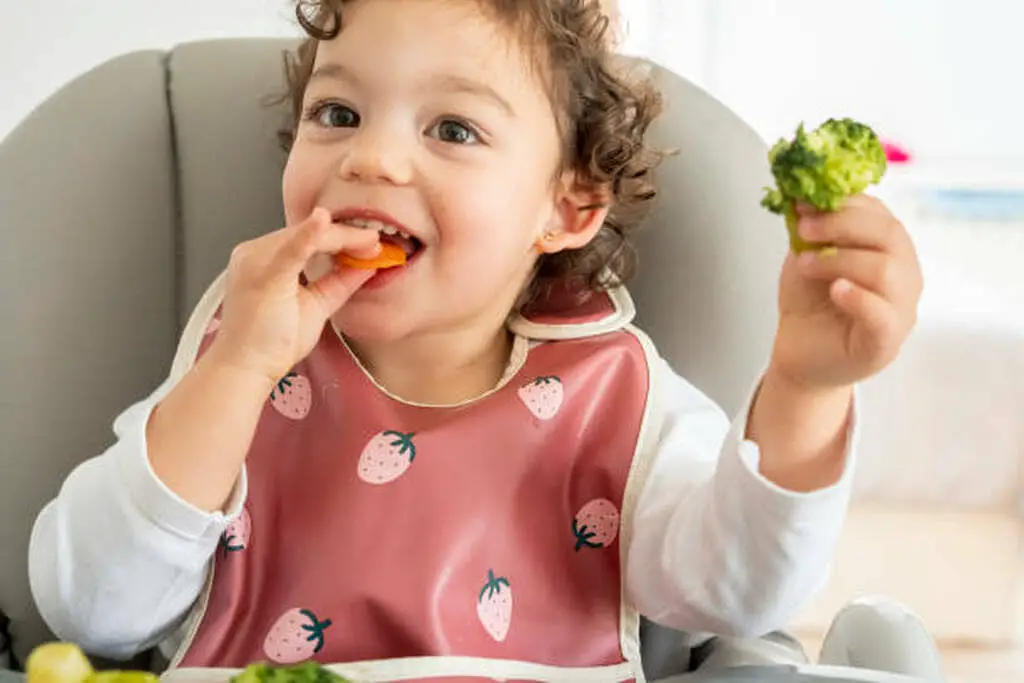
Why Are Toddlers Picky Eaters?
Picky eating is a normal part of development for many toddlers. Between the ages of 1 and 3, children grow more slowly than they did as babies, so their appetite naturally becomes less predictable. At the same time, they begin asserting independence, making food one of the easiest ways to express their preferences and test boundaries.
Another common reason is food neophobia, the natural hesitation to try unfamiliar foods. From an evolutionary perspective, this behavior may have helped protect young children from eating potentially harmful substances once they became mobile. Today, it often appears as refusing foods with new colors, textures, or smells—even if the food is nutritious.
It’s also common for toddlers to reject foods they previously enjoyed. This doesn’t necessarily mean they no longer like those foods. Hunger levels, mood, teething, illness, fatigue, or simply wanting a sense of control can all influence what a toddler is willing to eat on a given day. Rather than judging a single meal, it’s more helpful to look at what your child eats over the course of a week.
Understanding these developmental changes can help parents respond with patience instead of pressure. Most picky eating improves gradually as children gain positive experiences with a wider variety of foods.
How to Help Picky Eaters in Toddler Years
Helping a picky toddler eat a wider variety of foods starts with building positive mealtime habits rather than convincing them to eat one more bite. These strategies encourage healthy eating behaviors while reducing stress for both parents and children.
Offer New Foods Repeatedly Without Pressure
A toddler often needs 10 to 15 exposures—or even more—to a new food before accepting it. Seeing, touching, smelling, licking, or taking a tiny bite all count as successful exposures. Keep offering small portions alongside familiar favorites without expecting your child to eat them immediately.
For example, if your toddler refuses broccoli today, place a small piece on their plate again next week with a meal they already enjoy. Repeated exposure builds familiarity, which gradually reduces resistance.
Follow a Consistent Meal and Snack Schedule
A predictable routine helps toddlers arrive at the table hungry enough to eat. Aim for three meals and two to three scheduled snacks each day, leaving enough time between eating occasions to build an appetite. Constant grazing on crackers, milk, or juice can reduce hunger and make toddlers less interested in meals.
When children know another meal or snack is coming soon, they also feel less pressure to overeat or negotiate at the table.
Serve Familiar Foods Alongside New Foods
Including at least one food your toddler usually enjoys makes meals feel less overwhelming. Instead of preparing a completely different dinner, offer one familiar option together with one or two new foods for everyone at the table.
For instance, if you’re serving baked chicken with roasted vegetables, you might also include rice or fruit that your toddler already likes. This approach encourages exploration while ensuring there’s something comfortable to eat.
Let Your Toddler Decide How Much to Eat
Parents are responsible for deciding what, when, and where food is offered. Toddlers are responsible for deciding whether to eat and how much to eat. Respecting this division helps children recognize their own hunger and fullness cues while reducing power struggles.
If your toddler eats only a few bites at dinner, avoid persuading them to take “just one more bite.” Trust that their appetite will naturally vary from meal to meal.
Eat Together as a Family
Toddlers learn by watching others. When they regularly see parents and siblings enjoying a variety of foods, they’re more likely to become curious and eventually try those foods themselves. Family meals also create a relaxed environment where eating is part of spending time together rather than completing a task.
Model the behavior you want to see. Eat the same vegetables, fruits, and proteins you’re offering your child instead of commenting on what they should eat.
Involve Your Toddler in Food Preparation
Children are often more interested in foods they helped choose or prepare. Even simple tasks—such as washing strawberries, stirring pancake batter, arranging vegetables on a tray, or placing cucumber slices on a plate—can increase curiosity and reduce resistance at mealtime.
The goal isn’t perfect cooking skills. It’s creating positive experiences with food before it reaches the table.
Praise Curiosity Instead of Clean Plates
Instead of saying, “Good job, you finished everything,” praise behaviors that encourage long-term healthy eating habits. For example, you might say, “I like how you smelled the carrots,” or “You were brave enough to taste something new today.”
This shifts the focus from how much your toddler eats to developing confidence around new foods. Over time, small moments of curiosity often lead to greater food acceptance.
What Should You Avoid When Feeding a Picky Toddler?
Some well-intentioned feeding habits can make picky eating worse by increasing stress around food. Avoiding these common mistakes helps create a more positive relationship with eating.
Forcing or Pressuring Your Toddler to Eat
Pressuring a child to take “just one more bite” often has the opposite effect. It can increase anxiety, reduce appetite, and make mealtimes feel like a battle. Instead, place the food on the table, encourage your toddler to explore it if they’re interested, and let them decide whether to eat.
Preparing a Separate Meal Every Time
Making a different meal whenever your toddler refuses dinner may seem like the easiest solution, but it teaches children that rejecting food leads to a preferred alternative. Instead, serve one family meal with at least one familiar food your child usually enjoys. This approach supports food acceptance while reducing the burden of cooking multiple meals.
Using Dessert or Treats as a Reward
Saying, “You can have ice cream if you finish your vegetables,” gives dessert a higher value and makes vegetables feel like a chore. Over time, this can decrease a child’s willingness to eat nutritious foods without a reward. Offer desserts occasionally as part of a balanced diet rather than as a bargaining tool.
Letting Your Toddler Snack All Day
Frequent snacking leaves little room for hunger, making it harder for toddlers to eat balanced meals. Drinks such as juice or excessive milk can have the same effect by filling small stomachs before mealtime. Keeping snacks on a predictable schedule helps children arrive at meals ready to eat.
Giving Up Too Soon
Many parents assume their child dislikes a food after one or two refusals. In reality, accepting a new food often takes repeated exposure over weeks or even months. Continue offering small portions without pressure, even if the food has been rejected several times before.
What Foods Should Picky Toddlers Eat?
A picky toddler doesn’t need a perfect diet at every meal. The goal is to provide a variety of nutrient-dense foods consistently so your child has regular opportunities to meet their nutritional needs.
Protein-Rich Foods
Protein supports growth, muscle development, and immune function. Offer different sources throughout the week, such as eggs, chicken, turkey, fish, lean beef, tofu, beans, lentils, yogurt, and cheese. If one protein is refused, try another with a different flavor or texture instead of insisting on the same food.
Iron-Rich Foods
Iron is especially important during the toddler years because low iron levels can affect growth, energy, and brain development. Good choices include lean red meat, fortified cereals, beans, lentils, spinach, and eggs. Pair plant-based iron sources with foods rich in vitamin C, such as strawberries, oranges, kiwi, or bell peppers, to improve iron absorption.
Fruits and Vegetables
Aim to offer fruits and vegetables in different colors, textures, and preparation methods. A toddler who refuses raw carrots may enjoy roasted carrots, while steamed broccoli may be accepted more readily than raw florets. Variety and repeated exposure are more effective than trying to find a single “magic” vegetable.
Whole Grains
Whole grains provide fiber and steady energy for active toddlers. Brown rice, oatmeal, whole-wheat bread, whole-grain pasta, quinoa, and whole-grain cereals can all be included in family meals. Mixing familiar grains with new ones is an easy way to introduce different flavors.
Healthy Fats
Healthy fats play an important role in brain development during early childhood. Include foods such as avocado, nut butters (spread thinly and served safely), seeds, olive oil, salmon, and full-fat dairy products when appropriate for your child’s age and dietary needs.
Remember that nutrition is measured over time, not by a single meal. A toddler who eats very little at breakfast may have a hearty lunch, while another may eat plenty one day and much less the next. Looking at your child’s overall eating pattern across several days provides a much more accurate picture than focusing on what happened at one meal.
Read more: Toddler Nutrition Guide for Parents: Healthy Eating Tips
When Should You Worry About Picky Eating?
Most picky eating improves with time and doesn’t affect a toddler’s health. However, some situations deserve a conversation with your child’s pediatrician or a registered dietitian. Early evaluation can identify feeding difficulties, nutritional deficiencies, or underlying medical conditions before they become more serious.
One of the biggest warning signs is poor growth or unexpected weight loss. If your toddler isn’t following their usual growth curve, has very low energy, or frequently becomes ill, nutrition may need closer attention. Your pediatrician can review growth measurements, eating patterns, and overall development to determine whether additional support is needed.
Another concern is an extremely limited diet. Many toddlers have favorite foods, but eating fewer than 20 foods for an extended period or refusing entire food groups may increase the risk of nutrient deficiencies. This is especially important if your child consistently avoids protein-rich foods, fruits and vegetables, or iron-rich foods.
Parents should also seek professional advice if eating causes pain or distress. Frequent choking, gagging, difficulty chewing or swallowing, vomiting during meals, or ongoing constipation can point to feeding or medical issues that require assessment. Likewise, strong reactions to food textures or smells that make mealtimes consistently difficult may benefit from evaluation by a feeding specialist.
Trust your instincts as a parent. If mealtimes have become stressful every day, your toddler’s diet continues to shrink instead of gradually expanding, or you’re worried about their growth and nutrition, asking for professional guidance is always appropriate. Getting help early can provide reassurance, practical strategies, and peace of mind.
Frequently Asked Questions About Picky Eaters
Should I let my toddler skip a meal?
Yes. If your toddler chooses not to eat, avoid forcing them to finish their meal. Calmly end the meal and wait until the next planned snack or mealtime. This helps children learn to recognize their natural hunger and fullness cues while maintaining a predictable eating routine.
How many times should I offer a new food?
Many children need 10 to 15 exposures, and sometimes even more, before willingly eating a new food. Continue offering small portions without pressure. Seeing, touching, smelling, or tasting a food are all positive steps toward acceptance.
Should I give my toddler vitamin supplements?
Most toddlers can meet their nutritional needs through a balanced diet. However, some children with highly restricted eating patterns or diagnosed nutrient deficiencies may benefit from supplements recommended by their healthcare provider. Avoid starting supplements without professional advice.
How long does picky eating usually last?
Picky eating commonly begins between 18 months and 2 years of age and gradually improves throughout the preschool years. While every child develops at a different pace, consistent mealtime routines, repeated food exposure, and a positive feeding environment help most children become more adventurous eaters over time.
Helping Your Toddler Build Healthy Eating Habits Takes Time
There isn’t a quick fix for picky eating, and that’s completely normal. Toddlers are learning independence, exploring new experiences, and developing lifelong eating habits all at once. Progress is usually measured in small wins—touching a new food, taking a tiny bite, or sitting happily through family meals—rather than finishing a full plate.
Instead of aiming for perfect meals, focus on creating a positive feeding environment where healthy foods are offered consistently without pressure. Over time, these everyday habits help children feel more comfortable trying new foods and trusting their own appetite.
If you’re ever concerned that picky eating is affecting your toddler’s growth, nutrition, or overall health, don’t hesitate to speak with your pediatrician. Most importantly, remember that you’re not alone. With patience, consistency, and realistic expectations, most picky eaters gradually develop a more varied and balanced diet.