
Healthy toddler development is reflected in steady progress across physical, language, cognitive, social, emotional, and self-help skills rather than achieving every milestone at exactly the same age. Most children develop these abilities in a predictable sequence between 12 and 36 months, although the exact timing varies. Observing progress over time is more meaningful than comparing one toddler with another.
During the toddler years, children rapidly expand their ability to move independently, communicate their needs, solve simple problems, and interact with people around them. A healthy toddler gradually becomes more confident when walking, climbing, exploring new environments, learning new words, following simple instructions, and participating in everyday routines such as eating, dressing, and playing. These milestones reflect the development of the brain, muscles, nervous system, and social-emotional skills working together.
Understanding the signs of healthy toddler development helps parents recognize normal developmental progress while identifying concerns that may require professional evaluation. This guide explains the key developmental signs from ages 1 to 3 across every major developmental domain, how milestones change as toddlers grow, the factors that support healthy development, and the warning signs that should prompt a discussion with a pediatrician. By understanding what is typically expected during toddlerhood, parents can better support their child’s growth and confidently monitor developmental progress over time.
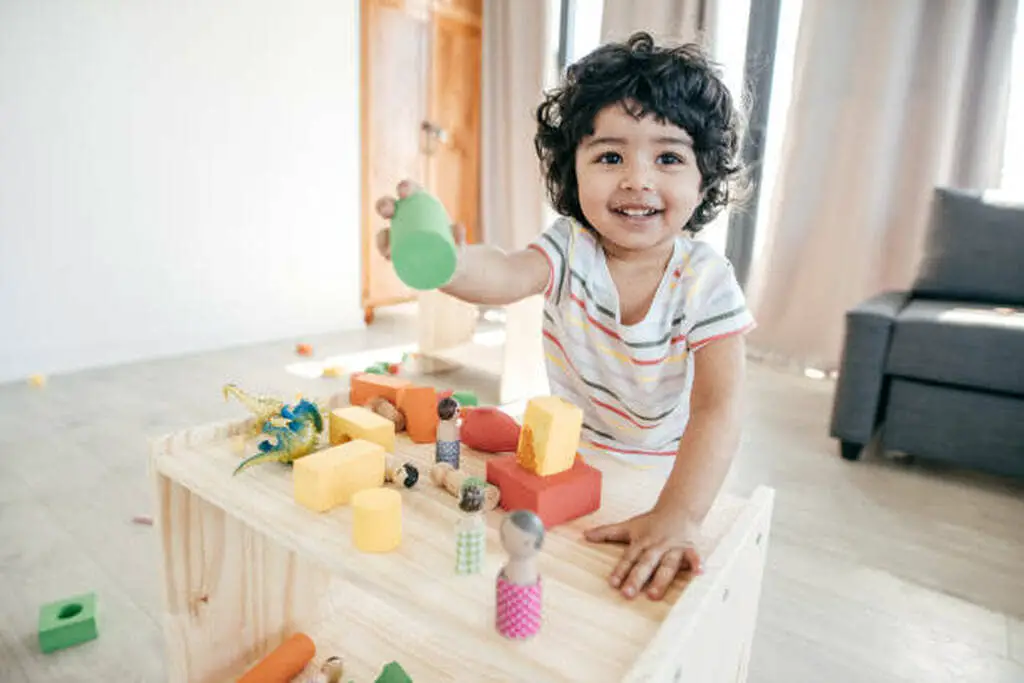
What Are the Signs of Healthy Toddler Development?
Healthy toddler development is demonstrated by consistent progress in physical movement, communication, thinking, social interaction, emotional regulation, and everyday self-care skills. Rather than reaching every milestone on an exact date, healthy toddlers continue to acquire new abilities and build on previously learned skills between 12 and 36 months. Pediatricians evaluate development across multiple domains because each reflects a different aspect of brain and body maturation.
One of the clearest signs of healthy development is continuous skill acquisition. A toddler who recently learned to walk soon begins running, climbing, kicking a ball, and navigating stairs with increasing confidence. Language also develops progressively, from using single words to combining short phrases and following more complex instructions. At the same time, cognitive abilities expand as toddlers solve simple problems, recognize familiar objects, imitate daily activities, and engage in pretend play. This steady progression indicates that development is moving forward rather than remaining stagnant.
Healthy toddlers also become increasingly interested in interacting with the people and environment around them. They respond to their names, make eye contact, express affection toward caregivers, imitate adults, and show curiosity by exploring new objects and asking for help. As they approach age 3, many children begin playing cooperatively with other children, taking turns during simple games, and expressing a wider range of emotions while gradually learning to manage frustration with adult support.
Another important indicator is the development of independence in everyday routines. Most toddlers gradually learn to feed themselves with utensils, drink from an open cup, help with dressing, wash their hands with assistance, and participate in simple household routines. These adaptive skills demonstrate growing coordination, problem-solving ability, and confidence in performing age-appropriate tasks independently.
Because every developmental domain is interconnected, healthcare professionals assess the overall pattern of progress instead of focusing on a single milestone. For example, a toddler who begins talking slightly later than peers may still demonstrate healthy development if physical, cognitive, social, and adaptive skills continue to progress appropriately. In contrast, delays across multiple developmental domains or the loss of previously acquired skills warrant further evaluation by a pediatrician or developmental specialist.
What Physical Milestones Show Healthy Toddler Development?
Healthy physical development allows toddlers to move with greater strength, coordination, balance, and independence as they grow from 12 to 36 months. During this stage, children make rapid progress in both gross motor skills, which involve large muscle groups, and fine motor skills, which require precise hand and finger movements. Together, these abilities enable toddlers to explore their environment, participate in play, and perform everyday activities with increasing confidence.
Gross motor development typically progresses from walking independently to running, climbing, jumping, and navigating different surfaces. Between 12 and 18 months, many toddlers walk without support, squat to pick up toys, and climb onto low furniture. By age 2, they often run more smoothly, kick a ball forward, walk up and down stairs with assistance, and begin jumping with both feet. Around age 3, most children can balance briefly on one foot, pedal a tricycle, climb playground equipment, and change direction while running without losing balance. These milestones demonstrate improving muscle strength, coordination, and postural control.
Fine motor skills also develop rapidly during the toddler years. A healthy toddler gradually learns to stack blocks, turn the pages of a book one at a time, scribble with crayons, place simple puzzle pieces correctly, and use eating utensils with greater accuracy. As hand control improves, children begin drawing basic lines and circles, building taller block towers, opening containers, and manipulating small objects using a pincer grasp. These activities strengthen hand-eye coordination while preparing children for future skills such as writing and self-care.
Physical development is also reflected in everyday movement and play. Healthy toddlers enjoy exploring new environments, climbing, pushing and pulling toys, throwing and catching large balls, dancing to music, and participating in active outdoor play. Frequent movement helps improve balance, coordination, spatial awareness, and overall physical fitness while supporting healthy bone and muscle development.
Parents should focus on steady improvement rather than perfect performance. Children develop motor skills at slightly different rates, and temporary differences are common. However, consistent progress over time is an important sign of healthy development. If a toddler has significant difficulty walking after 18 months, frequently loses previously acquired motor skills, shows persistent weakness on one side of the body, or struggles with everyday movements that most children of the same age can perform, a developmental evaluation by a pediatrician is recommended.
What Language Milestones Should a Healthy Toddler Reach?
Healthy language development is characterized by a toddler’s increasing ability to understand words, communicate needs, and participate in conversations. Between 12 and 36 months, children progress from saying a few meaningful words to speaking short sentences, following multi-step directions, and expressing ideas with growing confidence. Language development includes both receptive language (understanding) and expressive language (speaking), and healthy progress is expected in both areas.
Receptive language usually develops before expressive language. Around 12 months, most toddlers recognize familiar names, understand simple commands such as “Come here” or “Give me the ball,” and respond appropriately to everyday routines. As they approach age 2, they can identify common objects, body parts, animals, and familiar people when asked. By age 3, many toddlers understand simple questions, follow two- or three-step instructions, and comprehend basic concepts such as size, location, and quantity. Strong receptive language provides the foundation for later communication, learning, and social interaction.
Expressive language expands rapidly during the toddler years. Many children say their first meaningful words around their first birthday and steadily add new vocabulary over the following months. By approximately 18 months, toddlers often use at least 20 to 50 words and begin naming familiar people, foods, toys, and everyday objects. Around age 2, they typically combine two or more words into simple phrases such as “more milk” or “Daddy go.” By age 3, many children speak in short sentences, ask simple questions, describe familiar experiences, and can be understood by unfamiliar adults much of the time. This rapid vocabulary growth reflects ongoing brain development and increasing exposure to spoken language.
Healthy communication involves more than spoken words. Toddlers use gestures, facial expressions, eye contact, and body language to reinforce their messages. They point to objects they want, wave goodbye, shake their heads to indicate “no,” imitate sounds and words, and engage in simple back-and-forth conversations with caregivers. As communication skills mature, toddlers become better at expressing emotions, asking for help, making choices, and participating in daily routines with less frustration.
Parents can support language development by talking frequently with their child, reading books every day, singing songs, naming objects during play, and responding to attempts at communication. Regular conversations during meals, bath time, shopping trips, and outdoor activities expose toddlers to new vocabulary in meaningful contexts. This consistent language-rich environment strengthens vocabulary, comprehension, and communication skills throughout early childhood.
Although children develop language at different rates, steady progress is more important than reaching an exact word count. Parents should discuss developmental concerns with a pediatrician if a toddler rarely responds to their name, has very limited understanding of simple instructions, says few or no meaningful words by 18 months, is not combining words by around age 2, or loses previously acquired language skills. Early evaluation can identify hearing problems, developmental disorders, or other conditions that may benefit from timely intervention.
What Cognitive Skills Indicate Healthy Brain Development?
Healthy cognitive development enables toddlers to learn, remember, solve problems, and understand the world around them through everyday experiences. Between 12 and 36 months, the brain develops rapidly as children explore their environment, imitate others, and make connections between actions and outcomes. These early thinking skills form the foundation for future learning, language, attention, and academic success.
One of the strongest signs of healthy brain development is curiosity. Healthy toddlers actively explore their surroundings by touching objects, opening drawers, stacking blocks, and experimenting with different ways to use toys. Rather than repeating the same action without purpose, they begin testing ideas and observing results. For example, a toddler may discover that pressing a button produces music, placing one block on another creates a tower, or pushing a toy causes it to roll across the floor. This trial-and-error learning strengthens reasoning and supports cognitive growth.
Problem-solving skills also improve significantly throughout toddlerhood. Around 12 to 18 months, many children can find a hidden toy, place large shapes into matching openings, or retrieve an object using a simple strategy. By age 2, they often complete basic puzzles, sort objects by color or shape, and understand how familiar items work. As they approach age 3, toddlers become more capable of planning simple actions, recognizing patterns, and choosing different strategies when their first attempt does not succeed. These abilities demonstrate growing memory, attention, and flexible thinking.
Pretend play is another important indicator of healthy cognitive development because it shows that a toddler can use symbols and imagination. Early pretend play may involve feeding a doll, talking on a toy phone, or pretending to drink from an empty cup. By age 3, many children create short imaginary stories, assign roles to toys, and imitate everyday activities such as cooking, shopping, or caring for a stuffed animal. This type of play reflects the development of abstract thinking, language, memory, and social understanding while encouraging creativity and emotional expression.
Healthy toddlers also demonstrate increasing attention and memory during everyday activities. They recognize familiar people, remember where favorite toys are kept, follow routines such as bedtime or mealtime, and anticipate what happens next during familiar stories or songs. As attention span gradually increases, children spend longer periods completing puzzles, building with blocks, drawing, or listening to books without becoming distracted. These behaviors indicate that the brain is becoming more efficient at processing, storing, and retrieving information.
Parents can encourage cognitive development by providing opportunities for exploration instead of focusing on formal instruction. Reading together, building with blocks, completing simple puzzles, sorting household objects, singing action songs, and allowing plenty of unstructured play all strengthen thinking skills. Asking simple questions such as “Where did the ball go?” or “Which block is bigger?” also encourages toddlers to observe, compare, remember, and solve problems independently.
While every child develops at an individual pace, consistent progress in learning, curiosity, and problem-solving is a key sign of healthy brain development. Parents should seek professional advice if a toddler rarely explores their environment, shows little interest in interactive play, has persistent difficulty following simple routines, or loses previously acquired cognitive or play skills. Early assessment can help identify developmental concerns and ensure children receive appropriate support as early as possible.
What Social and Emotional Behaviors Are Normal in Toddlers?
Healthy social and emotional development is reflected in a toddler’s ability to build relationships, express emotions, develop independence, and respond appropriately to people and situations. Between 12 and 36 months, children become increasingly aware of themselves and others. They learn how to communicate emotions, cooperate during simple activities, and seek comfort or reassurance from trusted caregivers while gradually becoming more independent.
One of the earliest signs of healthy social development is strong engagement with caregivers and familiar people. Healthy toddlers make eye contact, smile during interactions, respond when their names are called, and enjoy sharing experiences with parents or caregivers. They often point to interesting objects, bring toys to show others, and look to adults for reassurance when exploring unfamiliar environments. These behaviors demonstrate secure attachment and support the development of communication, learning, and emotional regulation.
As toddlers grow, they begin interacting more with other children. Around the second year of life, many children participate in parallel play, where they play beside other toddlers while using similar toys without directly interacting. By approximately age 3, cooperative play starts to emerge. Toddlers begin taking turns, sharing simple materials with encouragement, imitating each other’s actions, and participating in short group activities. Although conflicts over toys are common, healthy toddlers gradually learn basic social rules through repeated practice and adult guidance.
Emotional development also progresses rapidly during toddlerhood. Healthy toddlers express a wide range of emotions, including happiness, excitement, frustration, fear, and disappointment. Tantrums may occur because language and self-control are still developing, but children gradually become more capable of calming down with support from a caregiver. Over time, they begin using words, gestures, or simple problem-solving strategies instead of relying solely on crying or physical reactions to communicate their feelings.
Another important milestone is the development of empathy and emotional awareness. By the end of the toddler years, many children recognize emotions in other people through facial expressions, tone of voice, and body language. They may comfort a crying sibling, offer a favorite toy to someone who appears upset, or imitate caring behaviors they observe at home, such as hugging a family member or covering a doll with a blanket. These early acts of empathy demonstrate growing social understanding and emotional maturity.
Healthy toddlers also show increasing independence while continuing to seek support when needed. They enjoy making simple choices, such as selecting a book to read or choosing between two snacks, and often insist on completing everyday tasks independently. Although this growing independence can sometimes lead to frustration, it reflects normal emotional development and the desire to gain confidence through experience. Encouraging safe opportunities for independent decision-making helps strengthen resilience, self-esteem, and problem-solving skills.
Because social and emotional development is closely connected to language, cognition, and family relationships, healthcare professionals evaluate the overall pattern of behavior rather than isolated actions. A toddler who occasionally has tantrums or prefers solitary play may still be developing typically. However, parents should consult a pediatrician if a child consistently avoids eye contact, shows little interest in interacting with caregivers or peers, rarely expresses emotions, does not engage in pretend play, or loses previously acquired social skills. Early evaluation can determine whether additional developmental support is needed.
Read more: How to Teach Sharing to Toddlers Without Forcing Them
What Self-Help Skills Should Toddlers Develop Between 1 and 3 Years?
Healthy self-help development is demonstrated by a toddler’s growing ability to complete everyday tasks with decreasing assistance from caregivers. Between 12 and 36 months, children gradually develop the coordination, cognitive skills, and confidence needed to feed themselves, dress with assistance, practice personal hygiene, and participate in daily routines. These adaptive skills foster independence while strengthening fine motor control, problem-solving, and decision-making.
Eating independently is one of the earliest self-help milestones. Around 12 months, many toddlers can drink from an open cup with some spilling, use their fingers to pick up small pieces of food, and begin using a spoon with assistance. By age 2, most children eat a wider variety of foods, hold a spoon and fork with greater control, and drink from a cup with minimal spilling. As they approach age 3, many toddlers can complete most of a meal independently, although occasional assistance is still normal. These milestones reflect improving hand-eye coordination, oral motor control, and confidence during mealtimes.
Dressing skills also improve steadily throughout the toddler years. Young toddlers often cooperate by extending their arms or legs while being dressed. As coordination develops, they begin removing simple clothing such as socks, hats, or loose-fitting pants before learning to pull on shirts, zip large zippers with help, and put on shoes with assistance. By age 3, many children can dress or undress with only minimal support for fasteners such as buttons or zippers. Developing these skills requires planning, bilateral coordination, and an understanding of body position.
Personal hygiene becomes an important part of everyday routines during toddlerhood. Healthy toddlers gradually learn to wash and dry their hands with supervision, wipe their face after eating, brush their teeth with adult assistance, and participate in simple grooming activities such as combing their hair. Repeating these routines every day helps children understand sequencing, responsibility, and healthy habits while improving fine motor skills.
Toddlers also become more involved in household routines and simple responsibilities. They may help put toys away, place books back on a shelf, throw trash into a bin, carry lightweight items, or assist with setting the table. Although these tasks appear simple, they strengthen memory, attention, organization, and the ability to follow instructions. Participating in family routines also promotes independence and helps toddlers develop a sense of responsibility.
Toilet readiness is another important aspect of self-help development, but it follows developmental readiness rather than a fixed age. Most children begin showing signs of readiness between 18 and 36 months. Common indicators include staying dry for longer periods, recognizing the urge to urinate or have a bowel movement, communicating that a diaper is wet or soiled, following simple directions, and showing interest in using the toilet or copying older siblings. Introducing toilet training before these signs appear often leads to frustration for both the child and caregivers.
Parents can encourage self-help skills by allowing toddlers enough time to practice everyday tasks instead of completing them immediately. Offering simple choices, using consistent routines, breaking activities into manageable steps, and praising effort rather than perfection help children develop confidence and persistence. While minor spills, mistakes, and slower performance are expected, regular opportunities to practice are essential for building independence throughout the toddler years.
How Do Healthy Development Signs Change From 12 to 36 Months?
Healthy toddler development follows a predictable sequence, with new skills building on abilities learned during earlier stages. While every child develops at an individual pace, most toddlers achieve similar milestones between 12 and 36 months. Monitoring progress across age ranges helps parents understand what skills typically emerge next and identify whether development continues steadily over time.
12–18 Months
Between 12 and 18 months, toddlers become more mobile, communicative, and curious about their surroundings. Most children begin walking independently, squat to pick up toys without falling, and climb onto low furniture with supervision. Fine motor skills improve as they stack two to four blocks, turn several book pages at once, scribble with crayons, and use a spoon with increasing control.
Language development also accelerates during this stage. Many toddlers understand familiar words and simple instructions, respond consistently to their names, and say several meaningful words such as “mama,” “dada,” or the names of favorite objects. Socially, they enjoy interactive games like peekaboo, wave goodbye, point to interesting objects, and seek reassurance from familiar caregivers while exploring new environments.
18–24 Months
From 18 to 24 months, toddlers become noticeably more independent and begin combining multiple developmental skills during everyday activities. Gross motor abilities expand to include running, climbing stairs with support, kicking a ball, pulling toys while walking, and beginning to jump with both feet. Fine motor control allows them to build taller block towers, complete simple shape sorters, and turn book pages one at a time.
Language growth is especially rapid during this period. Vocabulary increases significantly, and many toddlers begin combining two-word phrases such as “want juice” or “Daddy home.” They can identify familiar objects, follow two-step directions, and communicate basic needs using both words and gestures. Pretend play becomes more elaborate as children feed dolls, imitate household activities, and copy the actions of adults during play.
24–30 Months
Between 24 and 30 months, toddlers demonstrate stronger coordination, improved communication, and more advanced thinking skills. Many children run with confidence, jump forward, stand briefly on one foot with support, throw a ball overhand, and climb playground equipment more safely. Fine motor skills continue developing as they draw simple lines and circles, string large beads, and manipulate smaller objects with greater precision.
Communication becomes more conversational during this stage. Toddlers ask simple questions, use short sentences, name familiar colors or body parts, and understand more complex instructions. They also begin solving everyday problems independently, remember familiar routines, and engage in imaginative play involving multiple toys or characters. Socially, they show greater interest in playing near or with other children and begin learning simple turn-taking skills.
30–36 Months
By 30 to 36 months, many toddlers display greater independence across nearly every area of development. Most can run smoothly, jump with both feet, pedal a tricycle, climb stairs using alternating feet, and balance briefly on one foot. Hand coordination allows them to draw circles, build block towers with multiple pieces, use child-safe scissors with supervision, and complete simple puzzles with little assistance.
Language becomes increasingly sophisticated. Many children speak in short conversations, ask and answer questions, describe recent experiences, and follow instructions involving two or three steps. Cognitive development is reflected in longer attention spans, improved memory, more complex pretend play, and the ability to sort objects by different characteristics such as color, size, or shape. Emotionally, toddlers begin expressing empathy, cooperating during simple group activities, and managing frustration more effectively with adult guidance.
Why Age Ranges Matter More Than Exact Milestone Dates
Developmental milestones should be viewed as age ranges rather than fixed deadlines. A toddler who begins walking at 13 months and another who walks at 16 months may both be developing normally if they continue acquiring new skills across all developmental domains. Pediatricians evaluate the overall pattern of development instead of isolated milestones because physical, language, cognitive, social, and adaptive skills often progress at different rates.
Parents should focus on continuous improvement rather than comparing their child with siblings or peers. Consistent progress across multiple developmental areas is one of the most reliable indicators of healthy toddler development, while prolonged delays across several domains or the loss of previously acquired skills should prompt a discussion with a pediatrician.
What Factors Support Healthy Toddler Development?
Healthy toddler development depends on a combination of proper nutrition, adequate sleep, active play, responsive caregiving, and regular healthcare. While genetics influence how children grow, everyday experiences have a significant impact on how they develop physical, cognitive, language, and social-emotional skills during the first three years of life.
A balanced diet provides the nutrients needed for brain development, muscle growth, and immune function. Toddlers benefit from meals that include fruits, vegetables, whole grains, lean proteins, dairy or fortified alternatives, and healthy fats. Nutrients such as iron, calcium, vitamin D, iodine, and omega-3 fatty acids support normal brain function, bone development, and overall growth. Offering a variety of foods also encourages healthy eating habits and exposes children to different tastes and textures.
Sleep is equally important because much of the brain’s growth and memory consolidation occurs during rest. Most toddlers require 11 to 14 hours of sleep within a 24-hour period, including naps. Consistent bedtime routines, a comfortable sleep environment, and regular sleep schedules help improve sleep quality and support emotional regulation, learning, and physical recovery.
Daily active play strengthens both the body and the brain. Running, climbing, dancing, throwing balls, building with blocks, drawing, and outdoor exploration improve motor coordination, balance, creativity, and problem-solving skills. Unstructured play also allows toddlers to experiment, make decisions, and develop independence through hands-on learning.
Responsive parenting plays a central role in healthy development. Talking with children throughout the day, reading together, answering questions, and responding warmly to their attempts to communicate strengthen language, emotional security, and cognitive development. Simple interactions such as singing songs, playing pretend games, and encouraging curiosity provide valuable learning opportunities that cannot be replaced by passive screen time.
Routine healthcare supports healthy development by monitoring growth and identifying concerns early. Well-child visits allow pediatricians to assess developmental milestones, review nutrition and sleep habits, perform hearing and vision screenings, and recommend age-appropriate vaccinations. Early identification of developmental concerns increases the effectiveness of intervention and improves long-term outcomes.
What Signs May Indicate Developmental Delays?
Developmental delays occur when a toddler does not achieve expected milestones within the typical age range or loses skills that were previously acquired. Missing a single milestone does not always indicate a developmental disorder, but persistent delays across one or more developmental domains should be evaluated by a healthcare professional.
Physical delays may become apparent when a toddler has difficulty sitting, walking, running, climbing stairs, or using both hands effectively compared with expected developmental ranges. Persistent muscle stiffness, poor balance, frequent falls that do not improve over time, or weakness affecting one side of the body also require medical assessment.
Language delays may include saying very few meaningful words, struggling to understand simple instructions, rarely using gestures such as pointing or waving, or failing to combine words by around age 2. A child who stops using words they previously knew or suddenly loses communication skills should be evaluated promptly because regression is considered a significant developmental concern.
Cognitive and play-related delays may appear as limited curiosity, difficulty solving simple problems, lack of pretend play, inability to follow familiar routines, or little interest in exploring the environment. Children who repeatedly perform the same actions without purposeful exploration or show minimal engagement with toys may benefit from further developmental assessment.
Social and emotional concerns include limited eye contact, little interest in interacting with caregivers or peers, reduced response to their name, difficulty sharing attention with others, or a lack of emotional expression. Although shyness and individual temperament vary, persistent social communication difficulties should not be ignored, particularly if they occur alongside language or behavioral concerns.
Loss of previously acquired skills is one of the most important warning signs at any age. A toddler who stops talking, loses motor abilities, withdraws socially, or no longer performs skills they had already mastered should receive medical evaluation as soon as possible.
When Should Parents Talk to a Pediatrician About Toddler Development?
Parents should discuss developmental concerns whenever they notice delayed progress, regression, or behaviors that differ substantially from typical developmental patterns. It is not necessary to wait until multiple milestones are missed. Early conversations with a pediatrician help determine whether development falls within the normal range or whether additional assessment is appropriate.
Parents should seek professional advice if a toddler is not meeting major developmental milestones within expected age ranges, has difficulty hearing or responding to sounds, rarely makes eye contact, does not communicate through gestures or words, or struggles to participate in everyday activities that require movement, play, or interaction. Concerns raised by childcare providers, preschool teachers, or family members should also be discussed because children may behave differently across settings.
During a developmental evaluation, the pediatrician reviews the child’s medical history, growth pattern, developmental milestones, and daily functioning. Depending on the findings, additional hearing or vision tests, standardized developmental screening tools, autism-specific screening, or referrals to specialists such as speech-language pathologists, occupational therapists, physical therapists, or developmental pediatricians may be recommended.
Parents do not need to identify the cause of a developmental concern before seeking help. Recording observations, noting when new skills appear, and bringing questions to routine well-child visits provide valuable information for healthcare providers. Early identification allows children who need support to begin intervention during a period of rapid brain development, when therapies are often most effective. Even when no delay is identified, professional reassurance helps parents better understand their child’s unique developmental pattern and monitor future progress with confidence.