
Toddlers begin developing social skills long before they enter preschool. Everyday interactions such as sharing a toy, waiting for a turn, expressing feelings, or responding to another person’s emotions lay the foundation for communication, cooperation, and healthy relationships throughout childhood. These abilities are not learned through formal lessons alone. Instead, they develop through repeated, meaningful experiences during play and daily family routines.
The good news is that parents do not need expensive educational toys or structured classes to support social development. Simple activities at home can help toddlers practice essential skills such as sharing, taking turns, listening, solving simple problems, and showing empathy. When adults actively participate, model positive behavior, and provide gentle guidance, ordinary moments become valuable learning opportunities that strengthen both social competence and parent-child relationships.
This guide features 25 toddler social skills activities at home that are easy to set up with common household items. Each activity explains which social skill it develops, why it works, and how parents can encourage meaningful interaction. Whether your child is naturally outgoing or prefers independent play, these ideas can help build confidence, cooperation, and emotional awareness while preparing them for successful interactions at preschool and beyond.
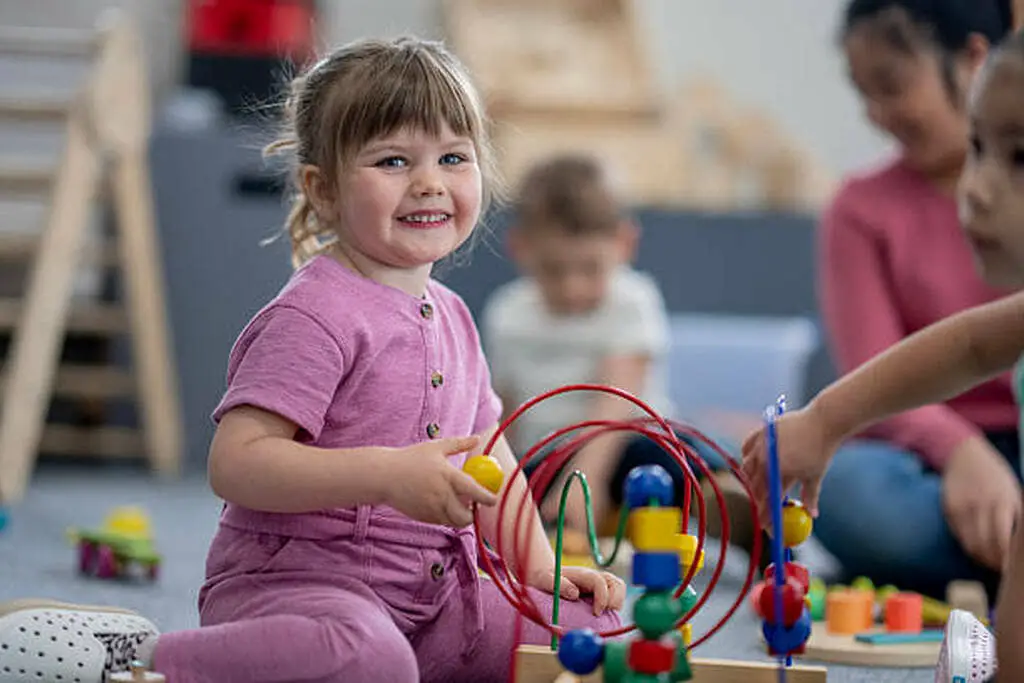
What social skills should toddlers develop at home?
Toddlers develop social skills gradually through everyday interactions rather than formal instruction. Between the ages of one and three, children begin learning how to communicate with others, understand emotions, and participate in simple cooperative activities. Building these foundational skills at home makes it easier for toddlers to form friendships, adapt to preschool routines, and handle social situations with confidence.
Sharing
Sharing teaches toddlers that other people have needs and feelings too. Although most toddlers are naturally focused on their own wants, repeated opportunities to share toys, snacks, or art supplies help them understand fairness and cooperation over time.
Parents should avoid expecting perfect sharing from the beginning. Instead, encourage short, positive sharing experiences during play. For example, invite your toddler to offer one building block to a parent or sibling before continuing the activity. Celebrating even small successes helps reinforce the behavior without creating pressure.
Turn-taking
Turn-taking helps toddlers develop patience, self-control, and cooperation. Waiting for another person’s turn is challenging because toddlers are still developing impulse control. Simple games that require alternating turns provide frequent opportunities to practice this important skill.
Rolling a ball back and forth, stacking blocks one at a time, or taking turns placing puzzle pieces teaches children that enjoyable activities continue even when they are not always first. Consistent practice also reduces frustration during group play as children grow older.
Communication
Communication skills allow toddlers to express needs, understand others, and participate in conversations. Social development depends on more than vocabulary. Children also learn how to listen, make eye contact, respond to questions, and use gestures appropriately during interactions.
Parents can strengthen communication by talking throughout daily routines, asking simple open-ended questions, reading picture books together, and encouraging toddlers to describe objects or actions instead of answering with only “yes” or “no.” These conversations build confidence while expanding language and social understanding.
Empathy
Empathy helps toddlers recognize and respond to other people’s emotions. Although empathy develops gradually, children begin noticing facial expressions, tone of voice, and emotional reactions during the toddler years.
Parents can encourage empathy by naming emotions as they occur. For example, saying, “Your sister is sad because her tower fell,” helps toddlers connect events with feelings. Pretend play with dolls or stuffed animals also creates safe opportunities to practice comforting, helping, and caring for others.
Cooperation
Cooperation teaches toddlers how to work toward a shared goal. Instead of focusing only on individual achievement, cooperative experiences help children understand teamwork and shared responsibility.
Simple household tasks such as putting toys away together, watering plants, setting the table, or building a large block tower encourage collaboration. These activities naturally introduce communication, problem-solving, and turn-taking while strengthening family relationships.
Emotional regulation
Emotional regulation enables toddlers to manage frustration, disappointment, and excitement in socially appropriate ways. This ability develops over several years, but everyday experiences provide valuable opportunities to practice.
Parents can support emotional regulation by acknowledging feelings, modeling calm behavior, and teaching simple coping strategies such as taking deep breaths or counting slowly. As toddlers become better at recognizing and managing their emotions, they also interact more positively with siblings, parents, and other children.
What are the best toddler social skills activities at home?
The most effective toddler social skills activities combine play, conversation, and everyday routines. Rather than teaching social behaviors through direct instruction, these activities allow toddlers to experience sharing, cooperation, communication, and empathy naturally. Most require only common household items and can be completed in 10–20 minutes.
Sharing activities
1. Pass the Toy
Sit on the floor with one or two toys and take turns passing them to each other. The activity teaches toddlers that sharing does not mean losing a toy permanently. Instead, they learn that objects move between people and everyone gets another turn.
2. Snack Sharing
Offer small snacks such as crackers, fruit slices, or cereal pieces, then encourage your toddler to hand one piece to each family member before eating. This simple routine connects sharing with kindness and helps children recognize other people’s needs during everyday situations.
3. Build One Tower Together
Use blocks to create a tower, but allow each person to place only one block before passing the turn. Besides encouraging sharing, this activity introduces patience and cooperative problem-solving because everyone contributes to the same goal.
4. Family Art Supplies
Place one box of crayons, stickers, or colored paper in the center of the table instead of giving each child separate materials. Children naturally practice requesting, waiting, and sharing supplies while completing their artwork.
Turn-taking activities
5. Roll the Ball
Roll a soft ball back and forth across the floor. Because the game has only one clear action, toddlers quickly understand whose turn it is. Parents can reinforce language by saying, “My turn,” and “Your turn” throughout the game.
6. Simple Board Games
Choose toddler-friendly games with straightforward rules, such as matching or color games. Following turns helps children practice self-control while learning that games remain enjoyable even when they are waiting.
7. Puzzle Challenge
Complete a puzzle together by taking turns placing one piece at a time. This encourages patience and keeps children engaged in a shared objective instead of competing with one another.
Communication activities
8. Picture Talk
Show your toddler a picture book and ask simple questions such as, “What is the dog doing?” or “Who is eating?” Open-ended conversations encourage children to describe actions, identify emotions, and build confidence during discussions.
9. Puppet Conversations
Use socks, stuffed animals, or hand puppets to create short conversations. Puppets often make shy toddlers more willing to answer questions, greet others, or practice polite expressions like “please” and “thank you.”
10. Finish My Sentence
Begin a familiar phrase such as “The cow says…” and let your toddler complete it. Gradually increase the difficulty by asking questions that require longer responses instead of single words.
11. Sing and Respond
Songs with actions and repeated phrases encourage toddlers to listen carefully, imitate movements, and respond at the right moment. These activities strengthen both communication and active listening.
Pretend play activities
12. Grocery Store
Transform a few household items into a pretend grocery store. One person becomes the customer while the other becomes the cashier. Toddlers practice greeting people, asking for items, taking turns, and using polite language during realistic social interactions.
13. Doctor’s Office
Use a toy medical kit or simple household objects to examine dolls or family members. Children learn how to ask questions, comfort others, and respond to another person’s feelings through imaginative role play.
14. Restaurant Game
Take turns being the customer, server, and cook. Encourage your toddler to take orders, say “thank you,” and serve pretend meals. The activity develops conversation skills while introducing common social routines.
15. Family Role Play
Invite your toddler to pretend to be a parent, sibling, teacher, or grandparent. Acting out familiar situations helps children understand different perspectives and strengthens empathy through observation and imitation.
Cooperative activities
Cooperative activities encourage toddlers to work toward a shared goal instead of focusing only on individual success. These experiences strengthen communication, teamwork, and problem-solving while teaching children that working together can be both productive and enjoyable.
16. Build a Giant Block Tower
Challenge your toddler to build the tallest tower together using blocks or stacking cups. Instead of competing, decide where each block should go as a team. If the tower falls, encourage your child to rebuild together rather than assigning blame. This activity develops cooperation, communication, and resilience.
17. Clean Up Together
Turn cleanup into a game by assigning simple roles such as collecting blocks, putting books on shelves, or placing stuffed animals in a basket. Working toward a common goal teaches responsibility while showing toddlers how teamwork makes everyday tasks easier.
18. Cook Simple Recipes Together
Invite your toddler to wash vegetables, stir ingredients, or place toppings on a homemade pizza. Cooking naturally encourages children to listen, follow instructions, wait for assistance, and communicate throughout each step. It also creates opportunities to practice asking for help and offering help.
19. Create One Large Art Project
Use a large sheet of paper to draw, paint, or decorate together. Encourage your toddler to add ideas while respecting the space and contributions of others. Collaborative artwork teaches flexibility because children learn that different ideas can exist within the same project.
Emotion and empathy activities
Helping toddlers recognize emotions is an essential step toward developing empathy. Children first learn to understand their own feelings before they can respond appropriately to someone else’s emotions.
20. Emotion Card Matching
Show picture cards displaying emotions such as happy, sad, angry, surprised, and scared. Ask your toddler to name each emotion and describe a time they felt the same way. Connecting facial expressions with personal experiences improves emotional awareness and emotional vocabulary.
21. Care for a Doll or Stuffed Animal
Pretend a doll is tired, hungry, sick, or upset. Encourage your toddler to comfort the doll with a blanket, gentle words, or pretend food. Caring for toys allows children to practice empathy in a safe and familiar environment before applying those behaviors in real-life situations.
22. Read Stories About Feelings
Choose picture books that focus on friendship, kindness, or emotions. Pause during the story to ask questions such as, “How do you think the bear feels?” or “What could the rabbit do to help?” These discussions strengthen perspective-taking and encourage thoughtful conversations.
Movement and music games
Active games combine physical movement with social interaction, making them especially engaging for toddlers with short attention spans. They also reinforce listening skills, self-control, and cooperation.
23. Simon Says
Give simple instructions beginning with “Simon says,” such as clapping hands, touching toes, or jumping. Toddlers practice listening carefully, following directions, and waiting before reacting. These skills support both classroom readiness and everyday communication.
24. Follow the Leader
Take turns leading simple movements around the room, such as walking slowly, hopping, stretching, or dancing. Allowing toddlers to become the leader builds confidence while teaching them to observe and imitate others respectfully.
25. Freeze Dance
Play music and dance together until the music stops. Everyone freezes in place before dancing again. This game strengthens self-control, attention, and the ability to respond appropriately to changing situations while keeping social learning fun.
Read more: How to Handle Toddler Separation Anxiety: 12 Proven Strategies
How can parents help toddlers learn social skills during play?
Parents play a larger role in social development than the activity itself. A simple game becomes a valuable learning experience when adults actively model positive behavior, encourage communication, and respond consistently to social interactions.
Model the behavior you want to see. Toddlers learn primarily through observation. Saying “please,” “thank you,” apologizing after mistakes, and speaking respectfully provide daily examples that children naturally imitate.
Describe positive social behaviors immediately. Instead of saying “Good job,” give specific feedback such as, “You waited patiently for your turn,” or “You shared your blocks with your brother.” Specific praise helps toddlers understand exactly which behavior should be repeated.
Guide instead of solving every problem. Small disagreements during play provide opportunities to practice negotiation and problem-solving. Rather than stepping in immediately, encourage toddlers to use simple phrases such as “My turn next,” or “Can we play together?” before offering assistance.
Keep activities short and enjoyable. Most toddlers remain engaged for about 10 to 20 minutes. Ending an activity while your child is still interested creates positive experiences and increases the likelihood that they will participate willingly the next time.
Practice consistently through daily routines. Social skills improve through repetition rather than occasional lessons. Mealtime conversations, bedtime stories, grocery shopping, and family chores all provide natural opportunities to reinforce communication, cooperation, empathy, and turn-taking throughout the day.
What daily routines help toddlers practice social skills?
Parents do not need to schedule extra lessons every day to improve a toddler’s social skills. Many of the best learning opportunities already exist within everyday family routines. Repeating these interactions consistently helps children practice positive behaviors until they become natural habits.
Mealtime
Family meals encourage toddlers to practice conversation, listening, and turn-taking. Parents can ask simple questions, encourage children to wait until someone finishes speaking, and model polite expressions such as “please,” “thank you,” and “excuse me.” Even short conversations during breakfast or dinner help build confidence in social communication.
Cleaning up together
Putting toys away is more than a household chore. Working together teaches toddlers how to cooperate, follow simple instructions, and contribute to a shared responsibility. Parents can divide tasks into small steps and celebrate completing the job as a team.
Cooking together
Preparing simple meals gives toddlers opportunities to communicate, follow directions, and solve small problems. Asking questions such as “Can you hand me the spoon?” or “Which fruit should we add next?” encourages participation while reinforcing listening and cooperation.
Bedtime routines
Reading stories before bed creates a calm environment for discussing emotions and relationships. Parents can ask how different characters feel, why they behave in certain ways, and what they could have done differently. These conversations strengthen empathy and emotional understanding.
Everyday errands
Trips to the grocery store, library, or neighborhood park introduce toddlers to real-life social situations. Greeting neighbors, thanking cashiers, waiting in line, and following simple public rules help children practice appropriate social behavior outside the home.
What signs show a toddler’s social skills are improving?
Social development happens gradually, so progress often appears through small everyday changes rather than dramatic milestones.
Common signs include:
- Sharing toys or snacks with fewer reminders.
- Waiting for a turn without becoming frustrated immediately.
- Using more words instead of crying or pointing to communicate needs.
- Making better eye contact during conversations.
- Showing concern when another person is upset.
- Inviting parents, siblings, or other children to play together.
- Following simple group instructions during games.
- Resolving minor disagreements with less adult assistance.
Children rarely master every skill at the same pace. Improvement is best measured by steady progress over weeks and months rather than comparing one child with another.
What challenges can affect toddler social development?
Several factors can make social learning more difficult. Identifying these challenges early allows parents to provide appropriate support without placing unnecessary pressure on the child.
Shyness
Some toddlers naturally take longer to warm up in unfamiliar situations. Giving them time to observe before joining an activity often produces better results than encouraging immediate participation.
Speech or language delays
Children who struggle to express themselves may become frustrated during social interactions. Regular conversations, shared reading, and language-rich play can support both communication and social confidence. Parents should also consult a healthcare professional if language milestones are significantly delayed.
Frequent tantrums
Toddlers are still learning emotional regulation. Consistent routines, calm responses, and helping children label their emotions reduce frustration and gradually improve social interactions.
Excessive screen time
Long periods of passive screen use reduce opportunities for face-to-face communication, imaginative play, and cooperative problem-solving. Replacing some screen time with interactive family activities creates more opportunities to practice real social skills.
Limited interaction with other children
Toddlers who spend most of their time alone can still build strong social foundations at home. However, regular opportunities to interact with siblings, cousins, neighbors, or playgroups allow them to apply those skills with peers.
How do social skills prepare toddlers for preschool?
Strong social skills help toddlers adapt more easily to preschool because they already understand many of the behaviors expected in a classroom.
Children who practice communication and cooperation at home are generally more comfortable following directions, participating in group activities, and asking teachers for help when needed. They also find it easier to share materials, wait for turns, and build positive relationships with classmates.
Emotional skills are equally important. Toddlers who can recognize and express their feelings appropriately are better prepared to manage frustration, recover from small disappointments, and adjust to new routines. These abilities support both academic learning and long-term emotional well-being.
Rather than focusing on academic knowledge alone, preparing a child for preschool also means helping them become confident, cooperative, and emotionally aware in everyday social situations.
Frequently asked questions about toddler social skills activities at home
At what age should toddlers start learning social skills?
Social learning begins during infancy through interactions with parents and caregivers. By 12 to 18 months, toddlers start practicing simple skills such as waving, imitating others, taking turns, and responding to emotions. Between ages two and three, they become increasingly capable of sharing, cooperating, and engaging in simple pretend play.
How many social skills activities should toddlers do each day?
Quality matters more than quantity. Two or three short activities lasting 10–20 minutes each, combined with social interaction during daily routines, provide plenty of opportunities for practice without overwhelming young children.
What if my toddler prefers to play alone?
Independent play is a normal part of development and does not necessarily indicate poor social skills. Continue offering opportunities for shared play without forcing participation. As confidence grows, most toddlers gradually become more interested in interacting with others.
Are Montessori activities effective for social development?
Many Montessori-inspired activities encourage independence, cooperation, respect, and practical life skills. When completed with siblings, parents, or peers, these activities also strengthen communication, empathy, and teamwork.
Final thoughts
Developing social skills is a gradual process built through hundreds of small interactions rather than a few structured lessons. Every shared meal, pretend game, family chore, and conversation gives toddlers another opportunity to practice communicating, cooperating, and understanding others. By making social learning part of everyday life, parents help children build the confidence and emotional foundation they need for preschool, friendships, and lifelong relationships.