
Watching your child grow is exciting, but it can also raise plenty of questions. Is it normal for a 2-year-old to have frequent tantrums? When should a toddler begin showing empathy? Why does one child seem outgoing while another is more cautious? Understanding toddler emotional development milestones by age can help parents answer these questions with greater confidence and recognize the remarkable progress happening beneath everyday behaviors.
Emotional development is just as important as physical, language, and cognitive growth. During the toddler years, typically between 12 and 36 months, children learn to identify feelings, build secure relationships, express emotions, develop self-control, and respond to the emotions of others. These foundational skills shape how they communicate, solve problems, form friendships, and cope with challenges throughout childhood and beyond.
It is important to remember that every child develops at their own pace. Developmental milestones are intended to serve as general guidelines rather than strict deadlines. Some toddlers may reach certain emotional skills earlier, while others may need more time, depending on their temperament, environment, and individual experiences.
This comprehensive guide explores toddler emotional development milestones by age, from 12 to 36 months. You’ll discover what emotional skills are typically expected at each stage, practical ways to nurture healthy emotional growth, factors that influence development, and signs that may warrant a conversation with your child’s pediatrician or another qualified healthcare professional. By understanding these milestones, you can better support your toddler through every smile, frustration, hug, and new emotional discovery.
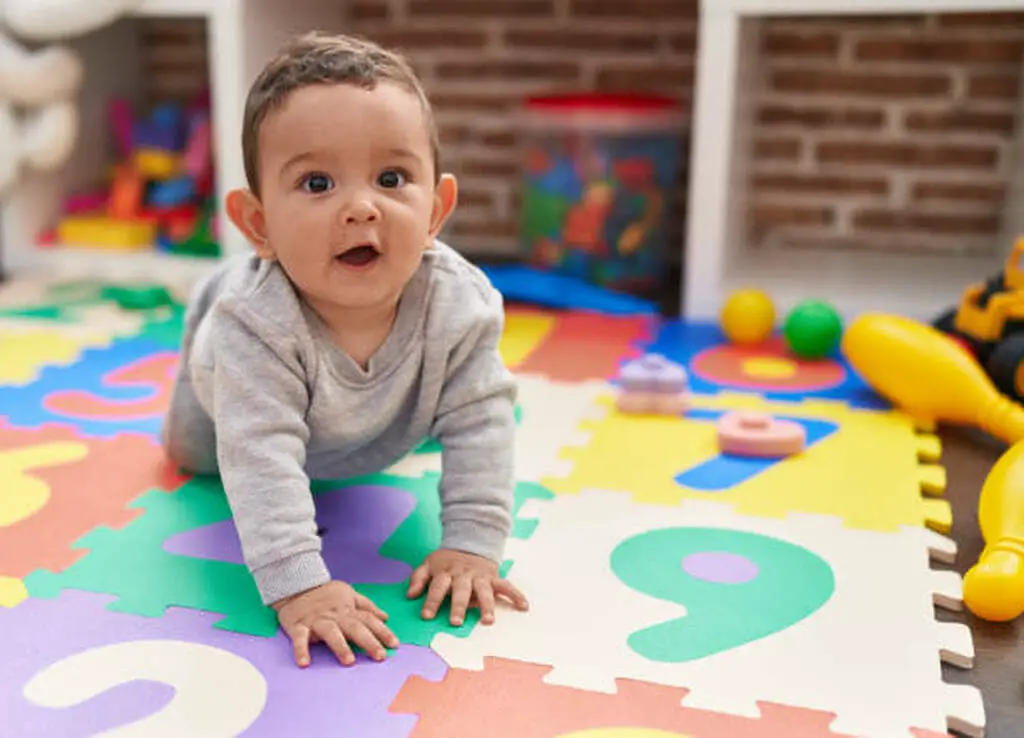
What Is Emotional Development in Toddlers?
Emotional development is the process through which toddlers learn to recognize, express, understand, and manage their emotions while building meaningful relationships with the people around them. Between 12 and 36 months, children experience remarkable emotional growth as their brains rapidly develop and they gain new language, social, and cognitive skills.
Unlike physical milestones that are often easy to observe, emotional development happens gradually through everyday interactions. A toddler who seeks comfort after falling, smiles proudly after completing a simple task, or offers a toy to a friend is demonstrating important emotional skills that will continue to evolve throughout childhood.
Several key components make up healthy emotional development.
Emotional Awareness
Toddlers begin recognizing their own feelings before they can describe them with words. At first, emotions are expressed through crying, laughing, or body language. As vocabulary expands, children gradually learn to identify feelings such as happiness, sadness, fear, excitement, and anger.
Emotional Regulation
One of the biggest developmental challenges during the toddler years is learning to manage strong emotions. Young children naturally experience frustration when they cannot communicate their needs or achieve what they want. Over time, they begin developing self-soothing strategies, especially with consistent support from caring adults.
Secure Attachment
A strong emotional bond with parents or caregivers provides toddlers with a sense of safety and trust. Children who experience responsive, nurturing care are generally more confident exploring new environments because they know they can return to a trusted adult for comfort.
Empathy and Social Understanding
During the second and third years of life, toddlers gradually become aware that other people have feelings too. They may comfort a crying friend, imitate caring behaviors they observe at home, or express concern when someone appears upset. These early acts of empathy lay the foundation for healthy relationships later in life.
Growing Independence
As toddlers mature, they begin balancing their desire for independence with their need for reassurance. Statements such as “I do it myself” often reflect healthy emotional growth as children develop confidence in their own abilities while still relying on caregivers for guidance and emotional support.
Healthy emotional development does not mean children never experience tantrums or emotional outbursts. Instead, it means they are gradually learning the skills needed to understand their emotions, communicate their needs, and recover from difficult feelings with appropriate support.
Why Emotional Development Milestones Matter
Emotional milestones are more than developmental checkpoints. They provide valuable insight into how children are learning to navigate relationships, respond to challenges, and build the skills they will rely on throughout life. Understanding these milestones allows parents to celebrate progress while recognizing opportunities to provide additional support.
Builds Strong Relationships
Toddlers who develop secure emotional attachments are more likely to trust caregivers, form healthy friendships, and communicate openly as they grow older. Responsive interactions during the early years strengthen the parent-child relationship and foster emotional security.
Supports Communication
Before children can fully express themselves with language, emotions often become their primary form of communication. As emotional skills improve, toddlers become better at using words to describe their feelings instead of relying solely on crying, screaming, or physical behaviors.
Encourages Emotional Regulation
Learning to calm down after disappointment or frustration is a gradual process. Emotional milestones help parents understand what level of self-control is developmentally appropriate and how to teach healthy coping strategies through modeling, patience, and consistent routines.
Promotes School Readiness
Children who can follow simple instructions, cooperate with others, share attention, and manage basic emotions often adapt more easily to preschool and other group learning environments. Emotional competence supports both academic success and positive peer relationships.
Develops Resilience
Everyday experiences, including minor disappointments, disagreements, and new challenges, help toddlers develop resilience when supported by caring adults. Children learn that difficult emotions are temporary and that problems can often be solved with guidance and persistence.
Strengthens Emotional Intelligence
Emotional intelligence includes recognizing emotions, understanding how feelings influence behavior, and responding appropriately to others. These skills begin developing in the toddler years and continue expanding throughout childhood and adolescence.
By understanding emotional development milestones, parents can respond with realistic expectations, provide age-appropriate support, and create an environment where children feel safe to explore, learn, and grow emotionally.
Toddler Emotional Development Milestones by Age
Understanding emotional milestones by age helps parents recognize how their toddler’s emotional abilities typically evolve during the first three years of life. While every child develops at their own pace, the following milestones provide a general roadmap of healthy emotional growth.
Emotional Milestones at 12 Months
By their first birthday, most toddlers have formed strong emotional bonds with familiar caregivers. They often smile, laugh, and show affection through hugs or cuddles. At the same time, many begin displaying stranger anxiety or become upset when separated from a parent. These reactions are normal signs of secure attachment.
Twelve-month-olds also begin using caregivers as a source of reassurance. For example, they may look toward a parent before approaching an unfamiliar person or exploring a new environment, a behavior known as social referencing.
Parent Tips
Respond consistently to your child’s emotional needs, maintain predictable routines, and encourage exploration while remaining a reliable source of comfort and security.
Emotional Milestones at 18 Months
Around 18 months, toddlers become more independent while experiencing increasingly intense emotions. Frustration often leads to tantrums because language skills are still developing faster than emotional regulation. Children frequently seek comfort after becoming upset and may begin using simple words to express basic feelings.
Early signs of empathy may also emerge. A toddler might offer a favorite toy to someone who appears sad or imitate comforting behaviors observed from adults.
Parent Tips
Acknowledge your toddler’s feelings, remain calm during emotional outbursts, and use simple language to label emotions such as happy, sad, angry, or scared.
Emotional Milestones at 24 Months
By age two, emotional awareness becomes noticeably more sophisticated. Many toddlers can identify several emotions, engage in imaginative pretend play, and express affection in more intentional ways. Although tantrums may still occur, some children begin recovering from disappointment more quickly with adult support.
Two-year-olds also test boundaries as they develop independence. Learning to share, take turns, and cooperate remains challenging but gradually improves through repeated practice.
Parent Tips
Encourage pretend play, read stories about emotions, praise positive behavior, and provide consistent limits while validating your child’s feelings. These everyday interactions help strengthen emotional regulation and build confidence.
Emotional Milestones at 30 Months
By 30 months, many toddlers show noticeable progress in emotional regulation and social awareness. Although emotional outbursts can still happen, they are often shorter and less intense than they were a few months earlier. Children begin recognizing that different situations create different emotions, and they are becoming better at expressing how they feel using words instead of behavior alone.
At this stage, toddlers often demonstrate greater patience when faced with small frustrations. They may wait briefly for their turn, accept simple explanations, or recover more quickly after disappointment with reassurance from a trusted adult. Their growing language skills play a significant role in helping them communicate needs before frustration escalates.
Empathy also becomes more visible. A 30 month old may notice when another child is upset, offer a hug, share a favorite toy, or ask whether someone is okay. While these responses are still developing, they represent important milestones in emotional intelligence.
Imaginative play continues to expand. Toddlers often act out emotions through pretend games, caring for dolls, comforting stuffed animals, or recreating everyday family situations. This type of play allows children to process emotions, practice problem solving, and explore different social roles in a safe environment.
Simple conflicts with siblings or peers become opportunities to learn cooperation. Although adult guidance is still necessary, many toddlers can begin practicing basic conflict resolution skills such as using words, taking turns, and apologizing after hurting someone’s feelings.
Parent Tips
Encourage your toddler to talk about emotions throughout the day instead of only during difficult moments. Read books that discuss feelings, model calm problem solving, praise acts of kindness, and provide opportunities for cooperative play with other children. These experiences strengthen emotional awareness and build confidence in social situations.
Emotional Milestones at 36 Months
By the age of three, toddlers have developed a much broader understanding of emotions than they had just one year earlier. While they still rely on adults for guidance, many three year olds can identify a wide range of feelings, communicate their emotions more clearly, and respond to the emotions of others with increasing empathy.
Most children at this age enjoy interacting with peers and begin forming early friendships. They may cooperate during games, share toys more willingly, and participate in simple group activities. Although disagreements remain common, many children are becoming capable of resolving minor conflicts with gentle adult support.
Emotional regulation also improves significantly. A three year old is often able to recover from disappointment more quickly, follow simple calming strategies, and understand that emotions change over time. Instead of immediately reacting with tears or anger, they may seek comfort, ask for help, or use words to explain what upset them.
Growing independence is another hallmark of this stage. Children frequently express pride in completing tasks on their own, making choices, and helping with simple household responsibilities. Successfully mastering these everyday challenges contributes to healthy self esteem and emotional resilience.
Three year olds also become better at recognizing that other people may have different feelings, preferences, and perspectives. This growing understanding supports more meaningful friendships and lays the groundwork for future emotional intelligence.
Parent Tips
Continue encouraging conversations about emotions by asking open ended questions such as, “How did that make you feel?” or “What do you think your friend was feeling?” Celebrate effort rather than perfection, provide consistent routines, and model healthy ways of coping with stress. Your own emotional responses remain one of your child’s most powerful learning tools.
Toddler Emotional Development Milestones by Age: Quick Reference Table
The following table summarizes the most common emotional development milestones between 12 and 36 months. Remember that every child develops at a unique pace, so these milestones should be viewed as general guidelines rather than strict expectations.
| Age | Typical Emotional Milestones | How Parents Can Help |
|---|---|---|
| 12 Months | Shows affection toward familiar caregivers, experiences stranger anxiety, seeks comfort when upset, expresses joy and frustration, begins social referencing | Respond consistently to emotional needs, establish predictable routines, encourage exploration while providing reassurance |
| 18 Months | Displays strong emotions, experiences frequent tantrums, seeks comfort after distress, begins naming simple feelings, shows early empathy | Label emotions, remain calm during tantrums, offer choices to encourage independence, provide comfort without dismissing feelings |
| 24 Months | Expands emotional vocabulary, engages in pretend play, tests boundaries, begins sharing with support, recovers from frustration more easily | Read books about emotions, encourage imaginative play, maintain consistent rules, praise positive behavior and emotional expression |
| 30 Months | Demonstrates improved self control, recognizes emotions in others, cooperates more often, develops stronger empathy, begins resolving simple conflicts | Practice turn taking, encourage cooperative games, discuss emotions during everyday activities, model respectful communication |
| 36 Months | Understands more complex emotions, forms friendships, manages disappointment more effectively, shows greater independence, practices emotional problem solving | Encourage emotional conversations, support friendships, teach simple coping strategies, reinforce kindness, patience, and resilience |
This table provides a practical overview of toddler emotional development milestones by age, making it easier for parents and caregivers to monitor progress while appreciating that healthy emotional growth occurs gradually through everyday experiences, supportive relationships, and consistent guidance.
Factors That Influence Emotional Development
Every toddler follows a unique developmental path. While toddler emotional development milestones by age provide helpful benchmarks, a child’s emotional growth is shaped by a combination of biological, environmental, and social factors. Understanding these influences helps parents focus on creating supportive experiences rather than comparing their child with others.
Genetics and Temperament
Some children are naturally calm and adaptable, while others are more cautious, sensitive, or emotionally expressive. These inborn temperament traits influence how toddlers respond to new experiences, manage frustration, and interact with others. A highly sensitive toddler may need additional reassurance, whereas a more adventurous child may confidently explore unfamiliar situations.
Secure Attachment
A secure relationship with parents or primary caregivers is one of the strongest predictors of healthy emotional development. When caregivers respond consistently and warmly to a toddler’s needs, children learn that the world is safe and that their emotions matter. This sense of security encourages confidence, curiosity, and resilience.
Parenting Style
Children benefit from caregivers who combine warmth with clear expectations. Parents who acknowledge emotions while setting consistent boundaries help toddlers develop emotional regulation and self-control. In contrast, harsh discipline or inconsistent responses may make it more difficult for children to understand and manage their emotions effectively.
Language Development
As vocabulary grows, toddlers become better able to describe feelings instead of expressing them only through behavior. Learning words such as “happy,” “frustrated,” “worried,” and “excited” enables children to communicate emotions more clearly and seek help when needed.
Sleep and Physical Health
Adequate sleep plays a critical role in emotional regulation. Overtired toddlers often have greater difficulty managing frustration, paying attention, and recovering from disappointment. A balanced diet, regular physical activity, and good overall health also support healthy brain development and emotional well-being.
Opportunities for Play
Play is one of the most effective ways toddlers learn emotional skills. Pretend games, cooperative activities, and imaginative storytelling allow children to practice empathy, problem-solving, communication, and self-expression in enjoyable and meaningful ways.
Family and Childcare Environment
A stable, nurturing environment helps toddlers feel emotionally secure. Positive relationships with parents, siblings, grandparents, teachers, and caregivers provide valuable opportunities to observe healthy emotional behaviors and develop social confidence.
Although parents cannot control every factor that influences development, providing a loving, responsive, and predictable environment gives toddlers an excellent foundation for lifelong emotional health.
Activities That Encourage Emotional Growth
Supporting emotional development does not require expensive educational toys or structured lessons. The most meaningful learning opportunities often happen during ordinary daily interactions. By intentionally incorporating simple activities into your routine, you can help your toddler build confidence, empathy, emotional vocabulary, and self-regulation skills.
Read Books About Feelings
Picture books that explore emotions help toddlers recognize different facial expressions, understand situations that trigger feelings, and learn appropriate ways to respond. Pause while reading to ask questions such as, “How do you think the character feels?” or “What would make them feel better?”
Practice Pretend Play
Role-playing with dolls, stuffed animals, or toy figures encourages children to explore emotions through imagination. Pretending that a toy is sad, scared, or excited allows toddlers to practice empathy and problem-solving in a safe, creative setting.
Name Emotions Throughout the Day
One of the easiest ways to strengthen emotional intelligence is to consistently label emotions during everyday experiences. Instead of simply saying, “You’re okay,” try phrases like, “You seem disappointed because playtime is over,” or “You look excited to visit Grandma today.”
Create Calm Down Routines
Teach simple calming techniques that toddlers can gradually learn to use with support. Taking slow breaths together, counting to five, hugging a favorite stuffed animal, or sitting quietly in a cozy reading corner can help children recover from strong emotions.
Encourage Cooperative Play
Activities that involve taking turns, sharing materials, or working toward a common goal teach important social and emotional skills. Building blocks together, completing simple puzzles, or participating in group games help toddlers practice patience, communication, and teamwork.
Use Music and Movement
Singing songs, dancing, and listening to calming music give children healthy outlets for emotional expression. Music can also help toddlers transition between activities and manage daily routines with less stress.
Model Healthy Emotional Behavior
Children learn by observing adults. When parents calmly express their own feelings, apologize after mistakes, and demonstrate respectful problem-solving, toddlers begin developing these same emotional habits.
Consistent, positive interactions throughout the day gradually build the emotional skills that children will continue using throughout childhood and beyond.
Signs That May Require Professional Advice
Every child develops at an individual pace, and it is perfectly normal for toddlers to reach emotional milestones slightly earlier or later than their peers. Developmental milestone charts are designed to serve as general guidelines rather than strict rules. However, persistent difficulties with emotional or social development may sometimes indicate that additional evaluation would be beneficial.
Parents may consider discussing concerns with a pediatrician or a qualified child development professional if they consistently observe several of the following behaviors over time.
Limited Emotional Expression
A toddler rarely smiles, laughs, shows affection, or expresses a variety of emotions during everyday interactions with familiar caregivers.
Little Interest in Social Interaction
The child consistently avoids eye contact, shows minimal interest in engaging with family members, or does not seek comfort from trusted adults when upset.
Difficulty Forming Attachments
A toddler appears emotionally disconnected from primary caregivers or shows little preference for familiar adults compared with strangers.
No Pretend Play by Around Age Two
Imaginative play is an important developmental milestone. A lack of pretend play by approximately 24 months may warrant further discussion with a healthcare professional, particularly when accompanied by other developmental concerns.
Persistent Difficulty Being Comforted
Although tantrums are common during the toddler years, children typically become calmer with reassurance, physical comfort, or time. A toddler who remains extremely distressed for prolonged periods despite consistent support may benefit from further assessment.
Loss of Previously Acquired Skills
Parents should seek prompt medical advice if a child loses emotional, social, communication, or developmental skills that were previously well established. Developmental regression should always be evaluated by a qualified healthcare provider.
It is important to remember that the presence of one or two concerns does not necessarily indicate a developmental disorder. Many factors can temporarily influence a child’s behavior, including illness, stress, changes in routine, or major life transitions. When parents have ongoing concerns, early conversations with a pediatrician can provide reassurance, identify potential developmental needs, and connect families with appropriate support services if necessary. Early evaluation allows children to receive timely guidance while avoiding unnecessary worry or delay.
Frequently Asked Questions
Is it normal for toddlers to have tantrums every day?
Yes. Frequent tantrums are a normal part of toddler development, especially between 18 and 36 months. At this age, children experience strong emotions but have limited language and self-regulation skills to express them appropriately.
Tantrums often occur when toddlers are tired, hungry, overstimulated, or frustrated because they cannot communicate what they want. While daily tantrums can be challenging, they usually become less frequent as children develop better emotional regulation and communication abilities.
Parents can help by remaining calm, acknowledging their child’s feelings, maintaining consistent routines, and teaching simple coping strategies rather than reacting with punishment.
At what age do toddlers begin developing empathy?
Early signs of empathy often appear around 18 months. A toddler may offer a toy to someone who is crying, pat a family member on the back, or imitate comforting behaviors they have observed from adults.
Between 24 and 36 months, empathy becomes more intentional. Children begin recognizing that other people have emotions different from their own and may actively try to comfort friends or family members when they appear upset.
Empathy continues developing throughout childhood as language, perspective-taking, and social experiences become more advanced.
What emotional milestones should a 2-year-old reach?
By approximately 24 months, many toddlers can:
- Express a wider range of emotions.
- Begin naming basic feelings.
- Participate in pretend play.
- Show affection toward familiar people.
- Recover from frustration more quickly with support.
- Demonstrate early empathy.
- Test boundaries while developing independence.
- Begin learning to share and cooperate.
Remember that every child develops differently, and slight variations are completely normal.
How can parents help toddlers regulate their emotions?
Parents play the most important role in teaching emotional regulation. Effective strategies include:
- Naming emotions during everyday situations.
- Maintaining predictable daily routines.
- Reading books about feelings.
- Practicing deep breathing together.
- Providing comfort during emotional moments.
- Modeling calm behavior.
- Praising positive emotional expression.
- Encouraging problem-solving instead of immediately fixing every challenge.
Children learn emotional regulation gradually through repeated experiences with supportive adults.
When should parents be concerned about emotional development?
Parents should consider speaking with their pediatrician if they notice persistent concerns such as:
- Limited emotional expression.
- Little interest in interacting with caregivers.
- Lack of eye contact.
- No pretend play by around age two.
- Extreme difficulty being comforted.
- Loss of previously acquired emotional or social skills.
In many cases, these behaviors may have explanations unrelated to a developmental disorder. However, discussing concerns early allows professionals to provide reassurance, monitor progress, or recommend further evaluation if appropriate.
Conclusion
Understanding toddler emotional development milestones by age empowers parents to support one of the most important aspects of their child’s overall development. From the first signs of attachment at 12 months to the growing empathy and emotional problem-solving skills seen around age three, each stage represents meaningful progress toward lifelong emotional well-being.
It is important to remember that emotional development is not a race. Every toddler has a unique personality, temperament, and learning pace. Some children naturally express emotions openly, while others take more time to build confidence in unfamiliar situations. Developmental milestones should serve as helpful guidelines rather than strict expectations.
Parents can make a lasting difference by creating a loving, responsive, and predictable environment where children feel safe to explore their emotions. Everyday activities such as reading together, talking about feelings, engaging in imaginative play, and modeling healthy emotional behavior provide countless opportunities for learning. These simple interactions help children develop emotional intelligence, resilience, empathy, and positive relationships that extend far beyond the toddler years.
If concerns about emotional development persist or your child appears to lose previously acquired skills, do not hesitate to seek advice from a pediatrician or qualified child development professional. Early conversations can provide reassurance, identify potential developmental needs, and connect families with appropriate support when necessary.
By focusing on progress rather than perfection, celebrating small achievements, and responding with patience and understanding, you can help your toddler build a strong emotional foundation that supports lifelong learning, healthy relationships, and overall well-being.
References
The information presented in this guide is based on evidence-informed recommendations and developmental guidance from reputable pediatric and child development organizations. For the most up-to-date information, consult the following resources:
- American Academy of Pediatrics (AAP). HealthyChildren.org. Developmental milestones, emotional health, and positive parenting resources.
- Centers for Disease Control and Prevention (CDC). Learn the Signs. Act Early. Developmental Milestones.
- World Health Organization (WHO). Nurturing Care for Early Childhood Development.
- ZERO TO THREE. Resources on infant and toddler social-emotional development.
- National Institute of Child Health and Human Development (NICHD). Early childhood development research and developmental guidance.
- Harvard University Center on the Developing Child. Research on early brain development, responsive caregiving, and emotional resilience.